
WHO Africa director warns underestimating Ebola risk is dangerous; one case could spread beyond DRC and Uganda
Two children of an American Ebola patient look through a window at their father in the isolation ward at the Charite hospital in Berlin, Germany, May 21, 2026. Charite/Handout via REUTERS
The World Health Organisation (WHO) has raised the risk of the Bundibugyo strain of Ebola turning into a national outbreak in the Democratic Republic of Congo (DRC) to “very high”.
The strain, for which there is no approved vaccine or treatment, was declared an emergency of international concern by the WHO on Sunday.
“We are now revising our risk assessment to very high at the national level, high at the regional level, and low at global level,” WHO Chief Tedros Adhanom Ghebreyesus told reporters.
So far, 82 cases have been confirmed in Congo, with seven confirmed deaths, 177 suspected deaths and almost 750 suspected cases.
The situation in Uganda is stable, with two cases confirmed in people who travelled from the DRC, one of them fatal, Tedros said.
Read More: DR Congo Ebola risk high regionally, low worldwide: WHO
“The potential of this virus spreading rapidly is high, very high, and that changed the whole dynamic,” said WHO Director of Health Emergency Alert & Response Operations Abdirahman Mahamud.
Measures taken in Uganda, including intense contact tracing and cancellation of a mass gathering, appear to have been effective in stemming the spread of the virus, Tedros said.
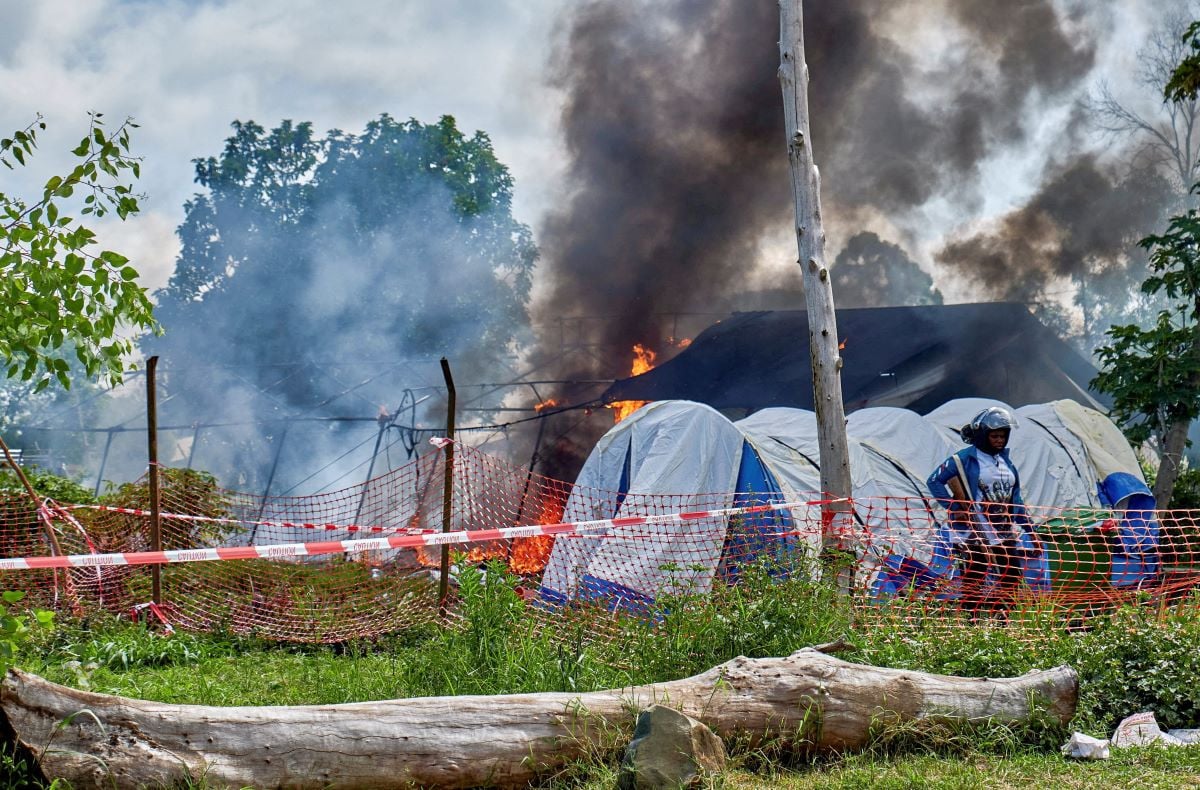
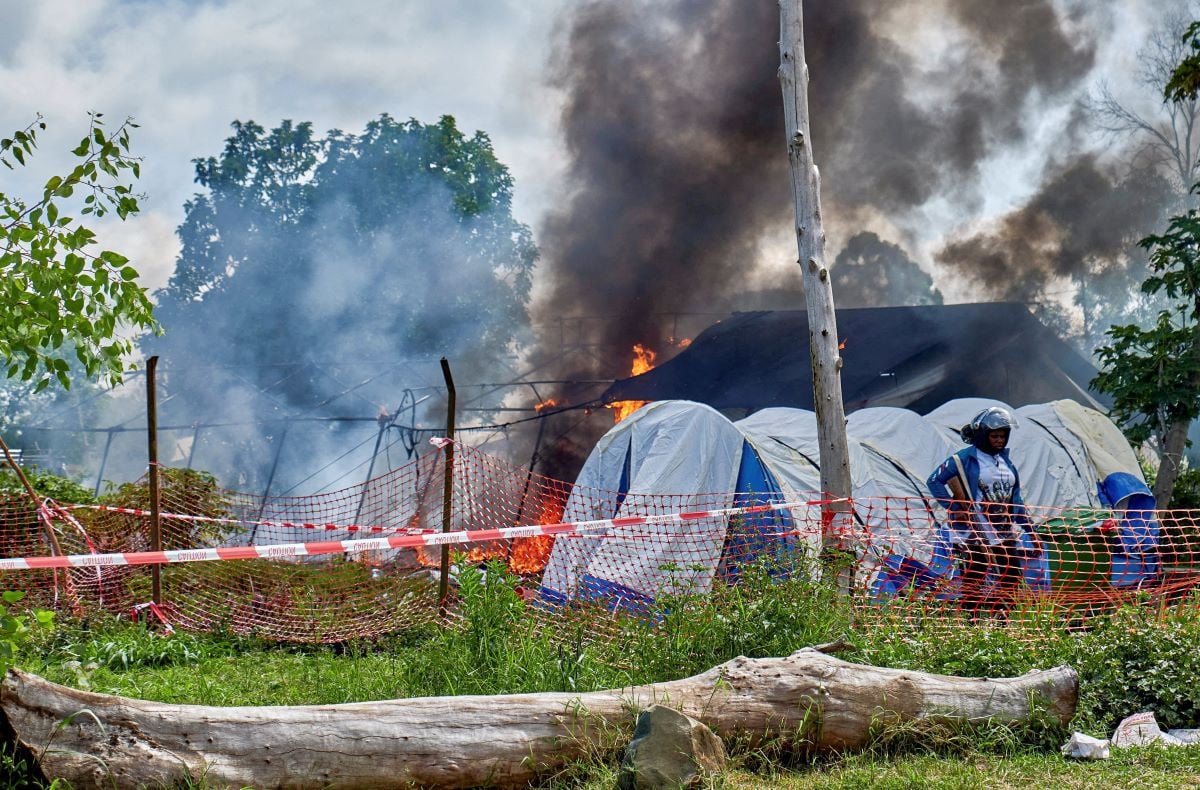
A Congolese police personnel stands guard at the burning Ebola treatment center, as aid agencies intensify efforts to contain a new Ebola outbreak involving the Bundibugyo strain outbreak, in Rwampara general hospital in Rwampara outside Bunia, Ituri province, Democratic Republic of Congo, May 21, 2026. REUTERS/Gradel Muyisa Mumbere/File Photo
A US national who was working in Congo has been confirmed positive and transferred to Germany for care.
“We are also aware of reports today about another American national with a high-risk contact who has been transferred to the Czech Republic,” Tedros added.
The WHO’s chief scientist, Sylvie Briand, said an antiviral treatment called Obeldesivir could be used among Ebola contacts to prevent them from developing the disease.
Obeldesivir is an experimental oral COVID-19 antiviral drug from Gilead Sciences.
Also Read: Congo Ebola deaths rise to 131
“This is a promising treatment drug, but it has still to be implemented under a very, very strict protocol,” Briand said.
WHO Africa head warns against underestimating risk
It would be a mistake to underestimate the risk posed by the Ebola outbreak, the WHO regional director for Africa said, warning that just one case could spread the virus beyond the DRC and Uganda.
“It would be a big mistake to underestimate it, especially with a virus with this strain, Bundibugyo, [for] which we don’t have the vaccine,” Mohamed Yakub Janabi said in an interview at WHO headquarters in Geneva.
“So I would really encourage everyone, let’s help each other, we can bring this thing into control,” he said.
He added that the outbreak of Ebola in Congo has had relatively little global attention compared with this month’s hantavirus outbreak, which affected cruise ship passengers from 23 countries, including major powers.
“You just need one contact case to put all of us at risk, so my wish and prayer is that we should give [Ebola] the attention it deserves,” he said.
Ebola is an often-fatal virus that causes fever, body aches, vomiting and diarrhoea. It spreads through direct contact with the bodily fluids of infected people, contaminated materials or people who have died from the disease.
Janabi declined to comment on the expected duration and scale of the current outbreak, saying experts on the ground were in the process of assessing this.
The “hyperdynamic movement of the people” made it hard to gauge the situation, he said, adding that efforts to scale up testing, infection prevention measures and community engagement were underway.
A dispute over a victim’s body that led to the burning of Ebola treatment tents pointed to the importance of building trust, he said.
“We are trying to fight both frontiers,” he said, referring to the virus itself and misinformation about the illness circulating within the local population.
Another challenge was that epidemiologists have yet to find the initial person infected, he added, saying this was important for identifying and isolating the initial web of contacts.

