
Move threatens court’s operations, the Netherlands, Canada, Japan express support for tribunal
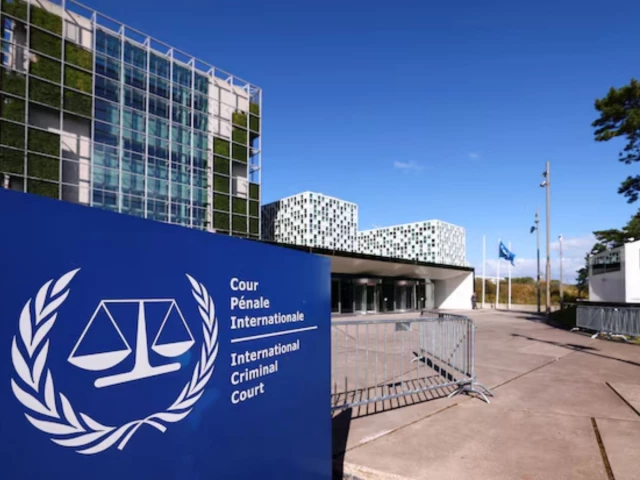
The International Criminal Court (ICC) in The Hague, Netherlands. Established by the 1998 Rome Statute, it serves as a court of last resort, meaning it only steps in when national courts cannot or will not act. Photo: REUTERS/file
WASHINGTON:
The United States imposed sweeping sanctions on the International Criminal Court (ICC) on Friday, threatening its access to financial services and technology, as the tribunal condemned the move as an assault on international law and urged its 125 member states to defend its independence.
The announcement by Washington came hours after former ICC judge Navi Pillay won the Nobel Peace Prize, with the award committee citing political attacks on international legal institutions. The sanctions risk deepening tensions between Washington and European allies that strongly support the court.
Secretary of State Marco Rubio said the measures were intended to prevent the ICC from prosecuting Americans, describing the tribunal as a “rogue court” and accusing it of threatening US interests. He said the US would ban transactions with the institution, cutting off resources and crippling its ability to operate.
The US Treasury announced an initial six-month grace period, alongside exemptions allowing certain transactions involving telecommunications, software, pension payments and detainees. Rubio said the measures had been structured to give the court and its member states time to address Washington’s concerns, adding that the sanctions could be adjusted if those demands were not met.
The United States has repeatedly criticised the ICC over arrest warrants issued against Israeli officials, including Prime Minister Benjamin Netanyahu, and an earlier investigation into alleged crimes by US personnel in Afghanistan. The court says that investigation has been deprioritised.
ICC Deputy Prosecutor Nazhat Shameem Khan told Reuters that the sanctions were intended to undermine international rule of law and the work of an independent judicial institution. She said the court’s investigations, prosecutions and other activities would continue.
The sanctions extend beyond earlier US measures targeting individual ICC prosecutors and judges, potentially exposing companies providing services to the court to penalties. Such restrictions could disrupt banking, insurance, credit card facilities and technology services, particularly given the institution’s reliance on American systems.
ICC officials have already begun preparing for the possibility of wider restrictions, including shifting office computers from Microsoft software to open-source alternatives and making new banking and health insurance arrangements. The measures could also complicate staff payments, overseas investigations, witness protection and the operation of detention facilities.
Canada, Denmark, France, Germany, Italy, the Netherlands, Japan and Britain jointly expressed support for the tribunal, saying they regretted and strongly disagreed with Washington’s announcement.
Dutch Prime Minister Rob Jetten called the sanctions deeply regrettable but urged dialogue, saying the six-month period before they take effect offered vital space for negotiations. The Netherlands, as host country, has a particular responsibility to protect the court’s operations and staff.
Jetten said his government would continue diplomatic efforts to find a solution with Washington and other parties, stressing the ICC’s importance to the international legal order.

