


The stunning loss of the longstanding OPEC member could create disarray and weaken the group
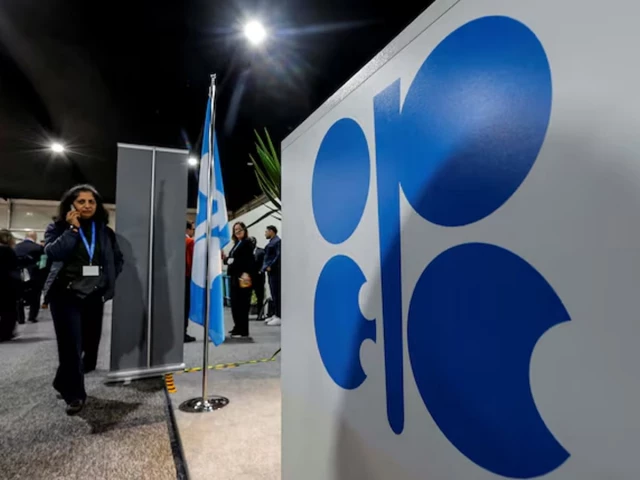
A woman passes by a logo of Organization of the Petroleum Exporting Countries (OPEC) during the United Nations climate change conference COP29, in Baku, Azerbaijan November 13, 2024. Photo: Reuters
The United Arab Emirates said on Tuesday it quit the Organisation of the Petroleum Exporting Countries (OPEC) and OPEC+, dealing a heavy blow to the oil-exporting groups and their de facto leader, Saudi Arabia, at a time when the Iran war has caused a historic energy shock and unsettled the global economy.
The stunning loss of the UAE, a longstanding OPEC member, could create disarray and weaken the group, which has usually sought to present a united front despite internal disagreements over issues ranging from geopolitics to production quotas.
OPEC Gulf producers have already been struggling to ship exports through the Strait of Hormuz, a narrow chokepoint between Iran and Oman through which a fifth of the world’s crude oil and liquefied natural gas normally passes, because of Iranian threats and attacks against vessels.
But the UAE exit from OPEC represents a big win for United States President Donald Trump, who has accused the organisation of “ripping off the rest of the world” by inflating oil prices.
Trump has also linked US military support for the Gulf with oil prices, saying that while the US defends OPEC members, they “exploit this by imposing high oil prices”.
The move came after the UAE, a regional business hub and one of Washington’s most important allies, criticised fellow Arab states for not doing enough to protect it from numerous Iranian attacks during the war.
Anwar Gargash, the diplomatic adviser for the UAE president, criticised the Arab and Gulf response to the Iranian attacks in a session at the Gulf Influencers Forum on Monday.
“The Gulf Cooperation Council countries supported each other logistically, but politically and militarily, I think their position has been the weakest historically,” Gargash said.
“I expect this weak stance from the Arab League and I am not surprised by it, but I haven’t expected it from the [Gulf] Cooperation Council and I am surprised by it,” he said.