ISLAMABAD:
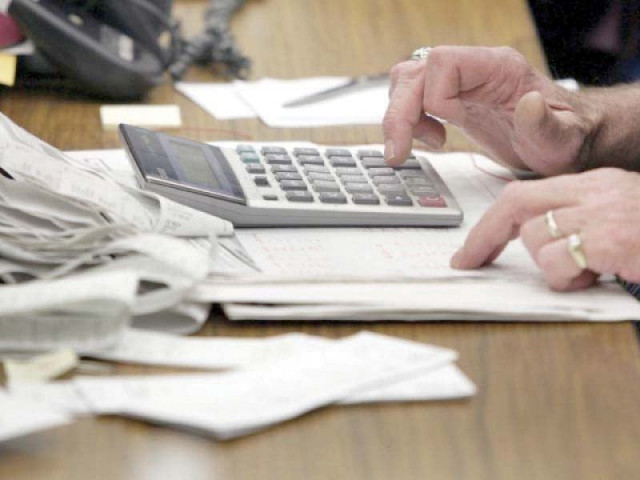
Pakistan’s struggling salaried class paid Rs420 billion in income tax in just nine months of this fiscal year, while the real estate sector contributed Rs197 billion despite overall sluggish activity during the past two years, according to provisional data compiled by the Federal Board of Revenue (FBR).
The salaried class’s economic hardships have heightened, as on one hand it is forced to cough up higher taxes, and on the other it is facing the brunt of an increase in petrol prices and other household expenses due to the Middle East conflict.
According to provisional data compiled by the FBR, salaried individuals paid Rs420 billion in income tax during the July-March period of the current fiscal year. This was Rs29 billion, or 7.5%, more than the already higher base of Rs391 billion recorded in the same period of the last fiscal year.
Tax contributions by salaried persons in both the public and private sectors remained more than double the taxes paid by the real estate sector during the same period, according to provisional figures.
The Rs420 billion income tax payments by salaried individuals were exclusive of book adjustments. They were also exclusive of payments that a few contractual employees made under Section 153-b of the income tax law, the sources added.
The salaried class pays about 38% of its gross income in taxes, which is significantly higher compared with regional countries and relative to the real estate sector and retailers. The government has also cut two days’ salary a month from its employees to pay for fuel subsidies.
The details showed that non-corporate sector employees paid the highest amount of Rs187 billion in income taxes, up 12% from last year. Corporate sector employees paid Rs134 billion, also 15% higher than last year.
Provincial government employees paid Rs59 billion in income taxes, which was 14% less than last year, marking the fourth consecutive month when income tax contributions from provincial government employees were reduced. Federal government employees contributed Rs41 billion, an increase of 7% over last year.
The cost of transportation, kitchen and other utilities has started significantly increasing after a surge in petrol and high-speed diesel prices in the aftermath of the Middle East conflict.
The government’s drive to broaden the tax base has not helped much, and it may face resistance from the International Monetary Fund (IMF) to provide any substantial tax relief to the overburdened salaried class.But due to constant pressure, the government increased tax rates on the real estate sector. Yet it could not deepen the base and is mostly relying on upfront withholding tax collection.
The IMF mission is landing in Pakistan by the middle of next month to scrutinise and approve the budget before it is even presented to the National Assembly and the federal cabinet for approval.
The real estate sector is also now facing higher taxes, with increased rates for non-filers and the introduction of a new category for late filers. Withholding tax collections on plot sales rose 62% to Rs137 billion during the first nine months of the fiscal year.
Withholding tax collections on plot purchases fell 16% to Rs61 billion due to a reduction in rates in the budget equal to an increase in the rates on the sale of plots. In the budget, the government had lowered taxes on the purchase of plots but increased the rate on sales.
The government was not able to collect any meaningful tax from the real estate sector on account of gains made on investments in the real estate sector. It collected Rs1.7 billion compared with Rs5 billion in the last fiscal year, also reflecting the harsh ground realities of a slump that the sector was facing during the past two years.
Under a constitutionally questionable levy of deemed income tax, the government could hardly collect Rs1.2 billion. Cumulatively, the government collected Rs197 billion in withholding taxes from the real estate sector during the first nine months of the fiscal year, up 17%.
Prime Minister Shehbaz Sharif has already expressed a desire to abolish the 1% deemed income tax on properties, which has been challenged in courts over its constitutionality.
The government would attempt to reduce withholding taxes on the sale and purchase of properties under Sections 236C and 236K of the Income Tax Ordinance. There is a strong view to reduce the tax rate on the sale of plots from 4.5% to 1.5%. On purchases, there is a proposal to cut the rate from 1.5% to 0.25%, sources added. There is also a proposal to abolish transaction taxes on the first ownership of a home or plot of up to one kanal. Another proposal suggests treating housing loan instalments as an expense instead of part of income to reduce the tax burden. These proposals would be discussed with the IMF next month.
Source link