




PUBLISHED
June 28, 2026
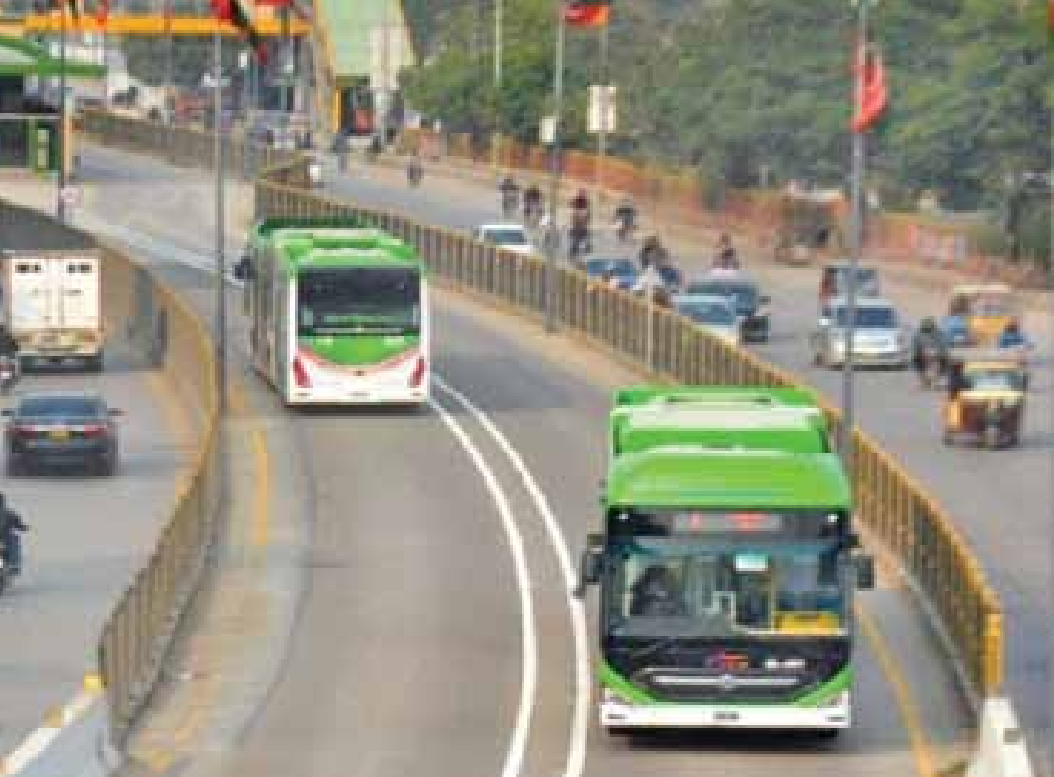
Pakistan’s major cities have witnessed massive investment in public transport infrastructure over the past decade, with governments introducing Bus Rapid Transit (BRT) systems, metro buses, metro trains and electric buses in an effort to modernise urban mobility. These projects were launched with the promise of reducing traffic congestion, providing affordable transportation, and encouraging citizens to shift away from private vehicles.
However, despite billions of rupees spent on these systems, a major challenge continues to limit their effectiveness: the inability of many commuters to easily reach transport stations and begin their journeys. Transport experts describe this as the “first-mile and last-mile” problem — the gap between a person’s home and a transport station, and the distance between a station and their final destination.
While major corridors have improved mobility for thousands of passengers, many residents living outside these routes continue to depend on rickshaws, private vehicles or long walks to access public transport. Experts argue that without integrated feeder routes, pedestrian infrastructure and neighbourhood-level connectivity, even the most advanced transport systems remain incomplete.
Across Peshawar, Lahore and Karachi, commuters concur that modern transport projects have improved travel along main routes but have failed to fully address the daily struggles faced by people living away from these corridors. Students, workers, women and low-income residents are among those who continue to bear the burden of additional travel costs and longer commuting times.
Lived experiences from Lahore, Peshawar, and Karachi show that major transport projects require supporting infrastructure, including feeder routes, pedestrian facilities, affordable local transport and better urban planning. Without these connections, many citizens remain physically close to modern transport systems but practically unable to benefit from them.
As governments continue investing billions of rupees in mass transit projects, experts argue that future planning must focus equally on accessibility. Solving the first-mile and last-mile problem, they say, is essential if public transport is to become a genuine alternative for millions of commuters across Pakistan.
Building large transport corridors alone cannot solve urban mobility challenges. The real success of any mass transit system depends on whether citizens can easily reach and use it, access its services without unnecessary barriers, and experience meaningful improvements in their daily lives.
Lahore: Transit beyond reach
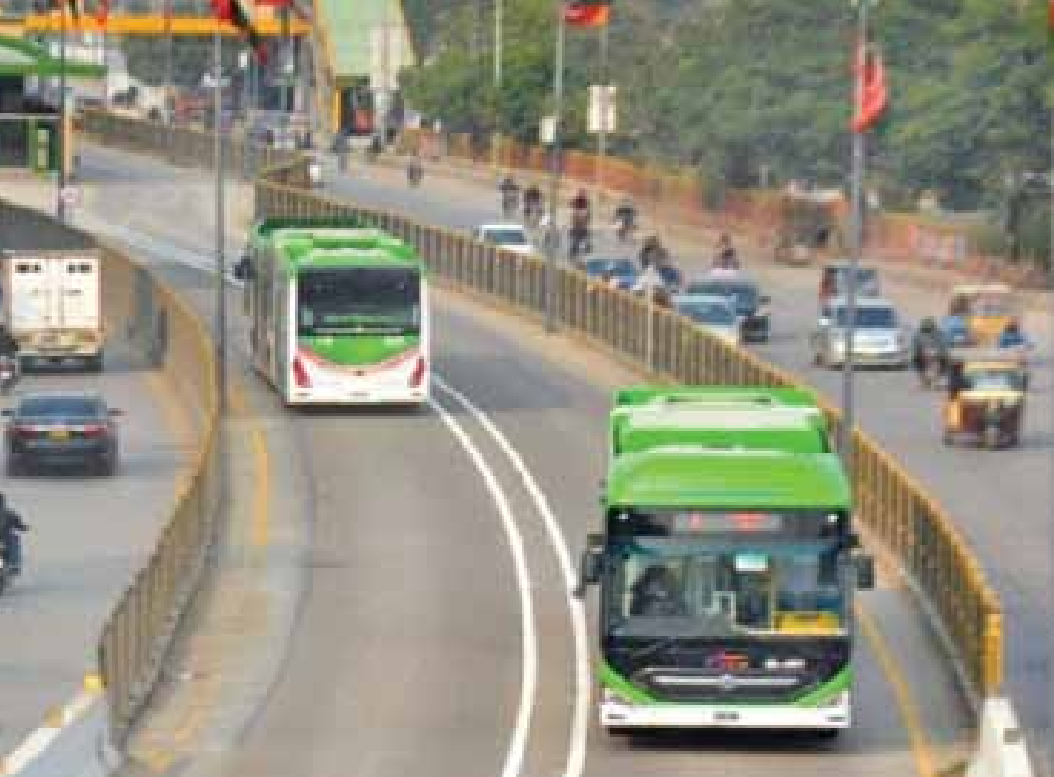
Lahore has developed one of the most extensive public transport networks in Pakistan, including the Orange Line Metro Train, Lahore Metrobus, Speedo buses and electric buses. These projects were introduced to provide affordable and modern transportation to millions of residents. However, many commuters continue to face difficulties before they even reach these systems.
The problem is particularly visible in areas surrounding the Orange Line’s eastern terminal at Dera Gujran. Residents of Manawan, Bata Pur, Jallo Mor, Wagah, Minhala, Nathoki, Chhapa, Bhasin and Dogech often have to use local transport or Qingqi rickshaws before accessing the metro system. For many daily commuters, this additional travel creates an extra financial burden.
Muhammad Arshad, a daily-wage worker from Wagah, revealed that the cost of reaching the Orange Line station sometimes becomes higher than the train fare itself. “For workers who travel every day, these additional expenses significantly increase their monthly transport costs,” said Arshad.
Students also face similar challenges. Ayesha Naveed, a student at the University of the Punjab from Minhala, shared that the lack of direct access to the Orange Line forces her to use rickshaws regularly. “The additional cost increases my educational expenses. Therefore, affordable feeder services are particularly important for female students,” noted Naveed.
Students from Jallo Mor, Manawan and Bata Pur travelling towards educational institutions along GT Road, Baghbanpura and the University of Engineering and Technology also face similar issues. Khadija Asif noted that a Qingqi ride from Jallo Mor to Dera Gujran Station costs around Rs50 before passengers even pay the Orange Line fare.
Likewise, local resident Muhammad Umair believes a proper feeder bus service between Jallo Mor and Dera Gujran could benefit thousands of residents, students and workers who currently depend on informal transport. The problem, however, is not limited to the Orange Line.
Several communities along Bedian Road, including Burki, Hadyara, Bhaini and Lakhodair, remain disconnected from Lahore’s major transport corridors. Residents of these areas rely on private vehicles, wagons and rickshaws to reach the city’s main transport network.
The electric bus service launched along the Canal Road has also improved travel options but accessibility remains a challenge. Maryam Fatima, a student at the University of the Punjab, felt that although the fare is reasonable, she still pays extra rickshaw charges every day to reach the bus stop.
According to Uzair Shah, In-Charge of the Punjab Mass Transit Authority, the government is gradually expanding feeder connectivity. “Around 200 Speedo buses are operating on 21 feeder routes across Lahore, while 40 electric buses are currently running on two routes. Another 300 electric buses are being imported and will be introduced in phases,” said Shah.
Urban planning expert Erum Ashfaq explained that Lahore’s challenge is not the absence of transport infrastructure but the lack of proper access to it. “Successful transport systems worldwide depend on strong feeder networks, safe pedestrian pathways and cycling facilities. Unless suburban and low-income communities are connected with major transport corridors, the benefits of large public investments will remain limited,” urged Ashfaq.
Peshawar: BRT’s unfinished journey
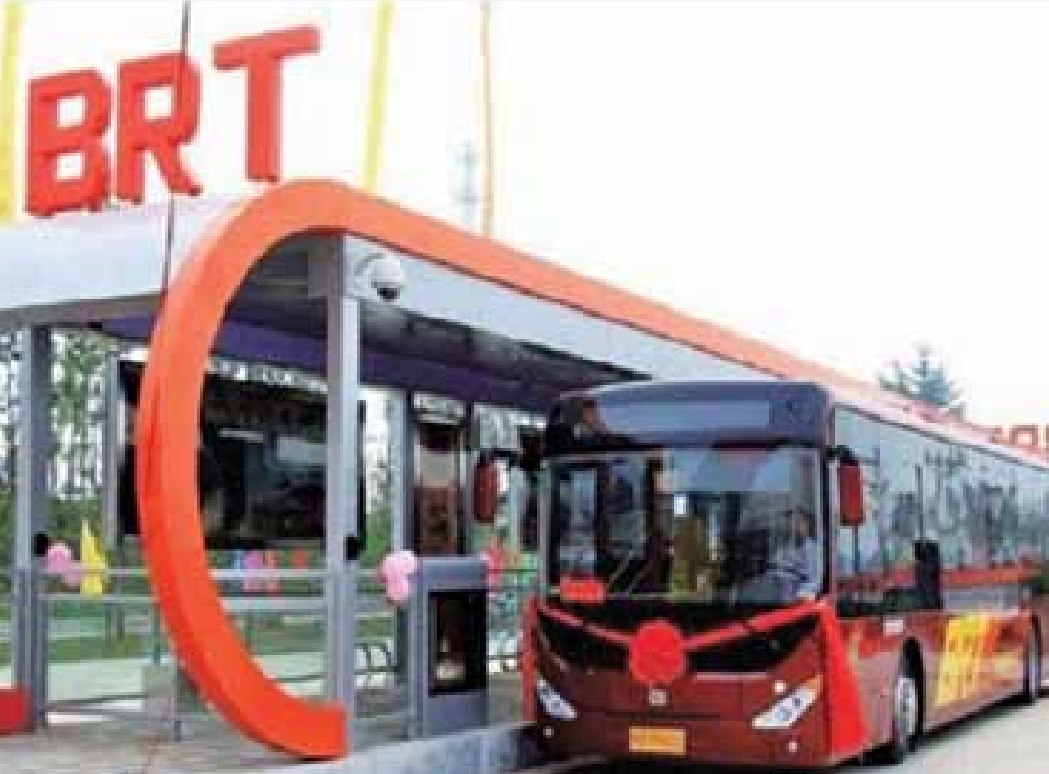
Launched in August 2020, Peshawar’s Bus Rapid Transit system was introduced as a flagship transport project of the Pakistan Tehreek-e-Insaf government. Built at a cost of nearly Rs70 billion, the BRT corridor stretches 27.6 kilometres from Chamkani to Karkhano Market, consisting of 30 stations and a fleet of 244 hybrid buses.
According to official figures, the system now serves more than 329,000 passengers daily, making it one of the busiest public transport networks in Pakistan. Supporters of the project argue that the BRT has transformed urban mobility in Peshawar by reducing travel times, improving safety and providing a reliable transport option for women, students and low-income commuters. Daily ridership has increased from more than 200,000 passengers in 2021 to over 329,000, indicating growing public dependence on the service.
However, many commuters believe the system’s biggest weakness lies outside the main corridor. Residents living in areas away from BRT stations complain that reaching the service itself has become a difficult and expensive journey. While the buses move efficiently along the dedicated route, many passengers spend significant time and money just reaching the stations.
Jawad Hassan, a resident of Gulbahar Peshawar, noted that accessing the BRT has become a major challenge for him. “I spend more than one hour walking just to reach the BRT station. My daily journey involves long walking distances on both sides of the trip. From home to the station and then from the station to the university. Although the government claims it is a good service, people still face many hurdles,” regretted Hassan.
Other students using the BRT have also raised concerns regarding overcrowding and limited route coverage. Romaisa Khan, a student at the University of Peshawar, too believed that travelling through the BRT has become a difficult part of her daily routine. “Every day I face hectic travel on the BRT, as the buses are crowded and you cannot find a comfortable seat,” she said.
Khan added that removing old buses without expanding the BRT network to residential areas has created problems for many commuters. “The government removed all the old buses but the BRT only picks passengers on the main route. Until the government expands buses to reach and pick passengers from inside the city, this project will not be successful,” she added.
Urban planners believe Peshawar’s experience highlights the importance of connectivity beyond the main transport corridor. Dr Muhammad Farooq Hussain, an urban planner and doctoral student at the School of Remote Sensing and Information Engineering, Wuhan University, China, explained that public transport can only succeed when it is accessible, inclusive and connected to people’s daily travel needs.
“Service along the main corridors is a strong step forward, but if passengers still have to walk long distances to reach stations, the system remains incomplete from an urban planning perspective,” he said.
Dr Hussain added that a successful transport network requires feeder routes, safe pedestrian access, last-mile connectivity and integration with local mobility options. “Improving access to public transport is not only about convenience but also about reducing congestion, supporting social equality and creating a more sustainable urban system,” he added.
Despite the success of BRT in attracting passengers, Peshawar continues to face serious traffic congestion on University Road, Ring Road, GT Road and Saddar Road. Experts stress that increasing private vehicles, weak parking regulations, urban expansion and poor traffic management have reduced the overall impact of transport improvements.
Karachi: Buses running short
Karachi faces a different but equally serious transport challenge. While Peshawar and Lahore struggle with access to existing systems, Karachi continues to suffer from a shortage of public transport itself.
Transport experts estimate that the city requires at least 10,000 additional buses to meet the needs of its growing population. Currently, around 100 buses operate under the Green Line and Orange Line BRT systems, while another 339 buses run under the Peoples Bus Service.
A survey conducted by The Express Tribune and information obtained from the Sindh Transport Department revealed that more than 400 traditional public transport routes have disappeared over the years. At present, only 135 routes remain operational, served by approximately 4,000 buses, minibuses and coaches.
The decline of traditional transport has forced many residents to depend on private motorcycles, ride-hailing services and Qingqi rickshaws. For many communities, reaching a major road or transport corridor has become an expensive daily struggle.
Senior citizen Ahmed Khan recalled that several routes that once connected areas such as the FC Area, Musa Colony and Liaquatabad have remained suspended for years. “Many neighbourhoods that were once connected through public transport have gradually become isolated,” said Khan.
Similarly, Sumaiya Kashif revealed that the closure of Route X20 created serious difficulties for students travelling to Karachi University and NED University.
Aqila Anjum, a nurse living in Korangi, highlighted the difficulties faced by working women unable to find safe and affordable transport after late-night shifts.
“I am forced to use Qingqi rickshaws or auto-rickshaws, both of which charge significantly higher fares,” said Anjum, who also raised concerns about harassment, adding that although the introduction of Pink Buses was a positive step, their limited number and routes restrict their impact.
Muhammad Ali Rind, a resident of Rahmatiya Colony near Gulshan-e-Iqbal 13D, explained that even reaching a bus stop requires additional spending. “I travel by motorcycle to Civic Centre before boarding a coach towards Tower, with daily commuting costs reaching around Rs400,” shared Rind.
According to a Sindh Transport Department official, Karachi’s transport crisis is linked to incomplete implementation of the Karachi Transport Master Plan 2030 prepared by the Japan International Cooperation Agency. The plan proposed six BRT corridors and the introduction of 10,000 buses integrated with the system.
However, despite the passage of years, only limited progress has been achieved. The Green Line and Orange Line are operational, while other planned corridors remain incomplete.
The official conceded that immediate implementation of the transport plan, regulation of illegal Qingqi operations and support for transport operators through public-private partnerships are necessary to improve Karachi’s mobility situation.