




Energy minister says bilateral ties have evolved from ‘unfriendly country’ to ‘reliable friend’ over past two decades
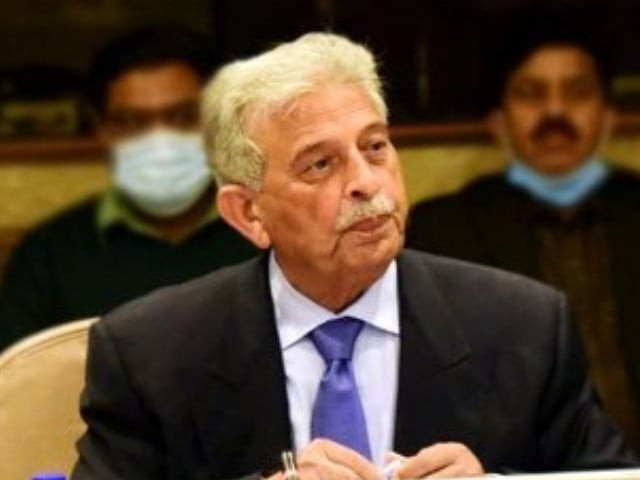
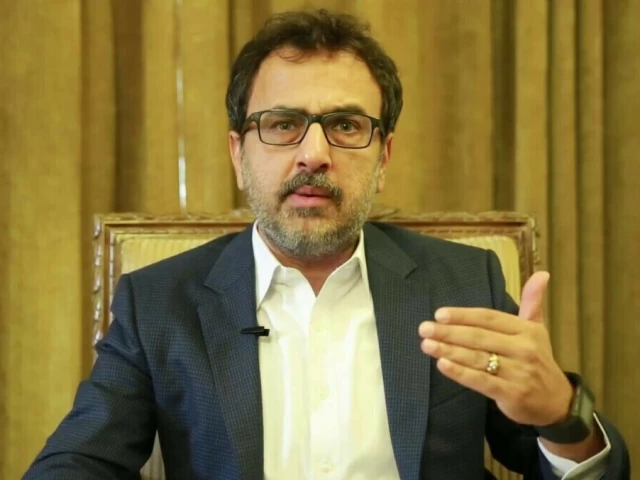
Energy Minister Awais Ahmad Leghari. PHOTO: FILE
ISLAMABAD:
Energy Minister Awais Ahmed Khan Leghari on Tuesday said Pakistan and Russia had agreed to sign an Economic Cooperation Programme extending through 2030, while a recently signed readmission agreement was expected to facilitate improved visa arrangements and strengthen people-to-people contacts.
Addressing a webinar titled “Pakistan-Russia Bilateral Relations in the Context of the Changing Global Order” as the keynote speaker, Leghari said ties between Islamabad and Moscow had witnessed significant progress over the past two decades based on constructive and practical engagement.
Referring to structural changes in global politics, the minister said the mistrust inherited from the Soviet era had gradually faded and bilateral relations had evolved from the perception of an “unfriendly country” to that of a “reliable friend”. He added that the leadership of both countries had played a key role in expanding cooperation in trade, energy, defence and technology, pointing to four meetings held in recent years between Prime Minister Shehbaz Sharif and Russian President Vladimir Putin as evidence of the growing relationship.
Read: Pak, Russia to cooperate on illegal immigration
As Pakistan’s co-chair of the Pakistan-Russia Intergovernmental Commission (IGC), Leghari highlighted his regular engagement with Russian Energy Minister Sergei Tsivilev, describing the commission as the cornerstone of the two countries’ multifaceted partnership. Leghari added that bilateral cooperation had also been strengthened through various institutional frameworks, including regular consultations on security, strategic stability and counterterrorism.
He also noted that Pakistan and Russia frequently coordinate positions at international forums, including the United Nations and the Shanghai Cooperation Organisation, in support of a more inclusive and multipolar global order.
Leghari said there was substantial potential to expand bilateral trade, adding that both countries were working to address structural barriers, including issues related to payment mechanisms. He said the planned programme would serve as a major milestone in broadening economic ties, while the signing of the Pakistan-Russia Readmission Agreement in Bishkek would improve visa facilitation, boost business engagement and promote greater exchanges between the peoples of both countries.
Emphasising regional connectivity, the energy minister said Pakistan was interested in joining the International North-South Transport Corridor, welcoming Russian Deputy Prime Minister Alexey Overchuk’s proposal to connect the corridor with Pakistan’s Gwadar Port and saying the initiative could complement China’s Belt and Road Initiative and enhance regional trade links.
Read More: Pakistan, Russia discuss strategic stability
Leghari further noted that Russian leaders had appreciated Pakistan’s recent diplomatic efforts aimed at reducing tensions between Iran and the United States, reflecting Moscow’s view of Pakistan as an important and responsible international partner.
Further, the minister said Pakistan’s growing institutional engagement with Russia was also reflected in the participation of a large Pakistani delegation at the Kazan Forum 2026 in May. He added that Pakistan regularly takes part in major international events in Russia, including the St Petersburg International Economic Forum and Moscow Energy Week.
Concluding his remarks, Leghari said Pakistan-Russia relations extended beyond bilateral cooperation and carried broader significance for Eurasian economic integration, regional connectivity and stability.
Also Read: Pakistan-Russia: friendship or relevance?
Speaking on the occasion, Special Assistant Tariq Fatemi also pointed to meetings between PM Shehbaz and President Putin, underscoring the importance both countries attach to their relationship. He said discussions during those meetings had covered a wide range of issues and reflected a shared commitment to strengthening cooperation.
Fatemi also described energy cooperation as the beginning of a new chapter in Pakistan-Russia relations and noted that both countries had taken similar positions on the Middle East conflict. He added that Islamabad and Moscow were seeking collaboration in numerous sectors and were working jointly to combat terrorism. Saying continued cooperation on shared objectives was essential, he stressed the need to move beyond the negative experiences of the past.
Former ambassador Masood Khan, too, addressed the webinar, saying bilateral trade, currently valued at approximately $1.3 billion, should be significantly increased, with Pakistan positioning itself as Russia’s gateway to the Arabian Sea. Khan, however, also expressed concern over regional security challenges, alleging that India continued to pursue aggressive policies and that terrorism against Pakistan was being conducted from Afghan territory.