Nepal wants technical help for flood, billions of dollars as bad weather hampers rescue

Nearly 3,000 people are still missing, about 2,426 in Nepal, at least 558 in Tibet’s Gyirong County
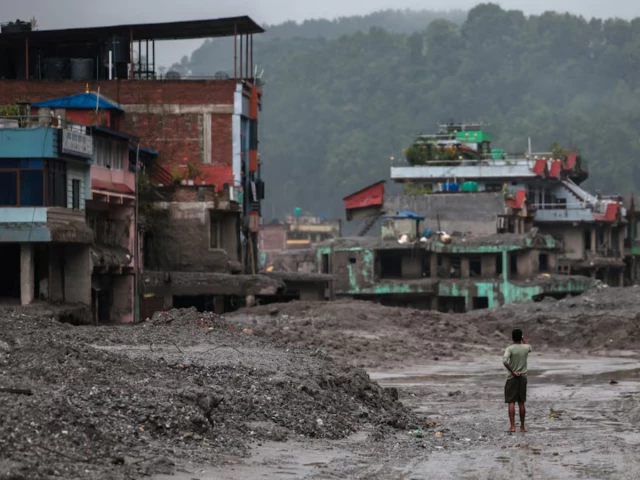
A man takes pictures in front of damaged buildings after flash floods and a mudslide, in Trishuli, Nuwakot district, Nepal. Photo: Reuters
Nepal suspended search and rescue on Saturday due to bad weather and said it needs foreign technical help to cope with the devastating flood that tore through an area bordering Tibet.
The impoverished Himalayan nation of 30 million people will also need about $4 billion to $5 billion to rebuild after the destruction caused by Wednesday’s flood, the finance minister told Reuters.
Triggered by a glacier collapse, the huge torrent of rock, ice, mud and debris hurtled through mountain river systems on Wednesday, killing at least 626 people in Nepal and seven in China’s Tibet as it swallowed buildings, bridges and power stations in its path.
Nearly 3,000 people are still missing – about 2,426 in Nepal and at least 558 in Tibet’s Gyirong County – including at least 540 foreigners, many of them Hindu pilgrims from India.
Nepal seeks specialised help, not general rescue
“Search and rescue operations have been temporarily halted because it is raining and the weather is foggy,” Narendra Pariyar, the top bureaucrat for the badly hit Rasuwa district, told Reuters.
The focus is on arranging land transport to move rescued pilgrims to the capital city, Kathmandu, he said.
Authorities briefly suspended rescue operations on Friday as well when a lake, formed across the Nepal-China border after the flood, began overflowing into Nepal’s Lhende Khola and Trishuli rivers.
That lake is one of two upstream of the flood zone that Nepal is monitoring. Flood risks will persist until both fully drain, an official warned.
One lake is shrinking, China’s state-run Xinhua news agency said on Friday, citing analysis by the water resources ministry. But a Chinese government geohazards expert warned it may be unstable, adding that over 100 glacial lakes scattered in the area could also pose a threat.
Read: Nepal, China resume flood rescue
Nepal’s Foreign Minister Shisir Khanal said the country did not need help with search and rescue operations but required assistance in rescuing people stuck in tunnels, opening transport and communication lines in places where bridges were destroyed, identification of dead bodies, DNA testing and storing bodies for longer durations.
“We have already made requests for such specialised services and technical assistance in areas where we don’t have enough expertise and technical know-how,” he told Reuters late on Friday.
China calls for international cooperation
New Delhi has sent three flights carrying about 60 tons of relief material to Nepal, including blankets, medicines, food and water purification tablets, and plans to also dispatch a tunnel rescue team and a medical team.
India has also offered its disaster response force and prefabricated bridges along with technical teams to help restore connectivity, the foreign ministry said.
Beijing has called for emergency aid to disaster-hit areas of Nepal and international rescue cooperation, without elaborating on what China is sending to Nepal.
Finance Minister Swarnim Wagle told Reuters that Kathmandu’s initial estimate was that it will need between $4 billion and $5 billion to rebuild.
Read more: Lake overflows on Nepal-China border, sparking panic and halting rescue
“This is just an estimate. Loss and damage is being assessed,” he said.
Authorities in China have also been racing to trace more than 500 missing people after the flood.
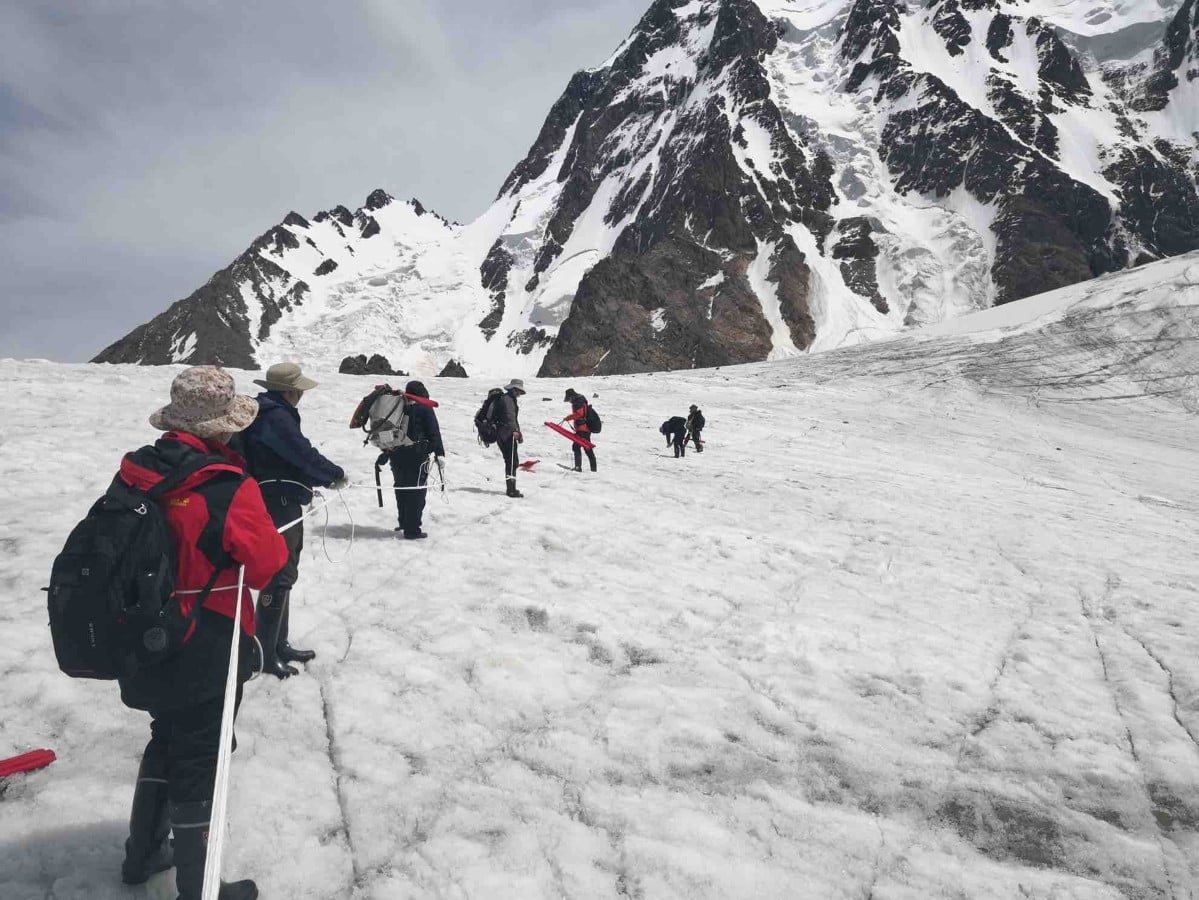
Rescuers on Friday reached the worst-hit Gyirong border crossing complex, traversing mountains and valleys, and using ropes to navigate forests and cliffs after roads to the complex, hemmed in by steep Himalayan slopes, were destroyed.
Surveillance camera footage from the crossing showed huge torrents of water and debris engulfing buildings there when the flood hit, as people tried to flee.
Source link