
Proposed law carries up to 10 years in prison, Rs200 million fine for counterfeit medicines
PESHAWAR:
The Khyber-Pakhtunkhwa government has proposed sweeping amendments to the provincial drug law to curb counterfeit and substandard medicines and strengthen regulation of their manufacture, import, export, storage, distribution, sale and quality control.
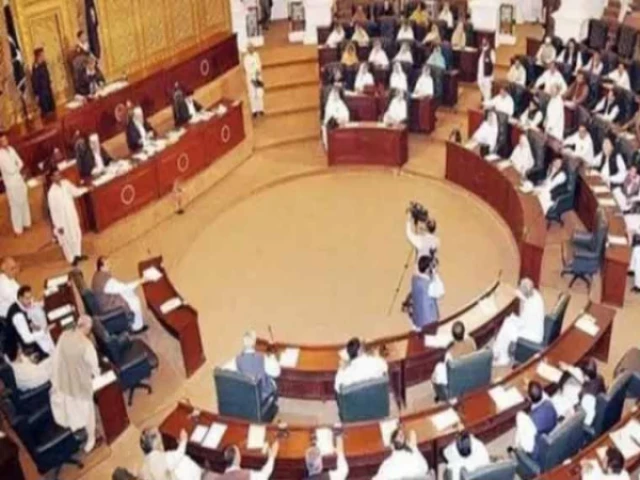
The Khyber-Pakhtunkhwa Drug Amendment Bill 2026 was presented in the provincial assembly by Law Minister Aftab Alam and referred to the relevant standing committee for further consideration. The proposed amendments seek to significantly increase penalties for violations involving medicines.
Under the bill, the sale of medicines without a licence or the sale of counterfeit drugs would carry imprisonment ranging from three to 10 years and a fine of up to Rs200 million. The legislation also proposes enhanced punishment for offences involving counterfeit, adulterated, unregistered and substandard medicines.
A person continuing to sell unregistered medicines despite a conviction could face a fine of up to Rs200 million.
The bill proposes imprisonment of up to one year and a fine of Rs10 million for obstructing a drug inspector in the performance of official duties.
The Quality Control Board would also be empowered to send drug samples to foreign laboratories for analysis where necessary.
The provincial government said the amendments were necessary to update the legal framework following the devolution of health-related functions to the provinces under the 18th Constitutional Amendment. Previously, the manufacture, import, export, storage, distribution, sale and quality control of medicines were regulated under the Drug Act, 1976.
Meanwhile, the K-P Assembly approved the Khyber-Pakhtunkhwa Ehsaas Rehriban (Cart Vendors) Bill during the session.
The session also witnessed a brief walkout by Irrigation Minister Fazal Shakoor over restrictions imposed on the purchase and sale of urea fertiliser. He warned that the decision could severely affect farmers and cause irreparable damage to agriculture in the province. He returned to the house following assurances from treasury and opposition members.
Law Minister Aftab Alam said the provincial government had no direct control over urea supplies, which were managed by a single company. He said the government was considering establishing a provincial fertiliser company to facilitate production and supply.
Separately, a call-attention notice on illegal mining was deferred because the minerals minister was absent. MPA Ashbar Jadoon criticised cabinet members for not attending assembly proceedings.

