



Bilawal says he will study JAAC’s proposal and consult AJK government and stakeholders to build consensus
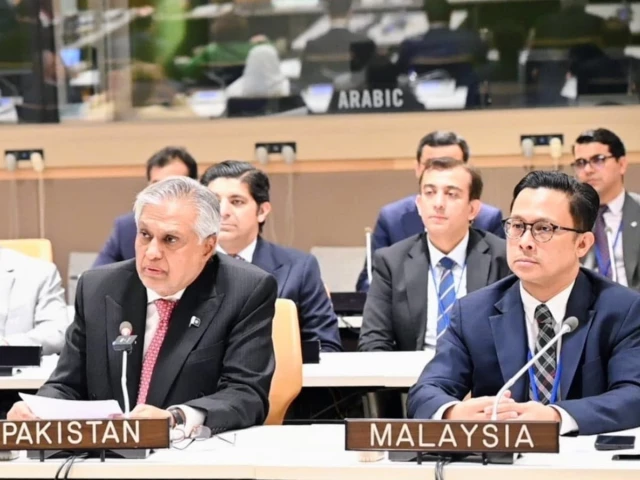
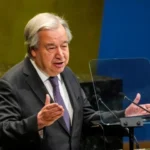
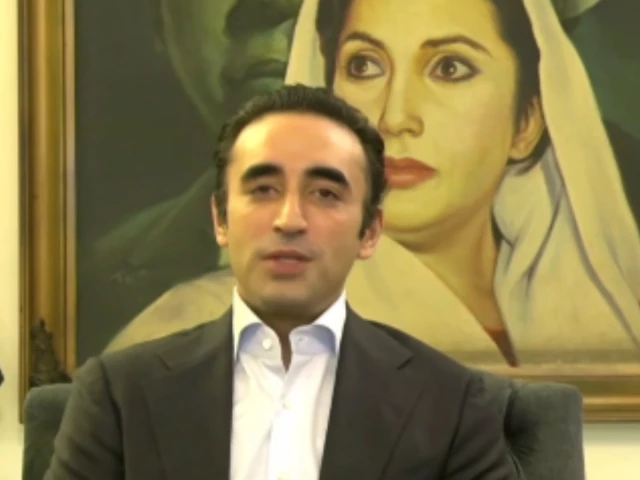
PPP Chairperson Bilawal Bhutto Zardari speaking to Al Jazeera ahead of the Islamabad Talks 2026. PHOTO: SCREENGRAB
The protesting Jammu and Kashmir Awami Action Committee on Saturday expressed its willingness to engage with the proposed Truth and Reconciliation Commission as it responded to a letter written by Pakistan Peoples Party Chairman Bilawal Bhutto-Zardari on the initiative.
The development came after the JAAC wrote a letter to Bilawal on July 14, to which the PPP chairman responded by reiterating his proposal to establish a Truth and Reconciliation Commission with the consent of all stakeholders.
In response to the letter, the JAAC conveyed its willingness to consider the proposed commission as a possible way forward to address the recent violence and political crisis in Azad Jammu and Kashmir.
“I have received JKJAAC’s response to my letter proposing the establishment of a Truth and Reconciliation Commission, together with their accompanying proposal,” Bilawal said in a post on X.
I have received JKJAAC’s response to my letter proposing the establishment of a Truth and Reconciliation Commission, together with their accompanying proposal.
Every loss of life is a national tragedy. My immediate priority is to help end the present crisis, bring relief and…
— Bilawal Bhutto Zardari (@BBhuttoZardari) August 1, 2026
Describing every loss of life as a national tragedy, the PPP chairman said his immediate priority was to help end the crisis, provide relief and restore normal life for the people of AJK as quickly as possible.
“I welcome their willingness to engage with the proposed commission as a possible institutional path forward, one now endorsed by the AJK Legislative Assembly, and will study their proposal carefully,” he added.
Bilawal said he would also consult the AJK prime minister, who would approach the federal government and other relevant stakeholders to seek their initial views and assess whether sufficient common ground existed to move forward with a consensus proposal.
Read: Bilawal pitches truth and reconciliation commissions for AJK
Last month, while addressing PPP office-bearers and election candidates in Muzaffarabad, Bilawal had proposed the establishment of an independent Truth and Reconciliation Commission to help resolve the ongoing political crisis in the region.
He had suggested that the commission should have a broad mandate to examine the prevailing situation, establish facts, consider grievances and positions of all sides, review outstanding political, legal and administrative issues, and recommend a fair and lasting way forward.
He had warned that maintaining the status quo in AJK could harm both the Kashmir cause and Pakistan’s international reputation, urging all stakeholders to seek a political solution.
Earlier this week, the AJK Legislative Assembly passed a resolution calling for the establishment of an independent truth commission to investigate the recent unrest, examine deaths, injuries and property losses, and recommend relief measures and reforms.
The resolution followed clashes between law enforcement personnel and JAAC protesters in Rawalakot, with reports of deaths and injuries. Both security forces and the JAAC claimed casualties during the unrest.
The assembly resolution urged peaceful protesters, political workers, traders and young people to distance themselves from “armed, violent, subversive and law-breaking elements”.
Also Read: AJK assembly passes resolution seeking truth commission into recent unrest
The unrest drew condemnation from political parties and rights groups following reports of casualties during the protests.
The Human Rights Commission of Pakistan expressed concern over the reports, stressing that maintaining public order should not come at the expense of the right to life or the freedoms of peaceful assembly and expression. It called for a prompt, impartial and independent investigation into the reported deaths and injuries.
Opposition parties also criticised the violence. The PTI called for an immediate, independent, transparent and impartial judicial investigation, describing the reported deaths and injuries as an attack on human rights, democratic values and civil liberties.
The Tehreek-e-Tahaffuz-e-AJK Pakistan condemned what it described as the use of excessive force against protesters. At the same time, Jamiat Ulema-e-Islam-Fazl chief Maulana Fazlur Rehman termed the firing on civilians as “open terrorism”.
The recent unrest follows a period of political tensions in AJK, where the JAAC had previously led protests over demands for constitutional and governance reforms. The committee’s charter of demands included ending privileges enjoyed by the ruling elite, abolishing 12 seats reserved for Kashmiri refugees in the AJK Legislative Assembly and ending the quota system.
Following earlier unrest, the government and JAAC had reached an agreement covering 12 core and 13 additional points. Under the accord, both sides agreed to establish a high-level committee to examine the issue of refugee seats in the AJK Legislative Assembly.
The issue remains unresolved, with the JAAC calling for the abolition of the reserved seats while the government has rejected the demand.