







Energy minister says electricity producers, consumers would be able to buy and sell directly
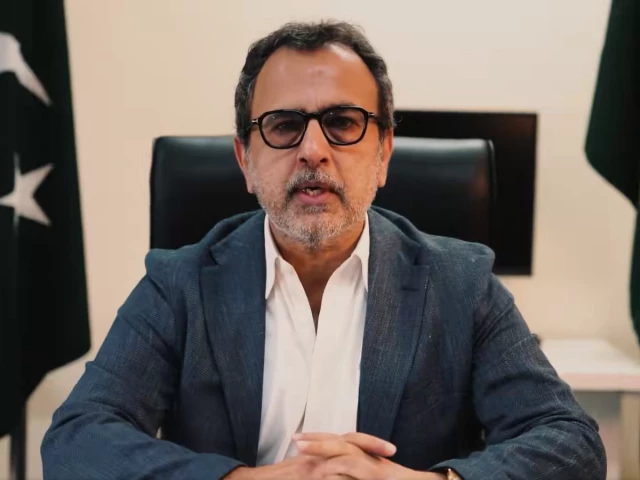
Energy Minister Awais Leghari on Sunday announced the launch of a competitive electricity market in Pakistan, saying the new system would initially allow industrial and other large consumers using more than one megawatt to purchase electricity directly from producers before being extended to ordinary consumers in the coming years.
“The government is practically withdrawing from electricity procurement,” he said in a video message, explaining that electricity producers and consumers would instead be able to buy and sell power directly through a transparent mechanism.
The announcement came as the Independent System and Market Operator of Pakistan (ISMO) issued a request for proposals (RFP) for Pakistan’s first 400-megawatt wheeling auction under the Competitive Trading Bilateral Contract Market (CTBCM) framework.
وفاقی وزیر توانائی سردار اویس احمد خان لغاری کا CTBCM کے تحت بجلی کے مسابقتی نظام کی جانب اہم پیغام۔
اب بجلی پیدا کرنے والے اور بڑے صارفین مسابقتی بنیادوں پر بجلی کی خرید و فروخت کر سکیں گے، جبکہ پہلے مرحلے میں ایک میگاواٹ سے زیادہ بجلی استعمال کرنے والے صارفین اس نظام سے مستفید… pic.twitter.com/hrGGmX56Pb— Awais Leghari (@akleghari) September 20, 2026
Leghari also shared the ISMO public notice on X, saying he was “proud to announce” that the RFP had been issued and that a “decades-old commitment” of successive governments had now been practically implemented. “Suppliers and consumers of power can now transact with each other,” he said in his post.
Under the existing electricity market structure, the government purchases the power generated by producers and supplies it to consumers. The terms and rates under which electricity is procured have long been a subject of scrutiny, particularly in relation to independent power producers (IPPs).
He said the new system would fundamentally alter that arrangement, with producers and consumers able to enter into transactions directly rather than relying on the government as the central buyer and seller. “Electricity producers and users will buy and sell directly through a transparent mechanism,” he added.
Also Read: Power companies faulted for crippling outages
The first phase of the competitive market will cover industrial and other large consumers using more than one megawatt of electricity. Ordinary consumers will be brought into the system at a later stage, with Leghari saying the expansion was expected to take place over the next few years.
The minister said the eventual expansion would give consumers greater choice over their electricity suppliers and allow them to seek cheaper power. “For an ordinary consumer, this will mean that they will have the choice of buying cheaper electricity,” he said.
Leghari further stated that lower electricity costs would also help Pakistani industry compete in international markets and support exports. “If electricity becomes cheaper, our industry will be able to compete internationally, and our exports will increase,” he added.
I am proud to announce that the RFP for 400 MW of wheeling has been issued today.
Decades old commitment of different governments has been practically implemented by PM Shahbaz Sharifs Team Power.
Suppliers and Consumers of Power can now transact with each other. No more… pic.twitter.com/SaRPwQhEtv— Awais Leghari (@akleghari) September 20, 2026
The wheeling mechanism allows eligible electricity producers and consumers to enter into direct power transactions while using the existing transmission network to deliver the contracted electricity.
It is intended to provide the infrastructure needed for consumers and suppliers to trade power outside the government’s traditional procurement arrangement.
Under the first auction, interested participants have been asked to submit their proposals by November 20, 2026. Potential participants must also register on ISMO’s electronic auction platform to take part in the process.
Leghari described the launch as the practical implementation of a reform that successive governments had sought to introduce for decades.
Read More: DISCOs seek Rs1.7 raise in power tariff
“Every government for the last 25 to 30 years wanted a competitive electricity market,” he said, adding that the present government had moved towards putting the system into practice.
He said the initial eligibility threshold of more than one megawatt was part of a phased rollout and did not represent the final scope of the market, with smaller consumers expected to be brought into the system in the coming years.
Leghari congratulated Prime Minister Shehbaz Sharif and the nation on the development, saying the government had fulfilled a long-standing reform commitment by moving towards a competitive electricity market.
The 400MW wheeling auction is expected to serve as an initial step in the transition, with the new market beginning with large electricity users before being expanded to smaller consumers.