Strong H1 growth driven by innovation, high-tech sectors and resilient domestic demand despite global slowdown
A worker checks automatic spool winders at a smart factory in Xin’an Town, Deqing County, Zhejiang province, China, on June 15, 2026. Photo: Xinhua
China’s economy expanded by 4.7% year-on-year in the first half of 2026, demonstrating resilience amid global uncertainty and reinforcing its role as a stabilising force in the world economy, according to official data cited by Xinhua.
Figures released by the National Bureau of Statistics (NBS) showed that GDP growth moderated slightly in the second quarter to 4.3%, down from 5% in the first quarter. Officials, however, said the economy continued to operate “within an appropriate range” despite mounting external pressures.
Officials attributed the second-quarter slowdown to short-term factors and external influences, maintaining that the broader trajectory of innovation-driven and high-quality development remained intact.
China has set a full-year growth target of around 4.5% to 5%, with policymakers expressing confidence they will meet or exceed it. The steady performance in the first half, they said, has laid a solid foundation for achieving key annual targets.
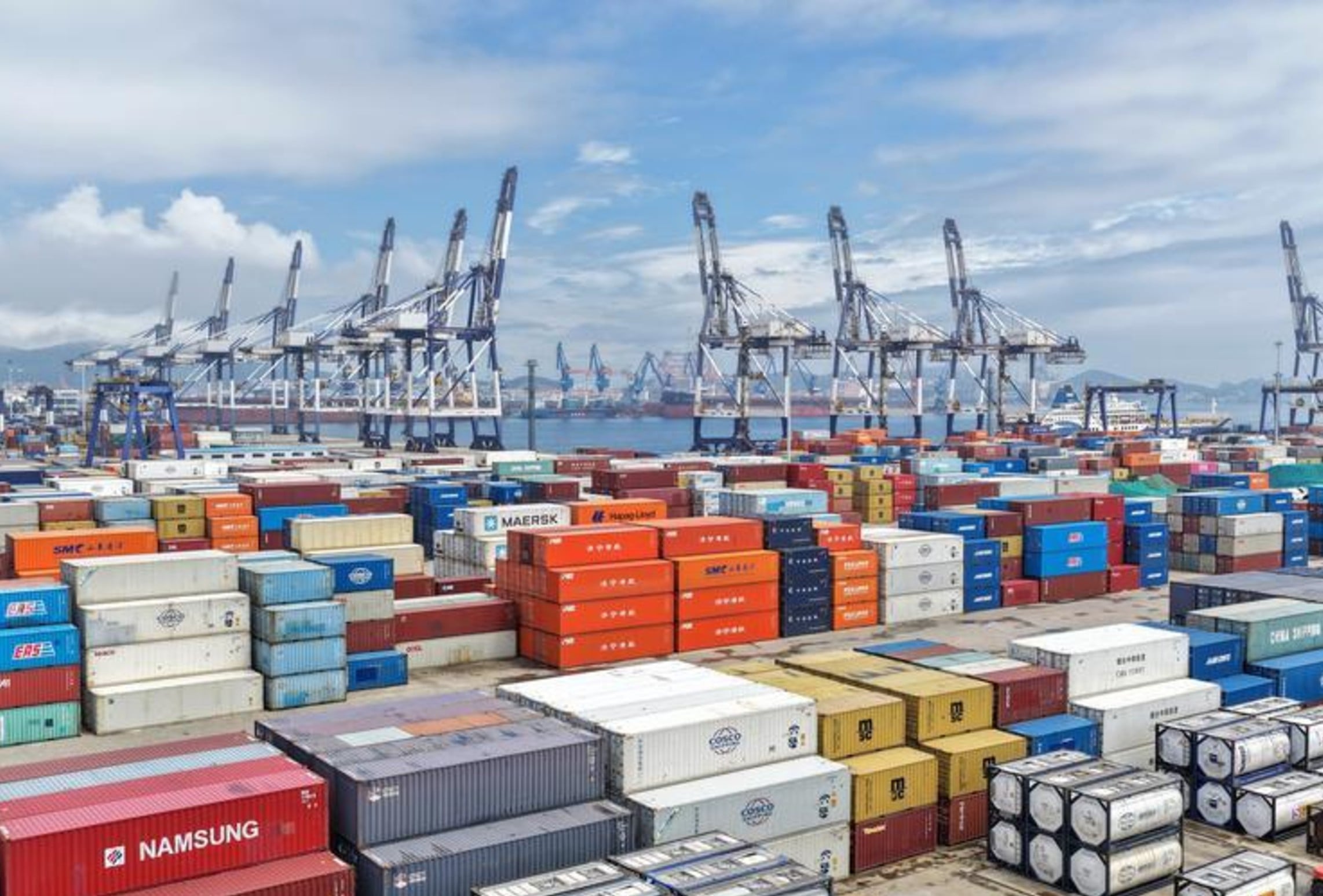
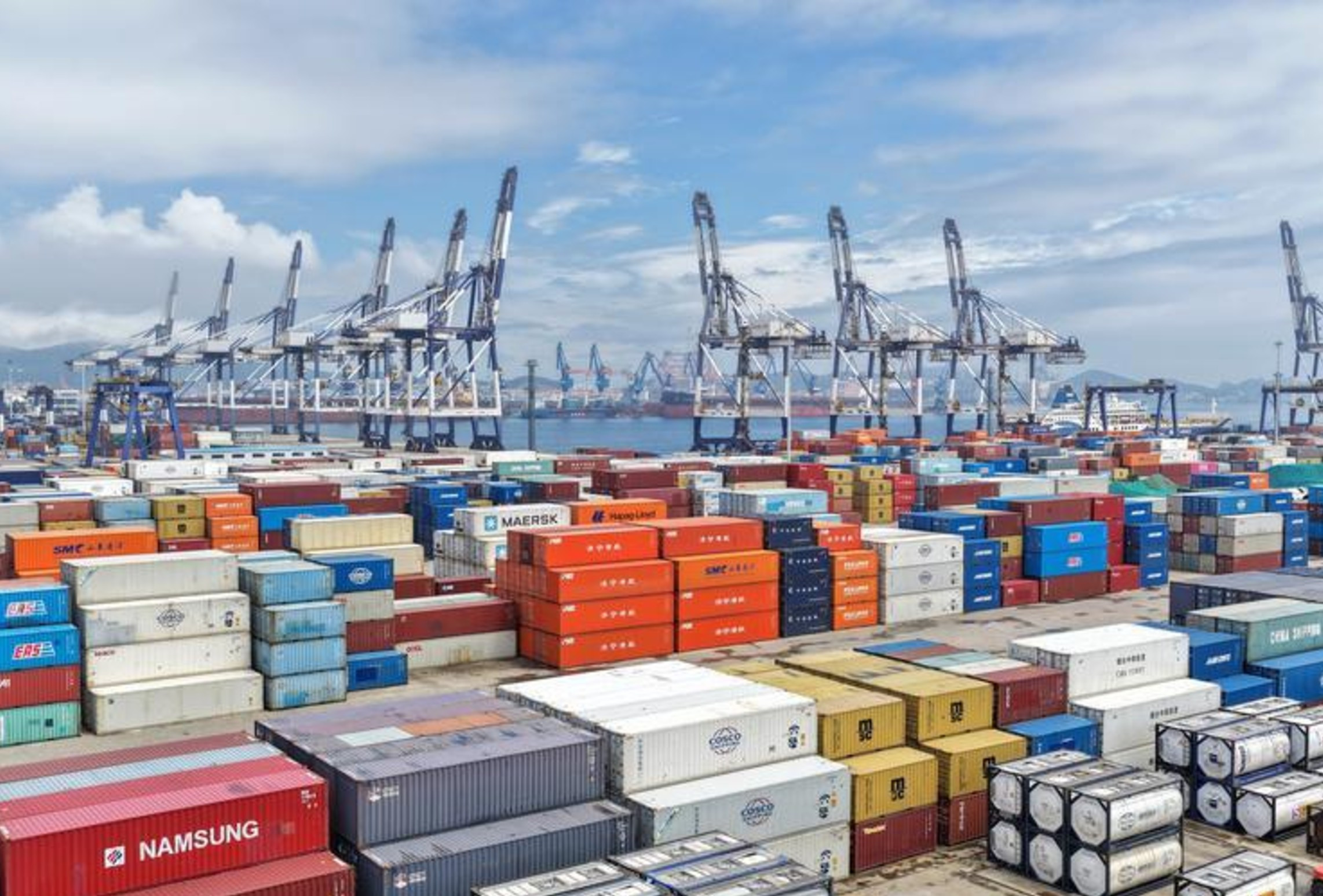
A drone photograph shows the international container terminal at Yantai Port in Shandong province, China, on July 14, 2026. Photo: Xinhua
The data pointed to several indicators of stability, including steady employment levels, moderate inflation, and solid foreign trade performance. The surveyed urban unemployment rate stood at 5% in June, while per capita disposable income rose 5.2% year-on-year in the January–June period.
Industrial output grew 5.4% in the first half, while retail sales — a key measure of consumption — increased 2.7%, reflecting a gradual recovery in domestic demand.
Economists said that China’s economic resilience has been supported by its complete industrial system, expansive domestic market and targeted macroeconomic policies.
The International Monetary Fund (IMF) recently revised down its global growth forecast for 2026 to 3%, while raising its projection for China’s full-year growth to 4.6%, making it one of the few major economies to receive an upward revision.
Officials and analysts highlighted the growing role of new economic drivers, including high-end manufacturing, the digital economy and modern services, which together contributed more than 40% to economic expansion in the first half of the year.
High-tech manufacturing output rose 13.3% year-on-year, while trade in computing hardware surged 56.6% to more than 5.13 trillion yuan. Exports of emerging sectors such as new energy vehicles, photovoltaic products, and lithium batteries also recorded strong growth, contributing to the global transition towards cleaner energy.
China’s services sector continued to outperform, expanding 5.2% year-on-year and surpassing overall economic growth. Meanwhile, energy consumption per unit of GDP declined 1.9%, reflecting improvements in efficiency and sustainability.
The country’s role in global trade remained significant, with China retaining its position as the world’s second-largest import market for the 17th consecutive year. Imports rose 22.1% in the first half, outpacing export growth and indicating a more balanced trade structure.
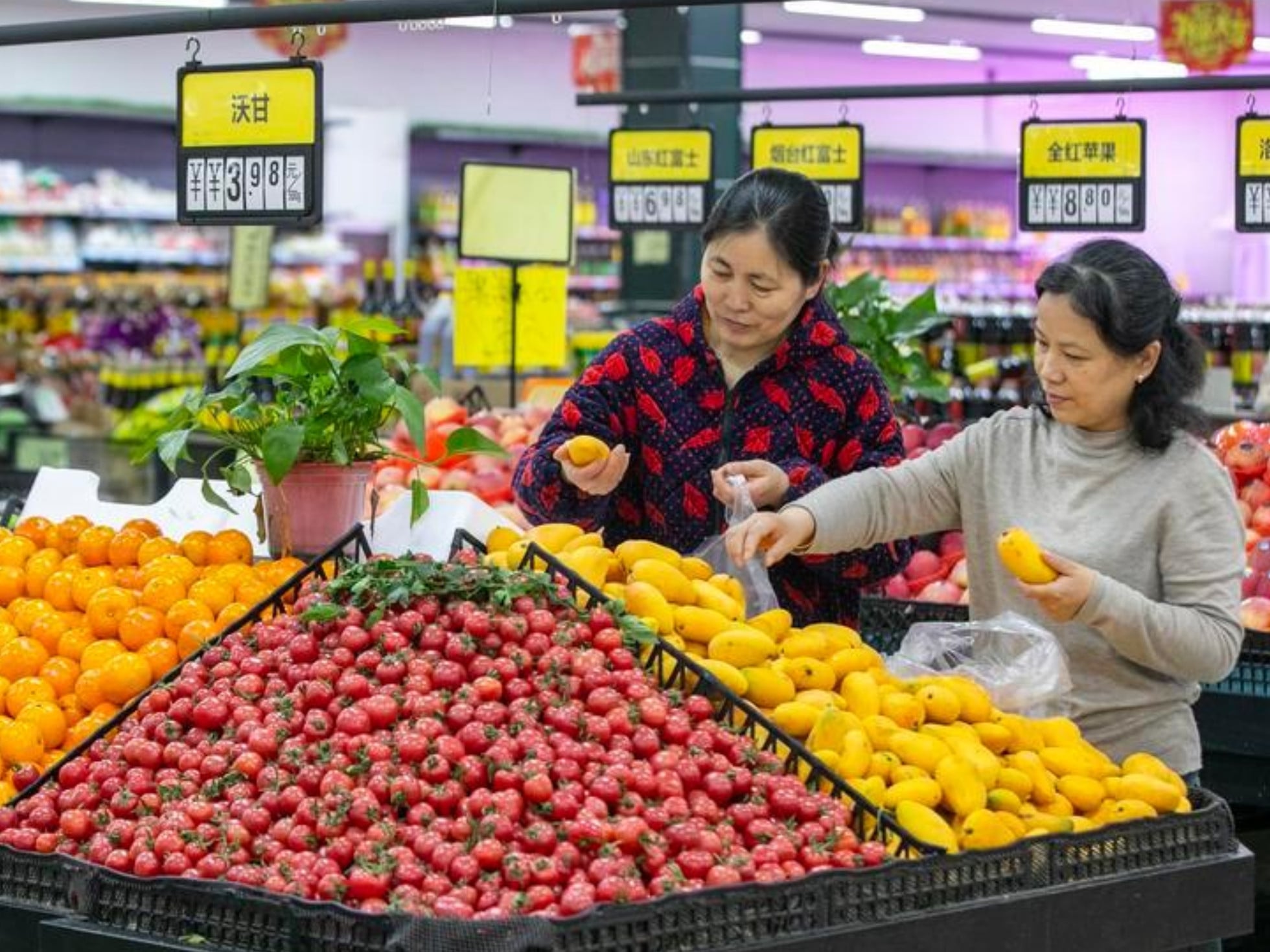
People shop for fruit at a supermarket in Nantong, Jiangsu province, China, on April 10, 2026. Photo: Xinhua
Officials said continued policy support, including efforts to boost consumption and expand domestic demand, would help sustain momentum in the second half of the year.
China has also unveiled its 15th Five-Year Plan (2026–2030), prioritising industrial modernisation, the development of new growth drivers and the expansion of domestic consumption. A separate five-year plan focused on consumption aims to unlock the potential of the country’s vast market and improve living standards.
Despite persistent global headwinds, officials expressed confidence that China’s focus on innovation, technological advancement and high-level opening-up would ensure steady growth and continue contributing to global economic stability.
Source link