




The tech pioneer says AI monitoring will not hamper the US race with China to develop superior technology
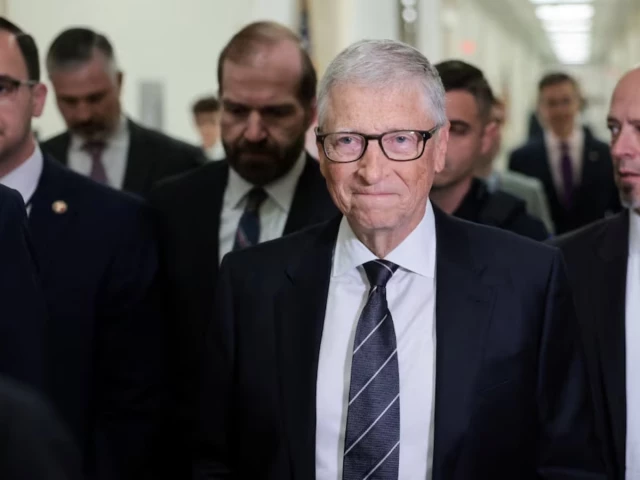
Bill Gates arrives for a closed door interview before the House Oversight Committee investigating late financier and sex offender Jeffrey Epstein, on Capitol Hill in Washington, D.C., US, June 10, 2026. REUTERS
Microsoft co-founder and billionaire Bill Gates warned on Sunday that getting countries to agree to a global framework on artificial intelligence could be “more difficult” than Cold War-era negotiations to limit nuclear weapons.
“This is more difficult than that was,” Gates told NBC News’ “Meet the Press” during a wide-ranging discussion on AI.
Gates also addressed US President Donald Trump’s stance against regulating AI, with Trump rejecting calls for the federal government to impose guardrails for companies building AI models.
The tech pioneer argued that regulating AI companies with monitoring systems would not hamper the US in any race with China to develop superior technology.
Read More: OpenAI, Anthropic CEOs called to appear at Australian AI probe
“What he said is fine, but I think after he hears from me and other people, including that this does not handicap us in whatever he thinks the nation-state race is, that, you know, we will come to a consensus,” he said.
The billionaire later highlighted other times the US led the world in coming up with broad agreements to protect humanity since World War II, with its friends and allies, citing the global challenges of “aviation safety, ozone layer, nuclear weapons, a lot of things where we played the fair actor, not aggrandizing whatever our unique strengths were.”
He added: “And AI is one we’re going to have to go back to this:, ‘Hey, humanity is all in this together’.”
The debate comes in the wake of recent incidents of AI agents going beyond what many experts thought possible, spurring industry insiders to issue warnings and call for stricter regulation of the sector.