


ISLAMABAD:
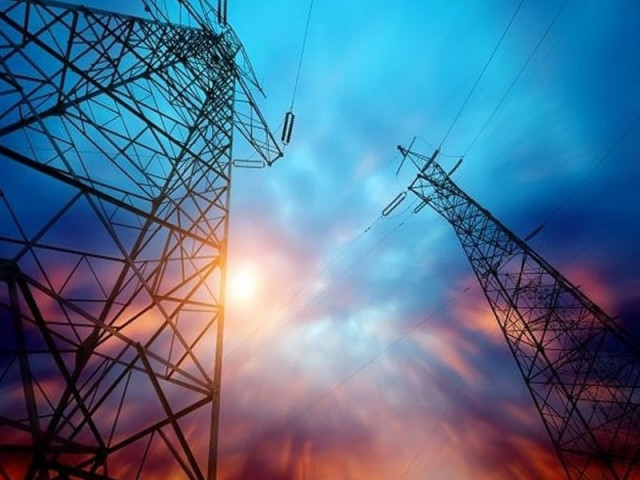
Electricity tariffs are likely to increase by Rs1.20 per kilowatt-hour (kWh) on account of fuel adjustment for June 2026, dealing another blow to inflation-weary consumers.
The National Electric Power Regulatory Authority (Nepra) conducted a public hearing on Tuesday to consider the fuel price adjustment. The Central Power Purchasing Agency (CPPA) has filed a petition calling for a hike of Rs1.20 per unit. According to the CPPA managing director, 13.07 billion units of electricity were sold in June. The reference fuel cost was estimated at Rs7.71, but the actual cost jumped to Rs8.91 per unit, mainly due to the high cost of imported LNG used for power generation.
Nepra Member Maqsood Anwar expressed strong dissatisfaction with the authorities’ explanations, urging officials to implement practical measures to ensure cheaper electricity. Consumers paid a fuel charge adjustment of Rs0.34/kWh in July 2026. For August 2026, the proposed FCA escalated to Rs1.20/kWh, resulting in a net additional burden of Rs0.86/kWh on general consumers.
The proposed hike comes amid extreme volatility in Regasified Liquefied Natural Gas (RLNG) prices, which surged from Rs1,546 per MMBTU in April 2026 to Rs4,357 per MMBTU in May, and further to Rs4,997 per MMBTU in June.
Alongside rising generation costs, overall electricity consumption contracted. Total power demand dropped by 3.3% year-on-year, declining from 10,337 Gigawatt-hours (GWh) in June 2025 to 9,995 GWh in June 2026.
The sharpest decline was in the agricultural sector, where consumption plummeted by 28.9%, falling from 388 GWh to 276 GWh. Bulk supply usage dropped by 11.5% to 286 GWh. Domestic consumption contracted by 3.5% to 5,799 GWh from 6,007 GWh a year earlier. In a separate development, Nepra issued electricity distribution and supplier of last resort licences to DHA Energy Supply Company (DESCO) for DHA City Karachi, valid for 20 years.
Anwar said DHA City Karachi, located approximately 56 kilometres from the city, had no existing connection to either the national grid or K-Electric’s network. This licence was the most expedient and workable arrangement after the authority examined the ground realities. Stakeholders raised objections on financial strength, technical capacity and operational experience, and the authority engaged with each one on merit. While DESCO’s own balance sheet could not provide direct answers as a newly incorporated entity, the authority looked to the demonstrated strength of its parent company.
Tariff, use-of-system charges and connection charges all remain subject to Nepra’s approval and oversight, ensuring consumer protection remains central to the arrangement.