Home Blog Page 939

Trade, climate bodies aim to fix food supply chain

0
Trade, climate bodies aim to fix food supply chain


Dairy, food sectors sensitive to energy fluctuations, logistics inefficiencies, meeting told

International experience shows that trade tends to stabilise border regions by creating employment, formalising economic activity, and aligning local incentives with peace and continuity. Photo: file


ISLAMABAD:

Federal Minister for Commerce Jam Kamal Khan held a meeting with Romina Khurshid Alam, coordinator to the prime minister on climate change, along with a delegation representing Pakistan’s food chain sector, according to a statement issued on Saturday.

The meeting focused on aligning Pakistan’s trade and climate policies to ensure a resilient, efficient and sustainable food supply chain amid evolving global and domestic challenges.

Participants emphasised that while food availability and accessibility remain relatively stable, affordability and supply chain efficiency require immediate attention. The delegation highlighted the need to minimise disruptions to essential industries, particularly the dairy and food sectors, which are highly sensitive to energy fluctuations and logistical inefficiencies.

Kamal Khan underscored the government’s commitment to keeping economic activity uninterrupted, especially in critical sectors, while promoting smarter energy utilisation and improved logistics management. He noted that sustainable growth in trade depends on strengthening domestic supply chains and enhancing coordination between federal and provincial stakeholders.

Alam stressed the importance of integrating climate resilience into food systems, pointing out that climate-smart agriculture, efficient resource utilisation and reduced wastage are key to long-term food security. She highlighted the government’s focus on encouraging behavioural change, energy conservation and environmentally responsible practices across industries.

The delegation also shared insights on fuel consumption patterns, transport inefficiencies and the need for optimised freight systems, including better utilisation of trucking capacity and greater reliance on rail networks. Both sides agreed that policy measures should focus on efficiency improvements rather than restrictive approaches, ensuring that economic momentum is maintained.

Special attention was given to promoting alternative mobility solutions, digital supply chain management and public-private collaboration to enhance productivity while reducing environmental impact.

The meeting concluded with a consensus on developing a coordinated framework between commerce and climate institutions, aimed at strengthening Pakistan’s food systems, supporting industry continuity and advancing sustainable economic growth.


Source link

Dangerous chemicals detected in hair extensions, study warns

0
Dangerous chemicals detected in hair extensions, study warns


Out of 169 identified chemicals, many were associated with risks of cancer, developmental issues, reproductive health

According to a study published in Environment & Health on February 11, this was “the most comprehensive testing of hair extensions publicly reported.” The concern arose 11 from testing 44 hair samples and detecting dangerous chemicals, including flame retardants, phthalates, and pesticides. Additionally, out of the 169 identified chemicals, many were associated with risks of cancer, developmental issues, and reproductive health.

Dr Elissia T. Franklin, lead researcher of the paper, shared her concerns that each identified chemical poses its own risks and that extended exposure to these substances accumulates over time.

The study’s importance is heightened by the rise of the wig and hair extension industry, which is projected to surpass $14 billion by 2028, while regulation and chemical characterisation remain subpar.

“Hair extension product packaging and websites rarely disclose chemical composition. Extensions may be made of human hair, other natural fibres, or synthetic fibres and may be treated with dyes, flame retardants, waterproofing agents, pesticides/antimicrobials, and other conditioning agents,” Franklin et al. state.

Black women are disproportionately affected because over 70% of them wear extensions at least once a year, compared to under 10% of white women. “Little is known about how chemical exposure differs among different races/ethnicities,” the study adds.

The research indicates the potential harms of hair extensions. Prolonged exposure to the chemicals through skin contact, inhalation, and even ingestion can accumulate over time.

Given the lack of research on these substances and their long-term exposure, the study encourages further research, greater corporate transparency, and stronger regulation within the growing industry.


Source link

Could insight from cats lead to breast cancer cures?

0
Could insight from cats lead to breast cancer cures?


Study finds feline cancers mirror human disease, offering clues for new treatments

The ideal candidate must have “gentle hands capable of petting and stroking cats for long periods of time.” PHOTO: AFP/FILE

Owning a cat offers many health benefits, including reduced stress and emotional support, and new research suggests our feline friends might also offer clues to better treat certain cancers.

That’s according to a new study published Thursday in the journal Science, which investigated cancers in cats and found significant parallels with how the disease plays out in humans.

Previous studies had highlighted similar links between dogs and humans, but little research focused on cats, said co-author Louise van der Weyden, a scientist at the British Wellcome Sanger Institute.

Cats, just like dogs, provide “a great model for us,” she told AFP, because they share an environment with humans that includes similar pollution, such as second-hand smoke.

“They develop other illnesses that we do when you get cancer,” Van der Weyden told AFP, explaining that cancer can be accompanied by ailments like diabetes or heart disease. Not infrequently, she said, the “animals will have that too.”

With this principle as their guide, the international research team analysed cancerous tumour samples from nearly 500 domestic cats across five countries. They covered 13 types of cancer, including brain, breast, lung and skin.

Read: Meta’s Zuckerberg denies at LA trial that Instagram targets kids

Since cancers develop from genetic mutations, researchers probed the DNA of cat tumour cells for markers already known in human medicine.

Several similarities emerged, especially when it comes to breast cancer.

In more than half of the feline mammary tumours analysed, the gene FBXW7, which has already been identified in humans, was found to have mutated.

This type of mutation is not common in women with breast cancer, but when it does occur, it’s particularly aggressive, Van der Weyden said.

It’s similarly aggressive in cats. “It’s a really good model for what you see in humans, in terms of the biology of it,” said Van der Weyden.

The researcher said that for women who are impacted by this type of mutation, the discovery is “great” because it could pave the way for new treatments.

Carrying out human clinical trials is difficult, given the small number of affected patients.

But because so many cats suffer this mutation, targeted treatments could be more broadly tested on them in veterinary clinics.

Read More: Indian PM Modi’s AI unity pose turns awkward for OpenAI’s Altman and Anthropic’s Amodei

Van der Weyden added with a smile that she personally would be more inclined to “take a drug based on it working in cats” rather than in mice.

Encouraged by this parallel, Swiss researchers conducted additional experiments on these samples and discovered that two chemotherapy treatments appeared very effective against tumours with this particular mutation.

The results must be confirmed with further research. But they could quickly have benefits for both women and cats, as these drugs are already approved for human and veterinary use, Van der Weyden said.

Professor Harikrishna Nakshatri, who studies breast cancer at Indiana University, called the results “fascinating” and said the data could help scientists gain a better understanding of how cancer develops.

Specifically, Nakshatri told AFP, the results could benefit our understanding of how genes interact with environmental factors, which are often considered prime suspects of triggering the disease.

For Van der Weyden, the findings could result in a “win-win” for humans and our beloved pets.

“We’re genomically so similar, the tumours we develop are so similar,” she said. “What you learn in one species can be used to help the other.”


Source link

Old fault lines of the new law

0
Old fault lines of the new law


Whilst I am not one to doubt the competence of the legislature, it does increasingly seem that all legislation considered “progressive” or even vaguely first-world-esque in Pakistan is the result of international commitments rather than internal evolution. Perhaps the most glaring example remains the moratorium on the death penalty that has emerged not out of any deep domestic introspection but as a consequence of Pakistan’s GSP+ trade status with the European Union. At other times, such legislative movement is the product of sustained pressure by non-governmental organisations. All of this is, in principle, fine. If outsourcing legislative momentum leads to legislation, then at least something moves.

But Pakistan is also an over-legislated country. Laws, rules, regulations, and statutory instruments exist in abundance. The real question then is why we almost never see these laws in practice – save for when the State is angry with you?

Start with something as basic as littering. Since the dissection of the law that follows pertains to the federal capital territory, many of the examples discussed here will be those applicable to Islamabad. The Capital Development Authority (CDA) enacted Solid Waste Management Regulations in 2023 – though versions of them existed earlier in fragmented form. Regulation 3(14) clearly states that no one within the limits of Islamabad is permitted to throw solid waste on streets or in public places. The penalties are not insignificant: fines that may extend up to 500,000 rupees and even the possibility of six months’ imprisonment for violations of the regulatory framework, including Regulation 3(14).

Yet waste remains a common sight across Islamabad. And Islamabad extends beyond the three or four sectors most readers routinely visit. There is an entire rural Islamabad that is conveniently forgotten. The point is simple: there exists a fundamental gap between law and enforcement. That gap is usually explained away through budgetary constraints, lack of employee monitoring, administrative indifference, or the ever-present lubrication of small-time bribery.

This brings us to the recently enacted Domestic Violence (Prevention and Protection) Act, 2026, applicable to the Islamabad Capital Territory. On content alone, it is a landmark piece of legislation. The definition of who may be considered an “aggrieved person” is expansive. It includes women, men, transgender persons, children, vulnerable persons, or any other individual — including persons with disabilities or those of old age — who are or have been in a domestic relationship with the accused and who allege having been subjected to domestic violence.

The definition of domestic violence itself is similarly extensive. It encompasses all acts of physical, psychological and sexual abuse — other than offences already defined under the Pakistan Penal Code or any other law — committed by an accused against a person within a domestic relationship, where such acts cause fear or physical or psychological harm.

More notably, the Act expressly incorporates psychological and verbal abuse within its ambit, an area long discussed socially but only inconsistently addressed legislatively. Psychological and verbal abuse is defined, in the Act, to include patterns of degrading or humiliating conduct such as obsessive jealousy and repeated invasion of privacy, insults and ridicule, threats of physical harm, threats of divorce or second marriage based on baseless allegations of insanity or infertility, false accusations impugning character, wilful or negligent abandonment, stalking, harassment, and even compelling a wife to cohabit with any person other than her husband.

On paper, therefore, the legislation attempts to move beyond a purely physical understanding of domestic violence and into the realm of dignity, psychological harm, and coercive control.

But the familiar question lingers: is this another paper-tiger statute, destined to join the long list of well-drafted but poorly implemented laws, or does it possess the institutional architecture necessary to develop real teeth? And perhaps more importantly, even if the law itself has teeth, is there a State willing to bite except in moments of selective outrage?

While those two questions will be answered in due time — and many of you will be quick to answer them for yourselves — I shall, for now, leave you at that cliffhanger and return to the Act itself.

If one momentarily suspends cynicism and engages purely with the text, the Act is not timid legislation. Its architecture is unusually interventionist for Pakistan. Protection orders, residence orders, monetary relief, custody orders — and, crucially, the power to grant all of these in the interim — place formidable tools in the hands of the courts. For our jurisdiction, these are extraordinary protective mechanisms.

It is therefore curious that when the Act existed merely as a bill introduced in the National Assembly by the Pakistan Peoples Party’s (PPP) Sharmila Farooqi, it faced opposition from members of the Jamiat Ulema-e-Islam Fazl (JUI-F). Senator Atta Ur Rehman of the JUI-F suggested that the bill be referred to the Council of Islamic Ideology before being put to a vote in the upper house. Though no reasoning was offered, one can safely assume it was: the possibility that the legislation might be repugnant to the injunctions of Islam.

The Constitution of the Islamic Republic of Pakistan, 1973, in Article 229, provides that the President, a Governor, or a legislative house where one-fourth of its members so require, may refer to the Council of Islamic Ideology any question as to whether a proposed law is or is not repugnant to the injunctions of Islam. The constitutional threshold, therefore, is repugnancy.

The JUI-F can perhaps comment better on whether its members were unable to make that assessment themselves. To simplify matters: nothing in the present Act is repugnant to the injunctions of Islam. What, precisely, is un-Islamic about preventing violence within the home?

But the repugnancy debate has become almost ritualistic whenever legislation intrudes into the sanctified territory of the “family”.

And perhaps that is precisely where the discomfort lies. Domestic violence is still widely perceived — by legislators, law enforcement, and even segments of the judiciary — as a domestic matter rather than a violent one. The adjective domestic has a curious ability to neutralise the noun violence. This is where the implementation conundrum begins.

If those tasked with enforcing the law hear only the word “domestic” and instinctively retreat at the word “violence”, then the most carefully drafted statute will struggle to come alive. The first point of contact for most victims is not the court but the police station. And the police station operates on its own hierarchy of urgency. A complaint of assault within a household is often met first with attempts at calming, then with persuasion, and finally with a kind of procedural lethargy. The underlying assumption is that the parties will eventually reconcile, that scarce police resources ought not to be expended on what is perceived as a “family matter”.

This, of course, assumes that those same resources are deployed with extraordinary efficiency for crimes considered higher up the pecking order. An assumption that may be charitably optimistic, but that is perhaps a discussion for another day.

To the drafters’ credit, the Act appears to anticipate this institutional reluctance. Section 5 creates a direct procedural route to the Court. An aggrieved person, or any person authorised by them through a Protection Officer, may present a petition before the Family Court within whose jurisdiction the aggrieved resides or where the parties last resided together. The Court must fix the first date of hearing within seven days. Notice is to be issued within seven days. The petition is to be decided within ninety days, with adjournments recorded in writing.

Time, in other words, is not meant to be an ally of delay.

Even more significantly, a joint reading of sections 7, 8, 9 and 10 reveals a framework of interim relief that is unusually robust for Pakistani law. At any stage of proceedings, the Court may grant interim protection orders upon a prima facie showing. These may restrain further acts of violence, prohibit communication, mandate distance, require the respondent to vacate the shared household in cases of grave danger, restrain dispossession, direct the return of property or documents, and even compel police assistance in implementation.

Monetary relief provisions extend beyond symbolic compensation. Courts may order payment for loss of earnings, medical expenses, damage to property, economic abuse and maintenance, and may even direct employers or debtors to deduct sums directly from the respondent’s salary in cases of non-compliance. Custody orders, too, may be granted at any stage, including temporary custody arrangements in the best interests of a child or in accordance with the wishes of an adult aggrieved person.

Further protection lies in the durability of these orders. Interim and protection orders remain in force until discharged and may be altered only upon recorded reasons. The legislative intent is unmistakable: speed, protection and continuity. It attempts to create a procedural scaffold capable of responding swiftly to violence within the home.

And yet — returning to the cliffhanger left earlier — the existence of teeth within a statute does not guarantee a willingness to bite.

Part of that willingness to bite problem has already been addressed as a broader societal issue. Matters of the home are still not to be made bare for all to see. To dwell at length on why domestic violence remains prevalent in Pakistan — and, in this context, within the federal capital itself — would be an exercise in stating the obvious. Even prior to this Act, penal provisions existed. Assault, hurt, criminal intimidation, wrongful confinement — none of these required fresh legislative inventions. Yet under-reporting persists. It is a consequence of entrenched social conditioning, lack of awareness, the instinct to protect family reputation, financial dependency, and the ever-present hope that matters will somehow resolve themselves behind closed doors.

If a case is fortunate enough to attain virality on social media, then perhaps someone from the ruling class — provided they have no remote connection to the alleged perpetrators — will demand action by reposting a video or placing a well-timed phone call to the relevant police officials. This is not unique to domestic violence. It is true for most crimes in the country. We are, after all, a profoundly reactionary nation. Institutional response often begins where public outrage trends.

Nevertheless, the second dimension of the “lack of teeth” problem lies within the architecture of the Act itself. Many of its definitions, though expansive and progressive, carry an inherent element of vagueness. That vagueness is not necessarily fatal as courts are routinely called upon to interpret and refine statutory language. However, it does leave considerable room for judicial discretion in determining how broadly or narrowly the law is to be applied.

More structurally significant is the institutional machinery the Act seeks to create.

The Protection Committee envisaged under Sections 15 to 17 is to be constituted within three months of the passage of the Act. It is to comprise representatives from family protection and rehabilitation centres, the National Commission on the Status of Women, a medical or psychosocial professional, a law officer, and a police officer not below the rank of Inspector — preferably female — alongside a designated Protection Officer who will serve as its Secretary. The Committee is tasked with informing aggrieved persons of their rights, facilitating medical treatment, assisting with relocation where necessary, aiding in the preparation of petitions, maintaining records of incidents, and coordinating with service providers.

On paper, this is a multidisciplinary response mechanism. In practice, one must ask: will this committee actually do anything?

Or will it become the latest vehicle for unlocking international donor funding — leading to a predictable cycle of conferences at five-star hotels, panel discussions with the same three-point agenda, and carefully worded resolutions issued at day’s end? Gatherings attended by socialites, ministers, judges and consultants, all seeking to polish already impressive curricula vitae, while the lived reality of domestic violence remains stubbornly unchanged.

The Act further envisages the appointment of Protection Officers — one male and one female — to be designated within a month of the framing of rules. Their duties are extensive. They are to file applications for protection orders where desired by the aggrieved person, prepare domestic incident reports, ensure access to legal aid, maintain lists of service providers, arrange safe accommodation, facilitate medical examination, and ensure compliance with monetary relief orders. Service providers, too, are to be integrated into the framework, tasked with recording incidents, arranging shelter, facilitating medical care and providing assistance.

In theory, this is a comprehensive support structure. In practice, it raises familiar concerns.

Will these newly created positions become yet another avenue for nepotism and kinship-based appointments? Another set of government posts carrying perks, privileges, official vehicles and staff — but little accountability? We already have a police force that is often overburdened and under-motivated. The creation of parallel structures risks adding additional layers of bureaucracy without necessarily improving outcomes. There is also the uncomfortable question of integrity. What prevents these officials, like many before them, from being influenced by money, political pressure, or informal instructions to quietly bury certain cases while pursuing others with sudden zeal?

And then there is the final, often overlooked but decisive element: rules.

Every Act ultimately lives or dies by the rules framed under it. Section 24 empowers the Federal Government to make rules for carrying out the purposes of the Act, and the failure to frame them — or the framing of them in a skeletal, unimaginative manner — would be problematic enough. But the opposite risk also deserves mention. Overly elaborate rules that prioritise committees, secretariats, vehicles, allowances and institutional comfort over function can be just as damaging. The statute itself already provides a reasonably clear procedural roadmap: petitions lie before family courts, interim relief may be granted swiftly, timelines are prescribed, and enforcement powers exist. In other words, the procedural backbone is largely settled. What remains uncertain is whether the rules will facilitate implementation or merely create another well-funded administrative layer around it. Because in the end, regardless of how many committees, officers or service providers are notified, the Act will still operate within the same judicial ecosystem — before the same courts, the same investigative machinery, and the same structural constraints.

Thus, the difference between a living law and a decorative one often lies not in the statute itself, but in what follows after its passage.


Source link
President, PM extend greetings as Christian community celebrates Easter across Pakistan

0
President, PM extend greetings as Christian community celebrates Easter across Pakistan


Says the day symbolises compassion, hope, renewal, rebirth, and the triumph of good over evil

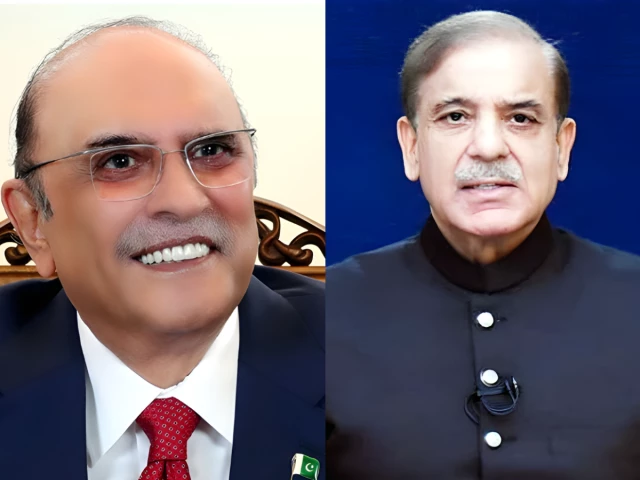
A combination picture of President Asif Ali Zardari (L) and Prime Minister Shehbaz Sharif (R). PHOTO: Radio Pakistan

President Asif Ali Zardari and Prime Minister Shehbaz Sharif on Sunday felicitated the Christian community in Pakistan and worldwide on the joyous occasion of Easter, according to Radio Pakistan.

The Christian community in Pakistan and around the world is celebrating Easter today with religious fervour and devotion in remembrance of the resurrection of Jesus Christ.

In his message on X, President Zardari said the day symbolised compassion, hope, renewal, rebirth, and the triumph of good over evil. He also praised the role of the Christian community across Pakistan, saying their contributions are integral to society and deserve recognition and respect.

In a separate message, PM Shehbaz said Easter carries a universal message of love and renewed hope for all humanity.

He added that the day embodies the values of sacrifice and forgiveness, as well as peace, tolerance, brotherhood, and goodwill, promoting social cohesion and interfaith harmony.

The premier further noted that the Christian community continues to play an active and invaluable role in the country’s economic and social development.

Interior Minister Mohsin Naqvi said the occasion symbolised hope, love, sacrifice, and new beginnings, urging the promotion of tolerance, mutual respect, and brotherhood. He reaffirmed the government’s commitment to protecting minority rights and ensuring the security of places of worship.

Pakistan Peoples Party (PPP) Chairman Bilawal Bhutto Zardari said Easter teaches faith, compassion, and sacrifice, and praised the Christian community for its contributions to education, health, defence, and national development.

He urged citizens to uphold unity, tolerance, and inclusivity, calling for a Pakistan that values diversity and ensures dignity, peace, and equal opportunities for all.

Sindh Chief Minister Murad Ali Shah described Easter as a symbol of religious harmony and brotherhood, reaffirmed the PPP government’s commitment to minority rights, and highlighted Sindh’s legacy of tolerance and Sufi values.

Punjab Chief Minister Maryam Nawaz said the Christian community is peaceful and respectable, continuing to contribute to the country’s development. She highlighted steps such as increased grants and the introduction of a Minority Card to provide financial assistance.

National Assembly Speaker Ayaz Sadiq said Easter conveys a universal message of love, hope, and peace, adding that religious festivals promote interfaith harmony and brotherhood. He reaffirmed parliament’s commitment to ensuring equal rights and opportunities for all citizens.

Also Read: Christian community celebrates Easter today

Special Easter services were held at churches from 8:30 am to 11:00 am, which were decorated with colourful flags and lights.

The government has implemented foolproof security arrangements for churches across the country, including all churches in Rawalpindi and Islamabad, even those in informal settlements.

Islamabad Capital Territory (ICT) Police remained on high alert, deploying personnel to ensure the safety of churches and worshippers on Easter, APP reported.

SSP Operations Qazi Ali Raza visited several locations, reviewed security arrangements, and instructed officers to maintain vigilance, monitor suspicious activities, and perform duties with professionalism.

He also emphasised treating worshippers respectfully while ensuring a secure environment.


Source link

Fighting climate change through the courtroom

0
Fighting climate change through the courtroom


Discover why the Law and Justice Commission held a conference to raise awareness about climate change


Climate change is a ‘hot’ button issue in Pakistan. Both literally and figuratively. Summer 2022’s disastrous floods submerged almost a third of the country under water, affecting 33 million people, and displacing eight million.

2024’s heatwave is currently in full swing, with the Pakistan Meteorological Department reporting that nationwide temperatures are five to six degrees Celsius above normal. This has led to a surge in heatwave-related casualties with over 568 dead, and more than 5000 hospitalised.

Apart from this, glaciers are rapidly melting, and forest fires have increased due to the harsh weather. In the backdrop of this fast-escalating crisis in the worlds fifth most climate-vulnerable country, the judiciary’s intervention is integral.

Recognising the importance of the climate crisis, the keen interest taken by Superior and District judiciary is highly commendable. First, a look at the recent Climate Change Conference organised by the Law and Justice Commission in the Supreme Court. It was attended and chaired by Chief Justice Qazi Faez Isa, Justice Mansoor Ali Shah and Justice Ayesha Malik.

The Chief Justice, called climate change an “Illness and sickness of the Earth, as a fever is to the human body.” He emphasised the importance of protection and preservation of natural life and the environment and urged the participants to play their part in spreading climate awareness.

Justice Mansoor Ali Shah, remarked that climate protection cases are still not mainstream and urged all judges to deal with them like serious human rights issues. He said it was time to go beyond human-centric approach and begin protecting nature.

Further, he encouraged the use of Alternative Dispute Resolution and Commercial Courts to solve climate issues. He gave the idea of a ‘Global Court’ as a forum for Pakistan to claim losses of $15-20 Billion as a result of the 2022 floods, attributed to fossil fuel emissions from the Developed nations.

Justice Ayesha Malik delivered an insightful presentation on Environmental Jurisprudence and its enforcement. She mentioned the Asghar Leghari case, where the court formed a commission to deal with an environmental protection case. She revealed that this case ultimately brought about the current Climate Change policy at the national level and even played a part in forming the Ministry of Climate Change.

Justice Ayesha informed the audience about the tools the court uses to deal with environmental protection cases like zoning laws, which are laws that limit the commercial or industrial use of land. She urged the courts to push for enforcement of climate laws.

The Justice also mentioned how women and vulnerable groups were most affected by climate change. Further, she talked about how the courts made use of Public-Private partnership, which played a pivotal role in helping the government fight climate change in public spaces where it lacks the requisite funding.

Lastly, she mentioned that courts play a huge role in battling climate change by the method of Calling for Reports and Information in cases related to climate change. This leads to the creation of reports, data and documentation.

Secondly, last week’s lecture at the Federal Judicial Academy, titled ‘Climate Causality: From Causation to Attribution’ conducted by Ms Petra Minnerop, the Founding Director of Durham University’s Centre for Sustainable Development Law and Policy (CSDLP), is also of profound importance.

Organised by Justice Mansoor Ali Shah (Supreme Court), Justice Jawad Hassan (Lahore High Court), and Judge Fakhar Zaman (Federal Judicial Academy), the lecture was attended by judges, magistrates and law officers from all over Pakistan.

Ms Minnerop discussed the importance of ‘Climate Causality’, which refers to the causal chain connecting climate change to losses. It plays a part in minimising the loss and damage from climate change, a duty recognised by courts, and enshrined in Art 8(1) of the Paris Agreement.

She explained how Causation and Attribution are intertwined legal concepts in global climate jurisprudence. The main obstacle faced by the courts is establishing causation.

The Professor went on to give examples of case law from around the world, from the United States, to France, to Phillipines. Cases were brought against both governments and corporations, alleging their complacency or direct involvement in exacerbating climate change.

For example, she explained how in the Australian case of Gloucester Resources Ltd VS Minister for Planning, a proposal for construction of an open-cut coal mine was rejected by a court on environmental grounds, including the projected carbon emissions that would arise from its operation. Such cases were highlighted to encourage the judiciary to take a proactive approach in cases related to climate change where the necessary criteria have been met.

She elucidated that evidence was crucial to prove a claim in climate litigation, citing the convergence of observation and climate models. The intensity of climate events confirmed by climate models, make or break a case.

The lecture followed a Question and Answer session, where a civil judge questioned Ms Minnerop as to why Pakistan was bearing the brunt of climate change alone while it was amongst the lowest contributors to carbon emissions worldwide.

Ms Minnerop replied that Pakistan was a signatory to the UN Framework Convention on Climate Change (UNFCCC), as well as among the more than 100 countries to pledge to curb methane emissions and deforestation at COP26.

She added that Pakistan was responsible to take a serious approach towards its nationally determined contribution and sustainable climate projects to collect the climate finances pledged by the Developed countries at COP28.

Further, she suggested that Pakistan needs to have verified data-sets available regarding climate change developments and needs to have proper legislation and research in place to take advantage of climate litigation as a useful tool in combatting climate change.

Ms Minneropended the lecture by thanking the judges and law officers for their interest and willingness to play a role in curbing climate change through their respective domains. This recent upsurge of awareness regarding Climate Change taken up by the nation’s judiciary is commendable and gives the citizens a hope for a clean, green and sustainable Pakistan.


Source link

Fuel reservoir hit at Russia’s Primorsk, NORSI refinery on fire after drone attacks

0
Fuel reservoir hit at Russia’s Primorsk, NORSI refinery on fire after drone attacks


Primorsk, one of the country’s largest export gateways, which can handle 1 million barrels per day

A satellite near-infrared image shows smoke rising from damaged oil storage tanks as they burn after a Ukrainian attack in Primorsk, Russia. PHOTO: REUTERS


MOSCOW:

Fuel leaked at Russia’s Baltic Sea port ‌of Primorsk, while NORSI oil refinery caught fire following a drone attack, Russian authorities said on Sunday.

Ukraine has stepped up its attacks on Russian energy infrastructure in the past month in an effort ​to inflict damage on Russia’s key source of revenue and undercut its military ​might.

The governor of north-western Leningrad region, Alexander Drozdenko, initially said a pipeline ⁠was damaged at Primorsk, one of Russia’s main oil exporting outlets.

He later said in ​a post on the Telegram messaging app that the pipeline was not damaged, but a ​fuel reservoir in the port area leaked when it was hit by shrapnel.

Primorsk, one of the country’s largest export gateways, which can handle 1 million barrels per day, lost at least 40% of ​its storage facilities in Ukrainian drone attacks last month, US commercial satellite images seen by ​Reuters showed on Thursday.

At some point last month, around 40% of Russia’s oil exporting capabilities were shut ‌down due ⁠to the attacks, the closure of the pipeline in Ukraine and the seizure of Russia-linked tankers.

Oil refinery on fire

Also on Sunday, the governor of Nizhny Novgorod region, Gleb Nikitin, said on Telegram that fire had broken out at Russia’s NORSI oil refinery, the country’s ​fourth-largest, after a drone ​attack, adding that ⁠two facilities at the plant were hit.

Read: UN to vote on Hormuz resolution as China opposes authorisation of force

He said a power station and several houses were damaged during the attack, although there were ​no injuries according to preliminary information.

NORSI, which is also Russia’s second-largest ​producer of ⁠gasoline, can process 16 million metric tons of oil per year, or around 320,000 barrels per day.

Andrey Kravchenko, the mayor of Novorossiysk city, Russia’s largest port on the Black Sea, ⁠said an ​air alert was in effect due to the incoming ​drone attack threat.

Oil loadings, including at the terminal that handles Kazakhstan oil exports from the Caspian Pipeline Consortium, ​are usually suspended during such alerts.


Source link

ہندوستان کی جنگ آزادی میں علماء و اسلامی مدارس کا کردار

0
ہندوستان کی جنگ آزادی میں علماء و اسلامی مدارس کا کردار


ہندوستان کی تحریک آزادی میں مسلمانوں خاص کر علما کا رول انتہائی اہمیت رکھتا ہے ساتھ ہی ساتھ مدارس اسلامیہ بھی اس میں شانہ بشانہ شامل تھے۔ جنگ آزادی کی داستان بہت طویل اور انتہائی دردناک ہے جس کا احاطہ ایک چھوٹے سے مقالہ میں ممکن نہیں۔ ہندوستان کی تحریک آزادی کی ایک سچی حقیقت یہ بھی ہے کہ علماے کرام نے اس جنگ کو جہاد کا نام دیا تھا، 1857ء میں علامہ فضل حق خیر آبادی، مولانا لیاقت اللہ الہٰ آبادی، مولانا احمد اللہ مدراسی وغیرہ وغیرہ علما نے فتویٰ جہاد دیا اور اس کی خوب تشہیر (Publicity)پورے ملک میں کی جس سے پورے ملک میں آزادی کی لہر دوڑ گئی۔ علماے کرام کے ساتھ ساتھ عام مسلمانوں نے بھی اس جنگ آزادی میں دل و جان سے حصہ لیا اور انتہائی درجہ کی تکلیفیں برداشت کیں اور ہزاروں علماے کرام کو انگریزوں نے جوش انتقام میں پھانسی پر لٹکا دیا اور علما نے بڑے عزم و حوصلہ سے مسکراتے ہوئے پھانسی کے پھندوں کو قبول کر لیا تب جاکر 15؍ اگست 1947ء کو ہندوستان کو آزادی ملی۔ اور آج ہم ہندوستان کی کھلی فضا میں سانس لے رہے ہیں۔

پر افسوس! اس وقت ہمارا ملک جس بحرانی دور سے گزر رہاوہ ہم سب پر عیاں ہے ۔فرقہ پرست عناصر اپنے عزائم کی تکمیل کے لیے نا قانون کا خیال کر رہے ہیں اور نا ہی انسانیت کے اصولوں کو مان رہے ہیں، اسلام اور مسلمانوں کو ہر ممکن نقصان پہنچا رہے ہیں۔ فرقہ پرست اور متعصب لوگ مدارس اسلامیہ اور مساجد و مسلمانوں کے خلاف ایک منظم تحریک چلائے ہوئے ہیں، جب سے مرکز میں بھارتیہ جنتا پارٹی کی حکومت بنی ہے، اس کے بعد سے مدارس، مساجد اور مسلمانوں کے کردار کو مسخ کیا جارہا ہے اور اسلامی تشخص کو ختم کرنے کی مہم میں زبردست شدت آئی ہوئی ہے۔ فرقہ پرست لیڈروں کے اشتعال انگیز بیانات نے مدرسوں کے وجود کے لئے خطرہ پیدا کر دیا ہے۔ گزشتہ 3؍جولائی 2015 کو حکومت مہاراشٹر کی جانب سے ریاست کے مدارس اسلامیہ کے متعلق جو فیصلہ آیا اس پر پورا ہندوستان تقریباً یک زبان ہوگیاکہ یہ فیصلہ مدارس کے خلاف ہے۔

کہا جارہاہے کہ مدرسوں کا وجود ملک کی سا لمیت کے لئے بڑا خطرہ ہے۔ وہاں دہشت گردوں کوپنا ہ دی جاتی ہے او ران کے تربیت کا اہتمام کیا جاتاہے۔ مزید یہ کہ ان جگہوں میں جہاد کے لئے ذہن سازی کی جاتی ہے اور ماحول تیار کیا جاتا ہے۔ لیکن ان جھوٹے اور شرمناک الزامات کے ٹھوس ثبوت تو کیا جزوی ثبوت بھی پیش نہیں کیے گئے۔ (اوران شاء اللہ قیامت تک نہ پیش کرسکیں گے)اس کے باوجود مختلف ذرائع ابلاغ، پرنٹ میڈیا اور الکٹرانک میڈیا سے مدرسوں کے خلاف شر انگیز مہم مسلسل جاری ہے۔ حقیقت تو یہ ہے کہ آزاد ہندوستان میں ان ہی مدارسِ اسلامیہ اور علمائے کرام کاکردار نمایاں تھا۔ ملک کو آزاد کرانے والے ان ہی مدارس کے پروردہ تھے۔ 1857ء میں انگریزوں نے ہندوستان سے اسلام کو نیست ونابود کرنے کا بگل بجا دیا تھا۔ ہزاروں علما تختۂ دار پر چڑھائے گئے تھے۔

جنگِ آزادی میں علماء کا کردار

یہ بڑا المیہ اور سانحہ ہے کہ آج ہماری نوجوان نسل بہت ہی کم جانتی ہے کہ جنگِ آزادی میں علما کا کوئی کردار و کارنامہ رہا ہے۔ جب کہ سچائی یہ ہے کہ انگریزوں نے ہندوستان کی حکومت مسلمانوں سے چھینا تھا اس لئے دوسری قوموں کے مقابلے میں مسلمانوں نے آزادی کے لئے بڑی بڑی قربانیاں پیش کیں۔ بڑے بڑے علمائے اسلام نے جنگ آزادی کا بگل بجایا اور خود پیش پیش رہے۔ جنگِ آزادی کے دوران اور شکست کے بعد گرفتار یوں کے وقت طرح طرح کی مصیبتیں اٹھائیں اور صابر و شاکر رہے اور ملک و ملت کے لئے اپنی جانیں قربان کرنے سے بھی پیچھے نہ ہٹے۔ ان عظیم المرتبت علمائے اسلام میں چند کا مختصر تذکرہ ملاحظہ فرمائیں۔

علامہ فضلِ حق خیرآبادی نے1857 کی تحریک میں نمایاں حصہ لیا۔ مسلمانوں کو عزت و آبرومندانہ زندگی بسر کرنے کے لئے ایک باقاعدہ جہاد کا فتویٰ تیا ر کیا۔ جگہ جگہ دورے کئے اور دہلی پہنچ گئے۔ مولانا فضل حق کے مشورے صرف لال قلعہ کی پوشیدہ مجلسوں تک محدود نہ تھے۔ وہ جنرل بخت خاں سے ملے، مشورے ہوئے۔ آخر میں بعد نماز جمعہ دلی کی جامع مسجد میں علما و عوام کے کثیر اژدہام کے سامنے زبردست تقریر کی اور فتویٰ پیش کیا۔ گرفتار ہوئے، مقدمہ چلا، انگریز ججوں کے سامنے پیش کئے گئے۔ جس مخبرنے عدالت میں مولانا پر اعتراض پیش کیا تھا آپ کی علمی ہیبت سے لرز اٹھا اور کہنے لگاکہ یہ وہ شخص نہیں ہے جس نے فتویٰ جہاد پر دستخط کیا تھا۔ علامہ نے بلا لو مۃ الائم انگریز کچہری کو للکارا اور کہامخبر جو بیان پہلے دے چکا ہے وہی صحیح ہے اور اب میری صورت دیکھ کر مرعوب ہوگیاہے اورجھوٹ بول رہا ہے۔ سنو، جہاد کا فتویٰ میں نے دیا ہے اور میں اب بھی اپنے فتویٰ پر قائم ہوں اور اس سلسلے میں میں نے اپنے فیصلہ سے سرمو انحراف نہیں کیا۔ دریائے شور(کالا پانی) کی سزا ہوئی۔ جزیرہ انڈمان بھیجے گئے جہاں انگریزوں نے آپ پر آپ کے ساتھیوں پر سخت ظلم و ستم ڈھایا۔ انڈمان میں ہی  12؍صفر 1227ھ کو آپ کا انتقال ہوا۔

حضرت مولانا کفایت علی کافی مرادآبادی:1857ء سے قبل آگرہ اکبر آباد میں قیام تھا۔ انگریزوں کے خلاف جہاد کا فتویٰ صادر فرمایا۔ بریلی کے اطراف میں جہاد کے لئے دورے کئے۔ حویلی مرادآباد میں فرنگی سامراج کے خلاف علمِ جہاد بلند فرمایا۔ جدھر آپ کا رخ ہوا برطانوی سامرج کو شکست کا سامنا ہوا۔ سلطان بہادر شاہ ظفر نے آپ کو دہلی بلایا اور جہاد کے لئے مشورے کئے۔ مولانا نے جنرل بخت خان، شیخ افضل صدیقی، شیخ بشارت علی خاں، مولانا سبحان علی، نواب مجدالدین، مولانا شاہ احمد اللہ مدراسی کی معیت میں مختلف محاذوں پر انگریزوں کوشکستیں دیں۔ رام پور، مرادآباد کے اکثر معرکے سر کئے۔ بالآخر انگریزوں نے 6؍رمضان 1274ھ/30؍اپریل 1858ء کو اپنے پٹھو کلال فخرالدین اور دیگر دغا بازوں کی سازش کے ذریعہ گرفتار کرکے مرادآباد جیل سے متصل بر سرعام تختہ دار پر لٹکادیا۔ پھانسی کے وقت مولانا مندرجہ ذیل اشعار ترنم سے بڑے ہی والہانہ انداز میں پڑھ رہے تھے۔

کوئی گل باقی رہے گا نہ چمن رہ جائے گا

پر رسول اللہ کا دین حسن رہ جائے گا

ہم سفیرو باغ میں ہے کوئی دم کے چہچہے

بلبلیں اڑ جائیں گی سونا چمن رہ جائے گا

اطلس و کمخواب کی پوشاک پر نازاں نہ ہو

اس تنِ بے جان پر خالی کفن رہ جائے گا

سب فنا ہوجائیں گے کافی ولیکن حشر تک

نعت حضرت کا زبانوں پہ سخن رہ جائے گا

مولانا رضا علی خان عابدی: مجدد دین و ملت امام احمد رضا خاں کے دادا بزرگوار نے فرنگی تسلط کے خلاف مجاہدین آزادی کے ساتھ تحریک آزادی میں بھر پور حصہ لیا۔ بریلی میں آپ کا مکان اور مسجد انقلابیوں کا مرکز تھا۔ مولانا عنایت احمد کا کوروی، نواب خان بہادر کی قیادت میں جگہ جگہ ان کے ساتھ رہے۔ جنرل ہڈسن نے آپ کا سر قلم کرنے کا انعام پانچ سو روپئے رکھا تھا۔ مشہور مورخ ملی سن لکھتا ہے:بریلی کے اندر لوگوں میں برطانوی حکام کے خلاف جو یورش پھیلی اس کے تمام تر ذمہ دار بخت خاں اور اس کا ساتھی ملا شاہ علی رضا علی ولد حافظ کا ظم علی تھے جو بریلی کے عوام کو برطانوی حکام کے خلاف مقابلہ کرنے پر بے حد بر افروختہ کیا۔ اگر ملا رضا بریلوی اپنے عقیدت مندوں سمیت ہمارا مقابلہ نہ کرتا تو بریلی شہر پر ہمارا قبضہ بالکل آسان تھا۔

*مولانا عبد الجلیل علی گڑھی :* تحریک آزادی 1857ء میں مجاہدین نے انگریزوں کو علی گڑھ سے بے دخل کر دیا تو قیادت کا بار مولانا عبد الجلیل علی گڑھی کے حوالے کیا گیا۔ دوبارہ انگریزوں نے علی گڑھ پر چڑھائی کی تو دشمن سے مقابلہ میں بہت سے مجاہدین شہید ہوگئے۔ مولانا عبد الجلیل بھی ان شہدا میں شامل تھے۔ جامع مسجد علی گڑھ میں دفن ہوئے۔ مولانا امام بخش صہبائی دہلوی، مولانا رحمت اللہ کیرانوی مہاجر مکی، مولانا ڈاکٹر وزیر خان بہاری، مولانا مظفر حسین کاندھلوی، مولانا رضی الدین بدایونی بھی جامع مسجد علی گڑھ میں مدفون ہوئے۔

مجاہد اعظم مولانا سید احمد اللہ شاہ مدراسی:

1857ء میں انگریزوں کے خلاف علمِ جہاد بلند کرکے تحریک کے قائد اعظم کی حیثیت سے بخت خان کے دست راست بن کر دہلی پہنچے۔ بخت خان کے مشورے سے علامہ فضل حق نے بعد نماز جمعہ جامع مسجد دہلی میں جہاد کی اہمیت پر شعلہ بار تقریر کی اور اس کے لئے فتویٰ جہاد مرتب کیا۔ مفتی صدرالدین آزردہ، ڈاکٹر وزیر خاں، سید مبارک شاہ، احمداللہ شاہ مدراسی نے اس پر اپنے دستخط کئے اور مختلف مقامات پر لڑائی میں شرکت کی۔ آگرہ میں انگریزی استبداد سے ٹکرائے پھر کانپور میں برطانوی اقتدار کے پرخچے اڑائے، پھر لکھنؤ میں محاذ فتح کئے اور جنرل کولن کیمبل کو دوبارہ شکست دی۔ پھر فیض آباد میں فرنگی سامراج کا ستیا ناس کیا۔ الغرض برطانوی اقتدار کے پرخچے اڑانے والوں میں آپ کا نام سر فہرست ہے۔ تن من دھن سب کچھ ملک و ملت پر نثار کرکے بالآخر شاہجہاں پور کے میدان کارزار میں داد شجاعت دیتے ہوئے 13؍ذیقعدہ 1275ھ کو جام شہادت نوش فرما گئے۔

مفتی صدرالدین خان آزردہ:

انگریزوں کا اقتدار بڑھتا دیکھا تو تحریکِ آزادی کا علم اٹھا کر فتویٰ جہاد نشر کیا۔ مجاہدین و اکابرین تحریکِ آزادی کی قیادت کی۔ عظیم الشان کتب خانہ جو زندگی بھر کی تلاش کا حاصل تھا فتویٰ جہاد پر دستخط کرنے کے جرم میں جائیداد کے ساتھ ضبط ہوگیا۔ گرفتار ہوئے۔ جائیدادتو مل گئی لیکن ظالم انگریزوں نے کتب خانہ واپس نہ کیا۔ شعر گوئی میں کمال رکھتے تھے۔ بروز جمعرات 24؍ربیع الاول 1285ھ بستی نظام الدین اولیا دہلی میں داعی اجل کو لبیک کہا۔

مفتی عنایت احمدکاکوروی:

علی گڑھ میں ہی انگریزی  سرکار میں مفتی و منصف کے منصب پر مقرر کئے گئے۔ ایک سال کے بعد بریلی تبادلہ ہوا جہاں اکابر علما و رہنما اصحاب کی سرکردگی میں تحریک انقلاب کی سلسلہ جنبانی جاری تھی۔ مفتی عنایت احمد بھی شب و روز بریلی کے انقلابی گروہ کی مشاورتی مجالس میں شرکت کرنے لگے اور نواب خان بہادر خان کی قیادت میں جہاد حریت تنظیم کے لئے سرگرم عمل ہوئے۔ روہیل کھنڈ اوربریلی مجاہدین آزادی کا عظیم مرکز تھا اور اس علاقہ میں اینٹی برٹش تحریک کے قائد امام احمد رضا کے دادا مولانا رضا علی خاں صاحب تھے۔ مجاہدین کے لئے کھانا اور سواری کے جانور کے انتظام میں وہ پیش پیش تھے۔ مجاہدین کے لشکر میں شامل ہوکر محاربات میں علما حصہ لینے لگے۔ جگہ جگہ خان بہادر خان کے دست راست بنے۔ کمال جرأت و ہمت سے لڑتے رہے۔ جنرل بخت خان بریلی پہنچے اور دارالتخت دہلی کے مرکزی محاذ پر شرکت کے لئے رام پور یوسف علی خان نے جنگ آزادی میں مجاہدین کی اعانت سے انکار کیا تو جنرل بخت خاں نے فوج کشی کردی۔ اس جنگ میں بھی مفتی عنایت احمدنے بڑھ چڑھ کر حصہ لیا۔ مولوی سرفراز علی صاحب کے مشورے سے مرادآباد ہوتے ہوئے دہلی گئے۔ وہاں ابھی تک ہنگامہِ کارزار گرم تھا۔ مفتی صاحب میدان شجاعت میں تیغ آزمائی بھی کرتے رہے اور مجلس مشاورت میں خاص طور سے شرکت فرمارہے۔ مفتی صاحب نے دوسرے رہنما ئے حریت کی معیت میں محاربہِ بریلی میں اول اول فتح حاصل کی لیکن وطن دشمن غداروں کی ناپاک حرکات کی وجہ سے بالآخر شکست کا سامنا کرنا پڑا۔ شہیدانِ حریت  کی  ارواح پر رحمت کے پھول نچھاور ہونے کی دعائے خیر کرتے ہوئے میدان سے رخصت ہوگئے۔ مفتی عنایت احمد صاحب انگریزی تسلط کے بعد گرفتار کر لئے گئے۔ کالا پانی کی سزا تجویز ہوئی۔ 1858ء میں کالا پانی بھیج دئے گئے۔ وہاں پہلے سے حضرت علامہ فضل حق خیرآبادی، مولانا مفتی مظہر کریم دریاآبادی موجود تھے۔ زنداں کی تکلیف اور غریبی الوطنی کے باوجود حفظ قرآن پاک بھی کیااور سیرت نبوی میں ’’حبیب اللہ‘‘ وغیرہ کتابوں کی مدد و مراجعت کی تالیف کی۔ 1277ھ/1860ء ایک انگریز افسر جس کی فرمائش پر دو دن زنداں تقویم بلدان ترجمہ کیا اور حافظ وزیر علی داروغہ جیل کی کوشش سے رہا کئے گئے۔ کاکوری میں تھوڑا عرصہ قیام کے بعد کانپور چلے آئے۔ اسی سال ’’مدرسہ فیض عام‘‘ قائم کیا۔ مولانا لطف اللہ علی گڑھی مشہور زمانہ عالم و بزرگ مدرسہ کے پہلے فارغ طالب علم تھے۔ 1279ھ میں بذریعہ پانی جہاز حج و زیارت کے ارادے سے روانہ ہوئے۔ 11؍شوال المکرم 1279ھ /17؍ اپریل 1863ء کو جہاز پہاڑ سے ٹکرا کر ڈوب گیا۔ مفتی صاحب حالتِ نماز احرام باندھے ہوئے غریقِ رحمت ہوئے۔ آپ کی کل تصانیف کی تعداد بیس ہے۔ (جنگ آزادی کے مشاہیر علمائے اہلِ سنت، مفتی مجاہد حسین حبیبی۔ آل انڈیا سیرت کولکاتا مغربی بنگال) ۔

تاریخ (History) کی اہمیت:

علامہ اقبال نے کہا ہے:

“جس طرح ایک شخص کی زندگی میں حافظہ (Memory) کی زبردست اہمیت ہے، حافظہ (یادداشت) اگر کم ہوجائے یا بالکل ختم ہوجائے تو اس کی زندگی اس کے لئے بے معنی ہوجائے گی۔ اس طرح ایک قوم یا ملت کی زندگی میں تاریخ کی زبردست اہمیت ہے۔ کیونکہ اگر اس کی تاریخ گم ہوجائے گی یا گمنامی میں چلی جائے گی، دفن ہوجائے گی تو اس قوم کی زندگی بھی بے معنی اور بے کار ہوکر رہ جائے گی “۔

انگریزوں کی چال، مدارس کا زوال، علما کا کمال

جنگِ آزادی کے وقت علم دین کے مراکز مدارسِ اسلامیہ اجڑنے لگے تھے۔ پھرباقاعدہ حکومت کے زیر نگرانی ان قلعوں پر یلغار کر دی گئی۔ عیسائی مشنریوں کا ایک سیلاب امڈ پڑا تھا جو ہندوستان کے بھولے بھالے اور ناواقف مسلمانوں کو اپنے دامِ فریب میں جکڑنے کی کوشش کر رہا تھا۔ اگر یہ مدارس اور ان کے فارغین یعنی علمانہ ہوتے، چھوٹے چھوٹے مکاتب، بڑے بڑے مدارسِ اسلامیہ اور عظیم الشان دینی ادارے نہ ہوتے تو شاید یہ لوگ اپنے فریب میں کامیاب ہوجاتے۔ اہلِ نظر، اہلِ علم جانتے ہیں کہ ہندوستان میں انگریزوں کی عمل داری سے پہلے دہلی، آگرہ، لاہور، ملتان، گجرات، جون پور، بریلی، لکھنؤ، خیرآباد، پٹنہ اسی طرح مدراس اور بنگال وغیرہ کے بہت سے مقامات میں مدارس علم و فن کا مرکز تھے جنہیں مسلمانوں نے چھ سو سال سے اپنے خونِ جگر سے سینچا تھا اور ان کے سلاطین و امرا نے ان کے پھیلانے میں اخراجات اور ضروریات کے لئے بڑی بڑی جائیدادیں اور اوقاف مقرر کئے تھے۔ (سید محبوب رضوی:تاریخ دیوبند/ ص،305، شائع کردہ :علمی مرکز دیوبند)

ہندوستان پر عملاً تسلط قائم کرلینے کے بعد انگریزوں نے پورے منصوبے بند طریقے پر قدیمی مدارس کے نظام کو تہ و بالا کر دیا اور بالواسطہ ایسی صورتیں اختیار کیں جن سے خاص طور پر مسلمانوں کے خالص دینی علوم روز بروز تنزل اور اضمحلال کا شکار ہوتے گئے۔ (جیسے آج حکومت ہند منصوبہ بند طریقے اختیار کر رہی ہے) ملکی زبانوں کی جگہ انگریزی ملک کی سرکاری زبان بن گئی اور حکومت کی سرپرستی میں قدیم مدارس کی جگہ نئے اسکولوں کو بالا دستی حاصل ہوگئی۔ ( سید محبوب رضوی: طبع دوم1972، تاریخ دیوبند /316، شائع کردہ :علمی مرکز، دیوبند)۔ دشمنانِ اسلام اس راز سے واقف ہیں کہ جب تک یہ سیدھا سادہ بوریہ پر بیٹھنے والا مولوی اس معاشرے میں موجود ہے، مسلمانوں کے دلوں سے ایمان نکالا اور کھرچا نہیں جا سکتا۔ لہٰذا دشمنانِ اسلام نے اس کے خلاف پروپیگنڈہ پھیلادیا ہے اور پوری مشینری لگائے ہوئے ہیں۔ مدارسِ اسلامیہ دین کے مضبوط قلعے ہیں۔ ہندوستان میں جو دینی تعلیم، دینی ماحول اور دینی فضا نظر آرہی ہے یہ ان ہی مدارس کی دین ہے۔ ان کی قدر کرنی چاہئے اور ان پر کسی طرح سے کوئی آنچ آئے تو مسلمانوں کو تڑپ جانا چاہئے۔ یہی مسلمانوں کی غیرت دینی کا تقاضہ بھی ہے۔ ضرورت اس بات کی ہے کہ ہم اپنے نوجوانوں کو آزادی کی داستانیں بتائیں، کتابیں پڑھوائیں جیسے’’ فضل حق سن 57‘‘، ’’ مسلمان مجاہدین‘‘ اور انگریز رائٹر مسٹر ایڈورڈ ٹامسن کی کتا ب ’’تصویر کا دوسرا رخ‘‘اور بہت سی کتابیں پڑھنے سے تعلق رکھتی ہیں۔ ہندوستان کی آزادی کی جنگ میں مسلمانوں کا بہت خون بہا ہے ان گنت داستانیں بھری ہیں ایک غیر مسلم رائٹر لکھتا ہے کہ ’’ ایک اندازہ کے مطابق 1857ء میں پانچ لاکھ مسلمانوں کو پھانسیاں دی گئیں۔ جو بھی مسلمان انگریزوں کے ہاتھ لگ گیا اس کو ہاتھی پر بیٹھایا گیا اور درخت کے نیچے لے گئے پھند ہ اس کی گردن میں ڈال کر ہاتھی کو آگے بڑھا دیا گیا، لاشیں پھندے میں جھول گئیں، آنکھیں ابل پڑیں، زبان منھ سے باہر نکل آئی‘‘(مسلمان مجاہدین، علمائے اہل سنت کی بصیرت و قیادت ص:70)۔ ہم سب کو چاہیئے کہ موجودہ حالات سے گھبرائیں نہیں، حالات پر کڑی نظر رکھیں اور حکمت و ایمانی بصیرت سے مردانہ وار مقابلہ کریں۔

 دنیا سے آج پوچھو، پیچھے نہیں تھے ہم                                      انگریز لے رہا تھا جب امتحاں ہمارا

 زد میں بھی گولیوں کی مقصد نہ ہم نےچھوڑا                              قیدوں میں بھی نہ بدلا عزم جواں ہمارا

 ریلوں میں، راستوں میں، جیلوں میں، محفلوں میں                      نعرہ تھا ہم کو دے دو ہندوستاں ہمارا

 سارے جہاں سے اچھا ہندوستاں ہمارا                                   ہم بلبلیں ہیں اس کی یہ گلستاں ہمارا

مسلمانوں کے تمام مسائل کا حل صرف تعلیم میں ہے۔ آرٹیکل 301میں کہا گیا ہے کہ ہر اقلیت چاہے وہ مذہبی یا لسانی ہو اسے یہ حق حاصل ہے کہ وہ اپنی مرضی کے مطابق تعلیمی ادارے قائم کرے او رچلائے۔ تعلیم ہی بے یارومددگار مسلم قوم کے لئے نسخۂ  کیمیا ہے اور اس کی بھی ذمہ داریاں قائدین اور علمائے کرام پر ہے۔ اللہ ہم تمام لوگوں کواپنی ذمہ داری لینے اور نبھانے کی توفیق عطا فرمائے۔ آمین! ثم آمین!!


Source link

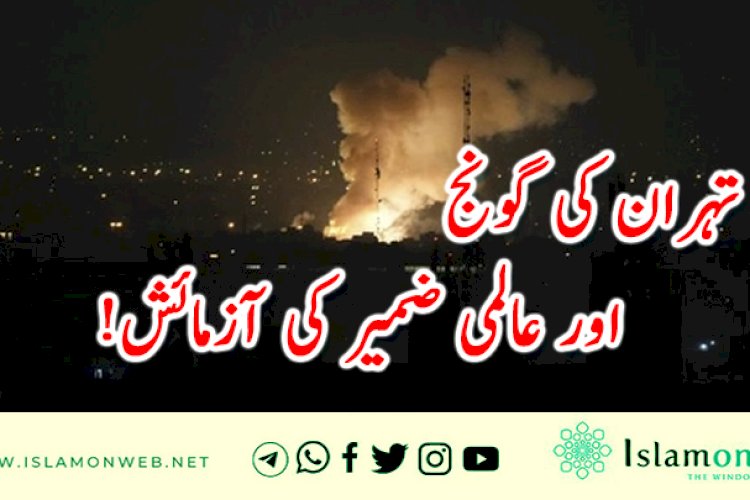
تہران کی گونج اور عالمی ضمیر کی آزمائش!

0
تہران کی گونج اور عالمی ضمیر کی آزمائش!


تہران کی گونج اور عالمی ضمیر کی آزمائش!

  عالمی سیاست کی بساط پر جب طاقت کے مہرے اپنی جگہ بدلتے ہیں تو ان کی آہٹ محض ایوانِ اقتدار تک محدود نہیں رہتی بلکہ اس کی گونج عام انسان کی زندگی تک پہنچتی ہے۔ بین الاقوامی تعلقات کی دنیا بظاہر سفارتی جملوں، معاہدوں اور بیانات سے عبارت دکھائی دیتی ہے، مگر اس کے پس منظر میں مفادات، خدشات اور طاقت کا وہ پیچیدہ جال بچھا ہوتا ہے جس کی معمولی سی جنبش بھی کسی خطے کو ہلا کر رکھ سکتی ہے۔ ایسے ہی نازک ماحول میں جب کسی اہم دارالحکومت سے زور دار دھماکے کی خبر موصول ہو تو وہ محض ایک مقامی واقعہ نہیں رہتا بلکہ عالمی منظرنامے کا حصہ بن جاتا ہے۔ حالیہ دنوں Tehran میں سنائی دینے والی دھماکے کی آواز نے اسی طرح کی تشویش کو جنم دیا ہے۔

   ابتدائی اطلاعات کے مطابق حکومت کی جانب سے ابھی تک اس دھماکے کی واضح وجہ جاری نہیں کی گئی، تاہم سیکیورٹی ادارے سرگرمِ عمل ہیں، حساس مقامات پر نگرانی بڑھا دی گئی ہے اور عوام کو محتاط رہنے کی ہدایات دی جا رہی ہیں۔ اس نوعیت کے واقعات میں سب سے پہلا ردعمل بے یقینی کا ہوتا ہے۔ لوگ سوال کرتے ہیں کہ کیا یہ حادثہ تھا، کسی تخریبی کارروائی کا نتیجہ تھا یا کسی بڑے سیاسی تصادم کا پیش خیمہ؟ جب تک حقائق مکمل طور پر سامنے نہ آئیں، قیاس آرائیاں فضا میں گردش کرتی رہتی ہیں۔ یہی صورت حال اس وقت بھی دیکھنے میں آ رہی ہے۔ یہ واقعہ ایسے وقت میں پیش آیا ہے جب Iran اور United States کے درمیان جوہری پروگرام کے مسئلے پر تناؤ میں اضافہ محسوس کیا جا رہا ہے۔ ایران اپنے جوہری پروگرام کو توانائی کی ضروریات اور سائنسی خود کفالت کا حصہ قرار دیتا ہے، جبکہ امریکہ اور اس کے بعض اتحادی اسے ممکنہ عسکری خطرے سے تعبیر کرتے ہیں۔ اسی اختلاف نے سفارتی بیانات، اقتصادی پابندیوں اور سیاسی دباؤ کو جنم دیا ہے۔ جب تعلقات پہلے ہی کشیدہ ہوں تو ہر غیر معمولی واقعہ ایک بڑے بحران کے تناظر میں دیکھا جانے لگتا ہے۔

   ایران اور امریکہ کے تعلقات کی تاریخ پر نگاہ ڈالی جائے تو یہ محض حالیہ برسوں کی کہانی نہیں بلکہ دہائیوں پر محیط ایک مسلسل اتار چڑھاؤ کی داستان ہے۔ 1979ء کے ایرانی انقلاب کے بعد دونوں ممالک کے درمیان جو فاصلے پیدا ہوئے وہ وقتی نہیں تھے۔ وقت کے ساتھ کبھی مذاکرات کی کوششیں ہوئیں، کبھی معاہدے سامنے آئے اور کبھی وہی معاہدے اختلافات کا شکار ہو گئے۔ اقتصادی پابندیوں نے ایران کی معیشت کو متاثر کیا، جبکہ ایران نے بھی اپنے مؤقف میں سختی دکھائی۔ اس کشمکش نے پورے خطے کو غیر یقینی کی کیفیت میں مبتلا رکھا ہے۔ جب عالمی طاقتیں آمنے سامنے ہوں تو ان کے اقدامات کا اثر صرف ان کی سرحدوں تک محدود نہیں رہتا۔ مشرقِ وسطیٰ پہلے ہی مختلف سیاسی اور عسکری تنازعات کا مرکز رہا ہے۔ ایسے میں کسی بھی نئے واقعے کو ایک بڑے جغرافیائی و سیاسی منظرنامے کا حصہ سمجھا جاتا ہے۔ توانائی کی عالمی منڈیاں، تیل کی قیمتیں، سفارتی اتحاد اور دفاعی حکمت عملیاں سب اس تناؤ سے متاثر ہوتی ہیں۔ دنیا چونکہ باہمی انحصار کے دور میں داخل ہو چکی ہے، اس لیے ایک خطے کی کشیدگی دوسرے خطوں کی معیشت اور سیاست پر بھی اثر انداز ہوتی ہے۔

   یہاں اصل سوال یہ پیدا ہوتا ہے کہ اگر کشیدگی بڑھتی ہے اور حالات جنگ کی طرف مائل ہوتے ہیں تو اس کا حاصل کیا ہے؟ کیا جنگیں واقعی مسائل کا حل فراہم کرتی ہیں یا وہ مزید پیچیدگیاں پیدا کرتی ہیں؟ تاریخ کا مطالعہ اس حقیقت کی گواہی دیتا ہے کہ جنگ کا آغاز سیاسی فیصلوں سے ہوتا ہے مگر اس کا بوجھ عوام اٹھاتے ہیں۔ دفاعی اخراجات میں اضافہ ہوتا ہے، ترقیاتی منصوبے متاثر ہوتے ہیں اور معیشت کا پہیہ سست روی کا شکار ہو جاتا ہے۔ جو وسائل تعلیم، صحت اور بنیادی ڈھانچے کی بہتری پر صرف ہونے چاہیے تھے وہ عسکری تیاریوں میں استعمال ہونے لگتے ہیں۔

   انسانی سطح پر جنگ کا اثر سب سے زیادہ المناک ہوتا ہے۔ ایک دھماکے کی آواز محض چند لمحوں کا شور نہیں بلکہ کئی خاندانوں کے لیے ایک نہ ختم ہونے والا کرب بن سکتی ہے۔ خوف کی فضا میں جینے والے شہری ذہنی دباؤ اور عدم تحفظ کا شکار ہوتے ہیں۔ بچے غیر یقینی ماحول میں پروان چڑھتے ہیں، نوجوانوں کے خواب متاثر ہوتے ہیں اور معاشرتی ہم آہنگی کمزور پڑ جاتی ہے۔ جنگ کے بعد اگرچہ تعمیرِ نو کا عمل شروع ہوتا ہے مگر جو جانیں ضائع ہو چکی ہوں اور جو اعتماد ٹوٹ چکا ہو، اسے بحال کرنا آسان نہیں ہوتا۔ کچھ حلقے یہ استدلال پیش کرتے ہیں کہ عسکری دباؤ بعض اوقات مخالف کو مذاکرات پر آمادہ کر دیتا ہے یا قومی سلامتی کو یقینی بنانے کا ذریعہ بنتا ہے۔ وقتی طور پر ایسا ممکن بھی ہو سکتا ہے کہ کسی ملک کو سفارتی برتری حاصل ہو جائے یا اسے اپنی پوزیشن مضبوط کرنے کا موقع مل جائے۔ مگر یہ فائدے عارضی ہوتے ہیں۔ اس کے مقابلے میں معاشی نقصان، سماجی بے چینی اور سیاسی عدم استحکام طویل المدت اثرات رکھتے ہیں۔ جنگ نفرت کے بیج بوتی ہے اور بد اعتمادی کو مضبوط کرتی ہے، جس کے نتیجے میں آنے والی نسلیں بھی اس کے اثرات محسوس کرتی ہیں۔

     تہران میں سنائی دینے والی دھماکے کی آواز کی اصل حقیقت جب سامنے آئے گی تو یقیناً اس کے سیاسی اور سیکیورٹی پہلوؤں پر تفصیلی بحث ہوگی۔ مگر اس واقعے نے ایک بار پھر یہ سوچنے پر مجبور کر دیا ہے کہ طاقت کے اس مسلسل کھیل کا انجام کیا ہے۔ کیا عالمی برادری کے پاس اختلافات کو حل کرنے کے لیے سفارت کاری، مذاکرات اور باہمی احترام کا راستہ موجود نہیں؟ کیا بارود ہی واحد زبان رہ گئی ہے جسے سمجھا جاتا ہے؟ اگر ماضی کے تجربات سے سبق لیا جائے تو معلوم ہوتا ہے کہ پائیدار امن ہمیشہ مکالمے اور مفاہمت سے حاصل ہوا ہے، نہ کہ طاقت کے تصادم سے۔ آخرکار یہ حقیقت واضح ہوتی ہے کہ جنگوں کا حقیقی فائدہ عام انسان کو نہیں پہنچتا۔ اگر کسی فریق کو وقتی سیاسی یا عسکری برتری مل بھی جائے تو وہ مستقل خوشحالی کی ضمانت نہیں بنتی۔ اس کے برعکس انسانی جانوں کا ضیاع، معاشی کمزوری اور سماجی انتشار ایسی حقیقتیں ہیں جو دہائیوں تک قوموں کا پیچھا نہیں چھوڑتیں۔ دنیا کو اگر ترقی، استحکام اور باہمی احترام کی بنیاد پر آگے بڑھنا ہے تو اسے تصادم کے بجائے تعاون کا راستہ اختیار کرنا ہوگا۔ تہران کی فضا میں گونجنے والی یہ آواز دراصل عالمی ضمیر کے لیے ایک تنبیہ ہے۔ یہ یاد دہانی ہے کہ طاقت کے مظاہرے وقتی سناٹا تو پیدا کر سکتے ہیں مگر حقیقی سکون اور پائیدار استحکام صرف امن سے حاصل ہوتا ہے۔ اگر عالمی قیادتیں تاریخ کے سبق کو سمجھ لیں اور مفادات کے بجائے انسانیت کو مقدم رکھیں تو شاید آنے والے دن بارود کی بو کے بجائے مکالمے کی خوشبو سے معطر ہوں۔ یہی وہ راستہ ہے جو قوموں کو خوف سے نکال کر اعتماد کی طرف لے جا سکتا ہے اور یہی وہ سبق ہے جو ہر دھماکے کی گونج ہمیں سنانا چاہتی ہے۔

  اگر وسیع تر تناظر میں دیکھا جائے تو Iran اور United States کے درمیان جاری کشمکش محض جوہری پروگرام یا سفارتی اختلاف تک محدود نہیں بلکہ یہ طاقت، خود مختاری، سلامتی اور عالمی بالادستی کے پیچیدہ سوالات سے جڑی ہوئی ہے۔ مگر ان تمام بڑی بڑی اصطلاحات کے پیچھے ایک سادہ حقیقت چھپی ہوتی ہے اور وہ یہ کہ ہر کشیدگی کا سب سے گہرا اثر عام انسان کی زندگی پر پڑتا ہے۔ وہی انسان جو نہ سفارتی میز پر موجود ہوتا ہے، نہ عسکری حکمت عملی طے کرتا ہے، مگر ہر فیصلے کا بوجھ اسی کے حصے میں آتا ہے۔ جنگ کی فضا جب بنتی ہے تو سب سے پہلے خوف جنم لیتا ہے۔ خوف معیشت کو کمزور کرتا ہے، خوف اعتماد کو کھوکھلا کرتا ہے اور خوف ہی وہ کیفیت ہے جو قوموں کو اندر سے تقسیم کر دیتی ہے۔ سرمایہ کار پیچھے ہٹ جاتے ہیں، نوجوانوں کے منصوبے مؤخر ہو جاتے ہیں اور ریاستی وسائل دفاعی تیاریوں میں صرف ہونے لگتے ہیں۔ یوں ایک ملک جو ترقی، تعلیم اور تحقیق کی راہ پر گامزن ہو سکتا تھا، وہ غیر یقینی کے اندھیروں میں الجھ جاتا ہے۔ یہ وہ نقصان ہے جو اعداد و شمار میں مکمل طور پر ظاہر نہیں ہوتا مگر نسلوں تک محسوس کیا جاتا ہے۔ جنگ کا وقتی فائدہ اگر کسی کو دکھائی بھی دے تو وہ دراصل ایک سطحی تاثر سے زیادہ نہیں ہوتا۔ عسکری برتری یا سفارتی دباؤ وقتی طور پر کسی فریق کو مضبوط دکھا سکتا ہے، مگر تاریخ گواہ ہے کہ پائیدار امن طاقت کے زور سے قائم نہیں ہوتا۔ طاقت خاموشی تو پیدا کر سکتی ہے، دلوں میں اطمینان نہیں۔ بارود سناٹا تو لا سکتا ہے، اعتماد نہیں۔ یہی وجہ ہے کہ ہر بڑی جنگ کے بعد بالآخر مذاکرات کی میز ہی سجتی ہے، اور وہی گفتگو ہوتی ہے جو ابتدا میں کی جا سکتی تھی۔

   تہران کی اس حالیہ صورتِ حال نے ایک بار پھر یہ سوال زندہ کر دیا ہے کہ کیا دنیا نے ماضی کے تجربات سے کوئی سبق سیکھا ہے؟ کیا عالمی قیادتیں یہ سمجھنے کو تیار ہیں کہ تصادم کا راستہ خواہ کتنا ہی پرکشش کیوں نہ لگے، اس کا انجام اکثر طویل المدت عدم استحکام پر ہوتا ہے؟ اگر اختلافات کو برداشت، مکالمے اور باہمی احترام کے ذریعے حل کیا جائے تو نہ صرف خطہ بلکہ پوری دنیا ایک بڑے بحران سے بچ سکتی ہے۔ کیونکہ آج کی دنیا باہم مربوط ہے، ایک ملک کی کشیدگی دوسرے ملک کی معیشت اور سیاست کو بھی متاثر کرتی ہے۔ یہ بھی حقیقت ہے کہ قومی سلامتی ہر ریاست کا بنیادی حق ہے، مگر سلامتی کا تصور صرف عسکری طاقت تک محدود نہیں ہونا چاہیے۔ حقیقی سلامتی اس وقت حاصل ہوتی ہے جب عوام کو روزگار میسر ہو، تعلیمی ادارے آباد ہوں، صحت کا نظام مضبوط ہو اور معاشرہ امید کے ساتھ آگے بڑھ رہا ہو۔ اگر جنگ کا سایہ ان تمام شعبوں پر چھا جائے تو وہ سلامتی بھی ادھوری رہ جاتی ہے جس کے نام پر یہ سب کچھ کیا جاتا ہے۔ لہٰذا! طاقت کے مظاہرے وقتی تاثر ضرور پیدا کرتے ہیں مگر تاریخ میں اصل کامیابی ان قوموں کے حصے میں آئی ہے جنہوں نے صبر، حکمت اور سفارت کاری کو ترجیح دی۔ آج جب عالمی سیاست ایک بار پھر نازک موڑ پر کھڑی ہے تو ضرورت اس بات کی ہے کہ قیادتیں اپنی ترجیحات پر نظرِ ثانی کریں اور انسانیت کو مفادات پر مقدم رکھیں۔ اختلافات ہر دور میں رہے ہیں اور آئندہ بھی رہیں گے، مگر ان کا حل بارود میں تلاش کرنا دراصل مستقبل کو خطرے میں ڈالنے کے مترادف ہے۔ تہران کی فضا میں گونجنے والی آواز اگرچہ وقتی ہے، مگر اس کی بازگشت ہمیں ایک دائمی پیغام دیتی ہے۔ وہ پیغام یہ ہے کہ امن کمزوری نہیں بلکہ دور اندیشی کی علامت ہے۔ مکالمہ پسپائی نہیں بلکہ حکمت کی نشانی ہے۔ اور تعاون تصادم سے کہیں زیادہ مضبوط بنیاد فراہم کرتا ہے۔ اگر عالمی برادری اس سچائی کو دل سے تسلیم کر لے تو شاید آنے والے برسوں میں دھماکوں کی خبریں کم اور ترقی و تعاون کی داستانیں زیادہ سنائی دیں۔ یوں یہ واقعہ ہمیں صرف ایک لمحاتی سنسنی نہیں دیتا بلکہ ایک فکری چیلنج بھی پیش کرتا ہے۔ کیا ہم طاقت کے شور میں گم رہیں گے یا عقل و تدبر کی آواز سنیں گے؟ کیا ہم تصادم کی راہ پر چلتے رہیں گے یا امن کی جانب قدم بڑھائیں گے؟ تاریخ کا پہیہ چلتا رہے گا، مگر قوموں کی عظمت کا فیصلہ ان کے انتخاب سے ہوگا۔ اور اگر انتخاب امن، مکالمے اور انسانیت کے حق میں ہو تو یہی سب سے بڑی کامیابی اور سب سے مستحکم فائدہ ہوگا۔


Source link

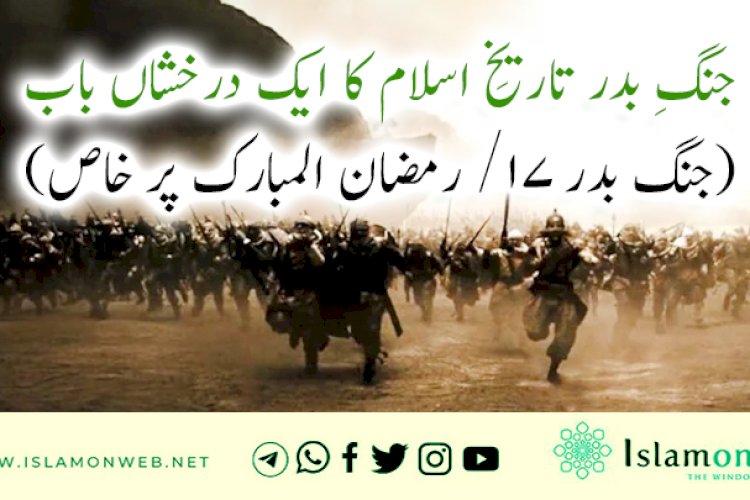
جنگِ بدر تاریخِ اسلام کا ایک درخشاں باب (جنگ بدر ۱۷/ رمضان المبارک پر خاص)

0
جنگِ بدر تاریخِ اسلام کا ایک درخشاں باب (جنگ بدر ۱۷/ رمضان المبارک پر خاص)


جنگِ بدر تاریخِ اسلام کا ایک درخشاں باب (جنگ بدر ۱۷/ رمضان المبارک پر خاص)

اسلامی تاریخ میں بعض ایام ایسے ہیں جو صرف تاریخ کے صفحات تک محدود نہیں رہتے بلکہ وہ ایمان و یقین کی شمعیں روشن کر کے آنے والی نسلوں کے لیے رہنمائی کا چراغ بن جاتے ہیں۔ ماہ رمضان المبارک کا سترہواں دن بھی انہی مبارک ایام میں سے ایک ہے جسے تاریخِ اسلام میں غیر معمولی عظمت و رفعت حاصل ہے۔ یہ وہ دن ہے جب حق و باطل کے درمیان پہلا عظیم معرکہ برپا ہوا اور جسے دنیا غزوہ بدر کے نام سے جانتی ہے۔ یہ جنگ محض تلواروں کی جھنکار اور لشکروں کے تصادم کا نام نہیں بلکہ یہ دراصل ایمان و یقین، صبر و استقامت اور نصرتِ الٰہی کی جلوہ گری کا ایسا روشن باب ہے جس نے اسلامی تاریخ کا رخ بدل دیا۔ اس معرکے نے دنیا کو یہ پیغام دیا کہ جب بندگانِ خدا اپنے رب پر کامل اعتماد اور رسولِ ہاشمی صلی الله علیہ وسلم کی قیادت پر کامل یقین کے ساتھ میدان میں اترتے ہیں تو قلیل وسائل اور محدود طاقت کے باوجود الله تعالیٰ کی مدد ان کے شاملِ حال ہو جاتی ہے اور ناممکن کو ممکن بنا دیتی ہے۔ رمضان المبارک کی وہ بابرکت صبح تھی جب مدینہ منورہ کی فضائیں ذکر و دعا سے معطر تھیں۔ سترہ رمضان کو فجر کی نماز کے بعد رسولِ اکرم ﷺ نے اپنے جاں نثار صحابہ کرام رضوان الله علیہم اجمعین کو جمع فرمایا۔ آپ ﷺ نے انہیں جہاد کی تلقین فرمائی، ان کے قلوب میں ایمان کی حرارت کو مزید بیدار کیا اور ایک ایسی حکمتِ عملی مرتب فرمائی جس میں تدبیر بھی تھی اور توکل بھی۔ یہ ایک حقیقت ہے کہ اس وقت مسلمانوں کی حالت ظاہری اسباب کے اعتبار سے انتہائی کمزور تھی۔ ان کے پاس نہ تو وافر اسلحہ تھا، نہ جنگی ساز و سامان اور نہ ہی افرادی قوت کی کثرت۔ کل تین سو تیرہ مجاہدین تھے جن میں چند گھوڑے اور چند اونٹ تھے جبکہ دوسری طرف قریشِ مکہ کا لشکر ایک ہزار کے قریب جنگجوؤں پر مشتمل تھا جن کے پاس اسلحہ، گھوڑے، زرہیں اور دیگر جنگی وسائل کی فراوانی تھی۔ مگر ایمان و یقین کے پیمانے پر دیکھا جائے تو حقیقت اس کے بالکل برعکس تھی کیونکہ ایک طرف تکبر و غرور سے لبریز لشکر تھا اور دوسری جانب ایمان و اخلاص سے سرشار وہ جماعت تھی جس کی قیادت سرورِ کائنات ﷺ فرما رہے تھے۔ رسولِ اکرم ﷺ نے میدانِ بدر میں اپنے دستِ مبارک میں ایک تیر لیا ہوا تھا اور اسی کے اشارے سے آپ مجاہدینِ اسلام کی صفیں درست فرما رہے تھے۔ یہ منظر اپنے اندر روحانی عظمت اور عسکری نظم و ضبط کا حسین امتزاج رکھتا تھا۔ آپ ﷺ نے لشکرِ اسلام کے جھنڈے مختلف قبائل کے معزز صحابہ کے سپرد فرمائے۔ مہاجرین کا علم حضرت مصعب بن عمیر رضی الله عنہ کو عطا فرمایا، انصار میں سے قبیلہ خزرج کا علم حضرت حباب بن منذر رضی الله عنہ کو اور قبیلہ اوس کا علم حضرت سعد بن معاذ رضی الله عنہ کے حوالے کیا۔ اس طرح اسلامی لشکر پوری سنجیدگی اور نظم کے ساتھ صف آرا ہو گیا۔

    دوسری طرف مشرکینِ مکہ کا لشکر اپنی کثرتِ تعداد اور ظاہری شان و شوکت کے غرور میں مبتلا تھا۔ وہ نسلی تفاخر اور جاہلی عصبیت کے نعرے لگاتے ہوئے میدان میں اترا تھا اور اسے یقین تھا کہ ایک مختصر اور بے سروسامان جماعت اس کے سامنے زیادہ دیر تک ٹھہر نہیں سکے گی۔ لیکن اس معرکے کی اصل طاقت نہ تلواریں تھیں اور نہ نیزے بلکہ اس کی اصل قوت وہ دعا تھی جو رحمتِ عالم ﷺ کے لبوں سے بارگاہِ الٰہی میں عرض کی جا رہی تھی۔ جب آپ ﷺ نے اپنے جاں نثار صحابہ کو دیکھا اور ان کی قلیل تعداد اور بے سروسامانی پر نظر ڈالی تو آپ کا قلبِ مبارک بارگاہِ رب العزت میں جھک گیا۔ آپ ﷺ نے نہایت عاجزی اور تضرع کے ساتھ دعا فرمائی: اے الله! تو نے مجھ سے جو وعدہ فرمایا ہے اسے پورا فرما۔ اے اللہ! اگر آج یہ مٹھی بھر جماعت ہلاک ہو گئی تو روئے زمین پر تیری عبادت کرنے والا کوئی باقی نہیں رہے گا۔ یہ دعا دراصل اس یقینِ کامل کا اظہار تھی جو الله تعالیٰ کی نصرت پر رسولِ اکرم ﷺ کے دل میں موجزن تھا۔ الله تعالیٰ نے اپنے محبوب کی اس عاجزانہ فریاد کو شرفِ قبولیت بخشا اور قرآنِ کریم میں ارشاد فرمایا کہ اس نے مسلمانوں کی مدد کے لیے ایک ہزار فرشتے نازل فرمائے۔ سورہ انفال میں اس نصرتِ غیبی کا ذکر بڑی وضاحت کے ساتھ موجود ہے جس سے معلوم ہوتا ہے کہ الله تعالیٰ اپنے بندوں کو کبھی تنہا نہیں چھوڑتا جب وہ اخلاص کے ساتھ اس پر بھروسا کرتے ہیں۔

    جب جنگ کا آغاز ہوا تو بظاہر تمام تر اسباب کفارِ مکہ کے حق میں تھے لیکن مسلمانوں کے دلوں میں جو ایمان کی روشنی تھی وہ ہر ظاہری طاقت پر غالب آ گئی۔ صحابہ کرام رضوان الله علیہم اجمعین نے بے مثال شجاعت، جرات اور استقامت کا مظاہرہ کیا۔ ان کے دلوں میں شہادت کی آرزو اور دینِ حق کی سربلندی کا جذبہ موجزن تھا۔ وہ اس یقین کے ساتھ میدان میں اترے تھے کہ اگر فتح نصیب ہوئی تو دین کی عزت بلند ہو گی اور اگر شہادت ملی تو جنت کی دائمی نعمتیں ان کا مقدر بنیں گی۔ چنانچہ اس ایمانی قوت کے سامنے کفارِ مکہ کی ظاہری طاقت زیادہ دیر تک ٹھہر نہ سکی۔ جنگ کے دوران قریش کے بڑے بڑے سردار مارے گئے جن میں ابو جہل، عتبہ بن ربیعہ، شیبہ بن ربیعہ اور امیہ بن خلف جیسے نام شامل تھے۔ ان کی ہلاکت کے ساتھ ہی قریش کی صفوں میں بھگدڑ مچ گئی اور وہ میدان چھوڑ کر فرار ہونے لگے۔ اس طرح الله تعالیٰ نے اپنے وعدے کو سچ کر دکھایا اور مسلمانوں کو ایسی عظیم فتح نصیب ہوئی جس نے تاریخ کا رخ بدل دیا۔ غزوہ بدر محض ایک جنگ نہیں تھی بلکہ یہ ایمان اور یقین کی وہ عملی تفسیر تھی جس نے دنیا کو یہ سبق دیا کہ کامیابی کا اصل راز الله تعالیٰ پر کامل توکل اور اس کے دین کے لیے اخلاص کے ساتھ جد وجہد کرنے میں ہے۔ اس معرکے نے مسلمانوں کو یہ بھی سکھایا کہ جب کسی قوم کے دلوں میں ایمان کی حرارت زندہ ہو۔ جب اس کے افراد میں قربانی کا جذبہ موجزن ہو اور جب وہ الله تعالیٰ کی رضا کو اپنی زندگی کا مقصد بنا لیں تو دنیا کی کوئی طاقت انہیں شکست نہیں دے سکتی۔

   غزوہ بدر کا ایک اہم پہلو یہ بھی ہے کہ اس نے اسلامی ریاست کی بنیاد کو مضبوط کیا۔ اس فتح کے بعد مدینہ کی اسلامی حکومت کو ایک نئی قوت اور وقار حاصل ہوا۔ عرب کے قبائل پر یہ واضح ہو گیا کہ اسلام محض ایک مذہبی دعوت نہیں بلکہ ایک زندہ اور متحرک قوت ہے جس کے پیچھے الله تعالیٰ کی تائید و نصرت موجود ہے۔ یہی وجہ ہے کہ اس کے بعد اسلام کی دعوت تیزی سے پھیلنے لگی اور دیکھتے ہی دیکھتے عرب کے مختلف قبائل اس کے زیرِ اثر آنے لگے۔ یہ معرکہ اہلِ ایمان کے لیے ہمیشہ ایک زندہ سبق کی حیثیت رکھتا ہے۔ یہ ہمیں یاد دلاتا ہے کہ کامیابی صرف اسباب و وسائل کی فراوانی کا نام نہیں بلکہ اصل کامیابی ایمان کی پختگی، نیت کی اخلاص اور الله تعالیٰ پر کامل اعتماد میں پوشیدہ ہے۔ جو لوگ محض مادی وسائل کو سب کچھ سمجھتے ہیں اور غیبی امداد یا معجزات کے بارے میں شکوک و شبہات کا شکار رہتے ہیں انہیں چاہیے کہ وہ غزوہ بدر کے واقعات کو گہرائی سے پڑھیں۔ انہیں معلوم ہو جائے گا کہ مسبب الاسباب کی قدرت انسانی حساب و کتاب سے کہیں زیادہ وسیع اور غیر محدود ہے۔ درحقیقت بدر کی فتح نے یہ حقیقت ہمیشہ کے لیے ثبت کر دی کہ جب بندہ اپنی کمزوریوں کا اعتراف کرتے ہوئے ربِ کائنات کے سامنے جھک جاتا ہے تو پھر آسمانوں سے نصرت کے دروازے کھل جاتے ہیں۔ یہی وہ پیغام ہے جو بدر کے میدان سے قیامت تک آنے والی نسلوں کو ملتا رہے گا کہ ایمان، اخلاص، صبر اور توکل وہ قوتیں ہیں جو ناممکن کو ممکن بنا دیتی ہیں۔ یہی وہ روحانی طاقت ہے جس کے سہارے ایک کمزور جماعت نے ایک عظیم طاقت کو شکست دی اور تاریخ میں ہمیشہ کے لیے سربلند ہو گئی۔

   غزوہ بدر کا یہ تابناک واقعہ صرف ماضی کی ایک تاریخی داستان نہیں بلکہ ہر دور کے مسلمانوں کے لیے ایک زندہ پیغام اور دائمی درس رکھتا ہے۔ اس معرکے کی گونج ہمیں یہ احساس دلاتی ہے کہ تاریخ میں وہی قومیں سرخرو ہوتی ہیں جو اپنے ایمان کی قوت کو زندہ رکھتی ہیں، اپنے مقصد سے وفادار رہتی ہیں اور اپنے رب پر کامل بھروسا کرتی ہیں۔ بدر کے میدان میں مسلمانوں کی قلیل تعداد، محدود وسائل اور بظاہر کمزور ظاہری حالت اس حقیقت کو نمایاں کرتی ہے کہ کامیابی کا اصل معیار مادی اسباب کی کثرت نہیں بلکہ روحانی طاقت اور اخلاص کی گہرائی ہے۔ جب انسان اپنے رب کے حضور جھک جاتا ہے، اپنی کمزوریوں کا اعتراف کرتا ہے اور اس کی نصرت پر کامل یقین رکھتا ہے تو پھر ناممکن راستے بھی آسان ہو جاتے ہیں اور شکست کے سائے فتح کی روشنی میں بدل جاتے ہیں۔ بدر کا معرکہ ہمیں یہ سبق بھی دیتا ہے کہ دین کی سربلندی کے لیے قربانی اور استقامت بنیادی شرط ہے۔ صحابہ کرام رضوان الله علیہم اجمعین نے اپنے جان و مال، آرام و آسائش اور ذاتی مفادات کو دین کی خاطر قربان کرنے میں کوئی تامل نہیں کیا۔ ان کے سامنے نہ دنیاوی مفاد تھا اور نہ ہی کسی مادی فائدے کی امید، بلکہ ان کی نگاہ صرف الله تعالیٰ کی رضا اور اس کے رسول صلی الله علیہ وسلم کی اطاعت پر مرکوز تھی۔ یہی خلوص اور یہی بے لوث جذبہ تھا جس نے انہیں تاریخ کے افق پر ہمیشہ کے لیے روشن کر دیا۔ آج کے مسلمان کے لیے یہ واقعہ ایک آئینہ ہے جس میں وہ اپنی حالت کا جائزہ لے سکتا ہے کہ آیا اس کے اندر بھی وہی اخلاص، وہی قربانی اور وہی توکل موجود ہے جو بدر کے مجاہدین کے دلوں میں موجزن تھا۔ اس معرکے کا ایک اہم درس اتحاد و نظم کا بھی ہے۔ رسولِ اکرم ﷺ نے جس حکمت و بصیرت کے ساتھ لشکرِ اسلام کی صف بندی فرمائی اور جس نظم و ضبط کے ساتھ مجاہدین کو منظم کیا وہ اس بات کی دلیل ہے کہ کامیابی کے لیے روحانی قوت کے ساتھ عملی تدبیر بھی ضروری ہے۔ اسلام محض جذباتی جوش کا نام نہیں بلکہ حکمت، بصیرت اور نظم و ضبط کا بھی درس دیتا ہے۔ بدر میں مسلمانوں نے نہ صرف اپنے ایمان کی طاقت دکھائی بلکہ عملی حکمتِ عملی اور اجتماعی نظم کا بھی بہترین مظاہرہ کیا۔ اگر امتِ مسلمہ اپنے اندر اتحاد پیدا کر لے، باہمی اختلافات کو پسِ پشت ڈال دے اور ایک مقصد کے تحت منظم ہو جائے تو وہ ہر طرح کی مشکلات اور چیلنجز کا مقابلہ کر سکتی ہے۔ بدر ہمیں یہ حقیقت بھی یاد دلاتا ہے کہ غرور و تکبر ہمیشہ شکست کا سبب بنتا ہے۔ قریشِ مکہ اپنے لشکر کی کثرت، اپنے اسلحے کی فراوانی اور اپنی ظاہری طاقت کے گھمنڈ میں مبتلا تھے۔ وہ سمجھتے تھے کہ ان کے سامنے کوئی طاقت ٹھہر نہیں سکتی۔ لیکن تاریخ نے ثابت کر دیا کہ جب غرور انسان کی آنکھوں پر پردہ ڈال دیتا ہے تو وہ حقیقت کو دیکھنے سے محروم ہو جاتا ہے اور بالآخر شکست اس کا مقدر بن جاتی ہے۔ اس کے برعکس مسلمانوں کے دل عاجزی، توکل اور اخلاص سے لبریز تھے اور یہی صفات انہیں اللہ کی نصرت کا مستحق بنا گئیں۔

   آج کے دور میں جب مسلمان دنیا کے مختلف حصوں میں مختلف آزمائشوں اور چیلنجوں کا سامنا کر رہے ہیں تو بدر کا واقعہ انہیں حوصلہ اور امید کا پیغام دیتا ہے۔ یہ معرکہ ہمیں یاد دلاتا ہے کہ حالات چاہے کتنے ہی دشوار کیوں نہ ہوں، اگر ایمان کی شمع دلوں میں روشن رہے، اگر الله تعالیٰ پر بھروسا قائم رہے اور اگر مقصد کی پاکیزگی برقرار رہے تو پھر کامیابی کا راستہ ضرور کھلتا ہے۔ بدر کی تاریخ ہمیں مایوسی سے نکال کر امید کی طرف بلاتی ہے اور ہمیں یہ یقین دلاتی ہے کہ الله تعالیٰ کی نصرت ہمیشہ ان لوگوں کے ساتھ ہوتی ہے جو سچائی اور حق کے راستے پر ثابت قدم رہتے ہیں۔ لہٰذا آج کے مسلمان کے لیے بدر کا پیغام یہی ہے کہ وہ اپنے ایمان کو مضبوط بنائے، اپنے کردار کو پاکیزہ کرے، اپنے اندر اخلاص اور تقویٰ پیدا کرے اور اللہ تعالیٰ پر کامل توکل کے ساتھ زندگی گزارے۔ جب فرد کا ایمان مضبوط ہوگا اور معاشرہ اخلاص و دیانت کی بنیاد پر استوار ہوگا تو پھر وہی روحانی قوت دوبارہ پیدا ہو سکتی ہے جس نے بدر کے میدان میں تاریخ کا دھارا بدل دیا تھا۔ درحقیقت بدر کی فتح ہمیں یہ بتاتی ہے کہ اللہ کی مدد اس قوم کے ساتھ ہوتی ہے جو اس کے دین کے ساتھ مخلص ہو، جو اپنے مقصد میں سچی ہو اور جو ہر حال میں اپنے رب کی رضا کو مقدم رکھے۔ یوں غزوہ بدر کا یہ عظیم واقعہ قیامت تک کے مسلمانوں کے لیے ہدایت و بصیرت کا سر چشمہ رہے گا۔ ایمان، اخلاص، صبر، قربانی اور توکل وہ روحانی اقدار ہیں جن سے قومیں زندہ ہوتی ہیں اور تاریخ کے افق پر اپنا مقام پیدا کرتی ہیں۔ بدر کا پیغام دراصل یہی ہے کہ اگر مسلمان اپنے اندر وہی روحانی صفات پیدا کر لیں جو صحابہ بدر کے دلوں میں تھیں تو پھر دنیا کی کوئی طاقت انہیں عزت و سربلندی کے مقام تک پہنچنے سے نہیں روک سکتی۔ یہی وہ ابدی درس ہے جو بدر کے میدان سے پوری امتِ مسلمہ کو ہمیشہ کے لیے ملتا رہے گا اور یہی وہ روشنی ہے جو آنے والی نسلوں کے لیے راہِ ہدایت کا چراغ بنی رہے گی۔


Source link