Home Blog Page 935

Rise of vapes, e-cigarettes fuels new nicotine risks for Pakistan’s youth

0
Rise of vapes, e-cigarettes fuels new nicotine risks for Pakistan’s youth


Accessibility for Pakistani youth raises concerns over addiction, weak regulation

A shop displaying e-cigarettes and vape products. Source: Reuters

Pakistan has witnessed a dangerous shift in the way young people are being targeted by the tobacco industry. Once dominated by conventional cigarettes and smokeless forms like naswar and gutka, the market has expanded to include e-cigarettes and vapes among other new nicotine products.

These products, often disguised in colourful packaging and sweet flavours, are marketed as “safer alternatives” – a narrative that resonates dangerously with impressionable youth seeking novelty and acceptance. Walk through the streets of major urban centres like Islamabad, Lahore, or Peshawar, and it is easy to spot small kiosks selling vapes in fruit, candy, or mint flavours.

These products are cheap enough to fit into a teenager’s pocket money, and easily accessible due to weak enforcement of age restrictions. The lack of awareness among parents and school authorities allows the problem to spread silently, making it harder to detect until addiction has already taken root.

“The industry is creating a false sense of safety by marketing e-cigarettes as less harmful,” said Qamar Naseem, a civil society activist working on tobacco control in Khyber Pakhtunkhwa. “In reality, nicotine remains addictive and harmful, especially for young brains that are still developing. These tactics are designed to trap youth into lifelong addiction,” he said.

Read: Tobacco sector: potential & illicit trade challenges

The tobacco industry’s strategy is clear; by presenting vaping and e-cigarettes as “modern” or “cool,” it exploits the curiosity and social insecurities of young people. Flavoured products are designed to mask the harshness of nicotine, creating an illusion of harmless fun while establishing patterns of dependence.

Once addicted, young consumers are more likely to transition to other tobacco products, ensuring a long-term customer base for the industry.

Evidence from Pakistan paints a worrying picture. A 2019 Global Youth Tobacco Survey revealed that over 10% of teenagers aged 13–15 use some form of tobacco. More recent observations from civil society groups suggest that this figure may have increased with the rise of vapes and e-cigarettes.

The lack of regulation means that companies and importers can continue marketing these products without clear restrictions, often bypassing advertising bans by relying on social media platforms.

“Every week, I see teenagers as young as 14 buying flavoured vapes from shops near schools,” said Alvina Javed, a youth rights activist in Peshawar. “The easy access and the appealing flavours make it almost impossible for young people to resist. Unless the government steps in, we are heading toward a new epidemic of nicotine addiction among the youth,” she warned.

Nicotine is highly addictive and harmful to the developing brain. Research has linked early use to long-term cognitive and behavioural issues, including difficulties with attention, impulse control, and learning.

Read More: Tobacco exports likely to fetch $150m this year

Moreover, e-cigarettes are not risk-free; they expose users to harmful chemicals that can cause lung injury and other health complications.

Pakistan has taken steps toward tobacco control through frameworks like the ongoing National Tobacco Control Strategy launched in 2022, and provincial roadmaps; however, these efforts remain focused on traditional tobacco products. Without urgent policy action, new nicotine products will continue to slip through the cracks, undermining efforts to reduce tobacco use.

The future of Pakistan’s youth should not be sacrificed at the altar of profit. By acting now to regulate and restrict new nicotine products, policymakers may safeguard young generations from a lifetime of addiction and ill health.


Source link

El Camino is nothing more than an extended Breaking Bad episode

0
El Camino is nothing more than an extended Breaking Bad episode


Some sequels are designed to cater to viewers not familiar with the original series, this is not one of them

Primarily created for the fans, the film recaptures the feeling of its parent series. PHOTO:IMDB.

In the days leading up to the release of El Camino, the Breaking Bad fandom eagerly dissected every single frame of the film’s trailer, making it glaringly obvious that there were high expectations from the movie. And why wouldn’t there be? After all, the movie is a follow-up to one of the most critically acclaimed television series ever made. 

Drama creator Vince Gilligan once again taking the helm for the movie was another factor screaming that the cinematic continuation was bound to be a masterpiece. But high expectations are a slippery slope and perhaps, for this very reason, the thoroughly entertaining El Camino seemed just a tad bit underwhelming in the end.

The movie picks up right where Breaking Bad left off. A beat-up traumatised Jesse Pinkman, essayed by Aaron Paul, escapes captivity and runs to Skinny Pete and Badger; played by Charles Baker and Matt Jones respectively. 

Pinkman decides to lay low as the events of the scene he fled from make the national news and mark him as a person of interest. With the law enforcement hot on his tail, Pinkman not only has to figure out how to evade capture but also how to forever leave the mayhem behind that led him to this disastrous point. Guiding him on his journey are memories from his past in the form of flashbacks that both shape the narrative and give familiar faces a chance to reappear.


Some sequels are designed to also cater to viewers who may not be familiar with the original series, El Camino is not one of them. The film recaptures the feeling of its parent show and feels like an extended episode of it.  But the familiar characters, setting, and ambience invoke nostalgia that Breaking Bad fans will find impossible to resist. Gilligan’s powerful writing provides compelling characters with wry wit at the centre of a dark drama coupled with an intriguing narrative.

Despite Gilligan’s prowess, El Camino doesn’t make any mind-blowing revelations nor does it contain spectacular twists.  Instead, this meditative slow burn follows Pinkman on a journey, the trajectory of which is highly predictable. Although one cannot argue that the story reaches its end efficiently, it does leave one thinking had the movie started where it finally ended, it may have made for a more fascinating watch.

The movie focuses on the immediate aftermath of the Breaking Bad series and perhaps covering a longer timeline may also have been a better idea.

Photo: IMDb

Those expecting to see the return of the entire cast and wanting to watch their storylines unfold would be sorely disappointed. Although some characters from Breaking Bad do come to the big screen, many of them are conspicuously absent. But then again, this was meant to be Pinkman’s story and not an all-encompassing epilogue to the series. Whether or not that is a sign that Gilligan may have more movies in store for us from the Breaking Bad universe remains to be seen. 

Stellar storylines can get lost if the actors don’t do them justice but just like the series, the actors bring their A-game, while Paul is nothing short of fantastic in his portrayal of Pinkman. The only thing that may distract from the acting is that some of the actors look drastically different, which is not a surprise considering Breaking Bad ended in 2013.

All in all, El Camino is an entertaining continuation, even if it does not rise to all the expectations one may have had from the sequel of such an incredible show. But the movie is definitely worth a watch and will fill at least some of the void that Breaking Bad left in our hearts after its end.


Source link

Bangladesh says suspected measles outbreak kills about 100 children

0
Bangladesh says suspected measles outbreak kills about 100 children


Measles cases in children aged 6 months–5 years surge to 6,476, health ministry reports

Bangladesh launched emergency vaccination against measles. PHOTO: REUTERS

Bangladesh said it suspected that measles killed at least 98 children in the past three weeks, official data showed on Sunday, with Dhaka ramping up vaccination efforts in the worst-affected areas.

Last week, Prime Minister Tarique Rahman directed two senior ministers to travel across the South Asian nation of 170 million people in an effort to assess the scale of the crisis to help coordinate a response.

Health ministry data released on Sunday showed that children aged between six months and five years old with suspected measles symptoms soared to 6,476.

“Compared with past years, the number of affected children is higher, and the death toll is higher too,” Halimur Rashid, director at the Communicable Disease Control, told AFP, referring to the number in suspected cases.

Bangladesh also launched an emergency vaccination campaign targeting more than a million children as the fast‑spreading measles ​outbreak sweeps across the country.

The largest number of suspected cases on record was in 2005 at 25,934, according to World Health Organisation (WHO) data, though that number had significantly declined until this year.

Rashid attributed the potential outbreak to “multifactorial causes, including a shortage of vaccines”.

Confirmed numbers of measles cases among the demographic stand at 826, with only 16 deaths, with experts saying in many cases, testing is either not done or patients die before testing can be done.

Measles is one of the world’s most contagious diseases, according to the WHO, and is transmitted when a person coughs or sneezes.

While the disease can affect a person of any age, it is most common among children and can cause complications, including brain swelling and severe breathing problems.

Bangladesh has made significant advancements in vaccinations to tackle infectious diseases, but a measles drive due in June 2024 was delayed by a deadly uprising that same year that toppled the autocratic government of Sheikh Hasina.

Most Bangladeshi children receive a vaccine at nine months, although many infected in the recent outbreak had been six months old, officials added.

Mahmudur Rahman, chief of the National Verification Committee of Measles and Rubella, said that “we committed to reducing the number to zero by December 2025 but failed to achieve the target due to poor vaccination programmes.”

Dhaka has identified 30 of the most affected areas in the region and has started a vaccination program.

Health Minister Sardar Shakhawat Hossain Bakul said the vaccination drive will cover the “worst affected areas” before being expanded to other regions.

Tajul Islam A Bari, a former official at the Expanded Programme on Immunisation and a public health expert, told AFP that although funds had been allocated for vaccine purchases, authorities had failed to procure them.

“Now we see the result — the situation is scary,” Bari added.

The WHO estimates as many as 95,000 measles deaths globally every year, mostly among unvaccinated or under-vaccinated children under the age of five, according to its latest statistics.

There is no specific treatment for measles once caught.


Source link

PM Shahbaz chairs review meeting on fuel subsidy amid regional tensions

0
PM Shahbaz chairs review meeting on fuel subsidy amid regional tensions


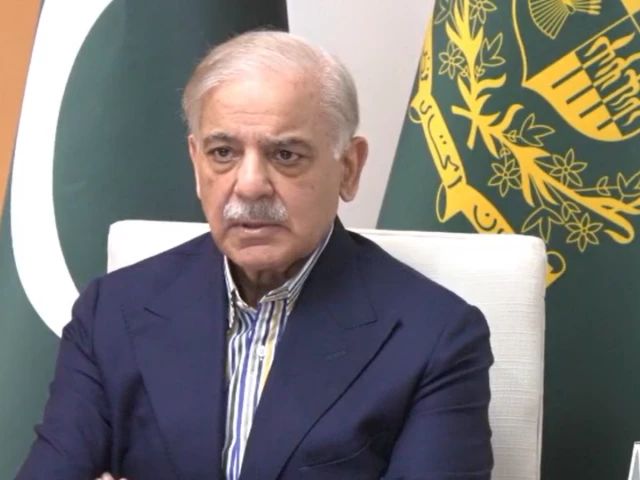
PM Shehbaz chairs a meeting on austerity measures. PHOTO: SCREENGRAB

Prime Minister Shehbaz Sharif said on Sunday that the government was taking and would continue to take all possible measures to provide relief to the public during the current challenging situation.

The prime minister chaired a meeting where officials briefed him on the progress of subsidy disbursement as well as national fuel reserves and consumption.

The premier said passenger buses would receive a monthly subsidy of Rs100,000, while mini-buses and wagons would get Rs40,000 to prevent fare increases. To curb rising food and goods prices, trucks were allocated Rs70,000, heavy cargo vehicles Rs80,000 and delivery vans Rs35,000 per month.

“These amounts are being disbursed through digital wallets to ensure transparency,” he added.

PM Shehbaz noted that the subsidy, initially scheduled for Monday, was released on Saturday following his special directives. Provincial governments had provided vehicle and fleet details to the federal government to facilitate the programme.

Read: PM orders suspension of 25% toll tax hike amid rising fuel prices

He praised the Balochistan government for depositing its allocated share of the national package and thanked Chief Minister Sarfraz Bugti.

The prime minister urged other provinces to submit their contributions promptly.  “In the past three weeks, Rs129 billion has been delivered as public relief. We cannot leave citizens alone in these challenging times,” he said.

The prime minister said that an immediate Rs80 per litre cut in the petrol levy was announced, along with a Rs6b subsidy from Pakistan Railways to maintain train fares and a rollback of the 25% quarterly toll tax increase.

Read more: PM announces Rs80 cut in petroleum levy, lowering petrol price to Rs378 per litre

Officials also reported that the country maintains adequate fuel reserves to meet domestic needs.

The meeting included briefings from the Intelligence Bureau on government austerity measures and was attended by Deputy Prime Minister and Foreign Minister Ishaq Dar, federal ministers Dr Musadik Malik, Attaullah Tarar, Ali Pervaiz Malik, Ahad Khan Cheema, Muhammad Aurangzeb, Ahsan Iqbal, Shaza Fatima Khawaja, Minister of State Bilal Azhar Kayani, special assistants Talha Burki and Tariq Bajwa, DG IB, and other senior officials.


Source link

LCCI vows to bridge industry-academia gap

0
LCCI vows to bridge industry-academia gap


Chamber says research fails to reach practical application due to lack of direct coordination


LAHORE:

Lahore Chamber of Commerce and Industry (LCCI) President Faheemur Rehman Saigol chaired a meeting of the LCCI Standing Committee on Industry-Academia Linkages to discuss practical ways to strengthen cooperation between educational institutions and the industrial sector, according to a statement issued on Saturday.

The meeting focused on promoting skill-based education and connecting research with economic development.

Addressing the meeting, Saigol said the modern global economy is based on knowledge, research and technology, while a clear gap exists in Pakistan between academic output and industrial requirements. He said LCCI would act as an effective bridge to connect universities, industry and policymakers so they can move forward in a unified direction.

He emphasised that students need practical skills along with theoretical education. Exposure to industrial environments during studies would improve employment opportunities for graduates and enhance industrial productivity. He also proposed forming sector-specific industry-academia working groups to ensure continuous collaboration.

Committee Convener Umer Saleem said a large portion of research in Pakistan does not reach practical application due to lack of direct coordination between industry and universities. He stressed that university research projects should be linked with real industrial challenges.

He further suggested providing industrial support to final-year projects, startup ideas and incubation centres so that young people can become entrepreneurs instead of only job seekers.


Source link

Pak women set for FIFA debut

0
Pak women set for FIFA debut


ISLAMABAD:

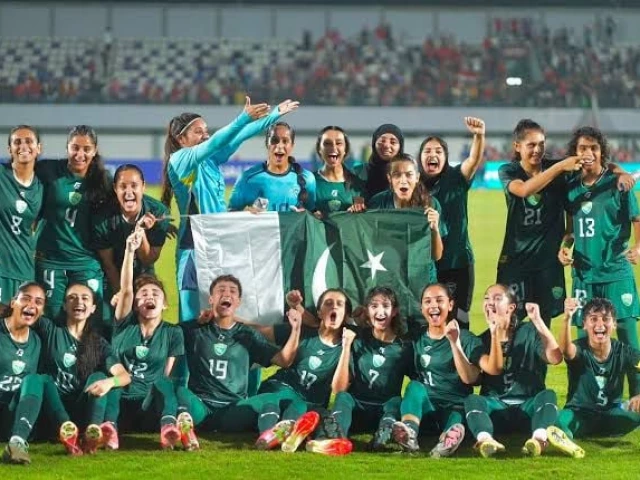
Pakistan’s women’s football team is set to embark on a historic journey as it departs today (Monday) for Côte d’Ivoire to participate in the FIFA Series 2026 — marking the country’s first-ever appearance in the prestigious international event.

This landmark inclusion follows a key meeting between Pakistan Football Federation (PFF) President Syed Mohsen Gilani and FIFA President Gianni Infantino on the sidelines of the Club World Cup last year, where the development of football in Pakistan, particularly the women’s game, was discussed in detail.

The tournament, scheduled from April 9 to April 16, will see Pakistan competing against hosts Côte d’Ivoire, Mauritania, and the Turks & Caicos Islands. Pakistan will open their campaign against the Turks & Caicos Islands on April 9, face Mauritania on April 12, and conclude their group matches against the hosts on April 16.

This historic participation reflects the steady progress of women’s football in Pakistan and signals the beginning of a new era for the national side. The FIFA Series provides a valuable platform for Pakistani players to gain international exposure and compete at a higher level.

PFF President Syed Mohsen Gilani expressed confidence in the team’s future, highlighting that his leadership aims to bring positive growth and long-term development to football in the country.

Squad:
Goalkeepers: Zeeyana Jivraj, Nisha Ashraf, Arzoo Hazara
Defenders: Isra Khan, Anaya Ahmad, Anmol Hira, Kayla Siddiqui, Karissa Jivraj, Alia Sadiq, Maria Khan, Nizalia Siddiqi
Midfielders: Suha Hirani, Rameen Fareed, Layla Banaras, Sanah Mehdi, Zehmena Malik
Forwards: Mariam Mahmood, Aqsa Mushtaq, Aiman Altaf, Nadia Khan, Maryam Zehri, Azwa Chaudhry


Source link

Russia’s nuclear dilemma & the South Asian precedent

0
Russia’s nuclear dilemma & the South Asian precedent


PUBLISHED
June 29, 2025


KARACHI:

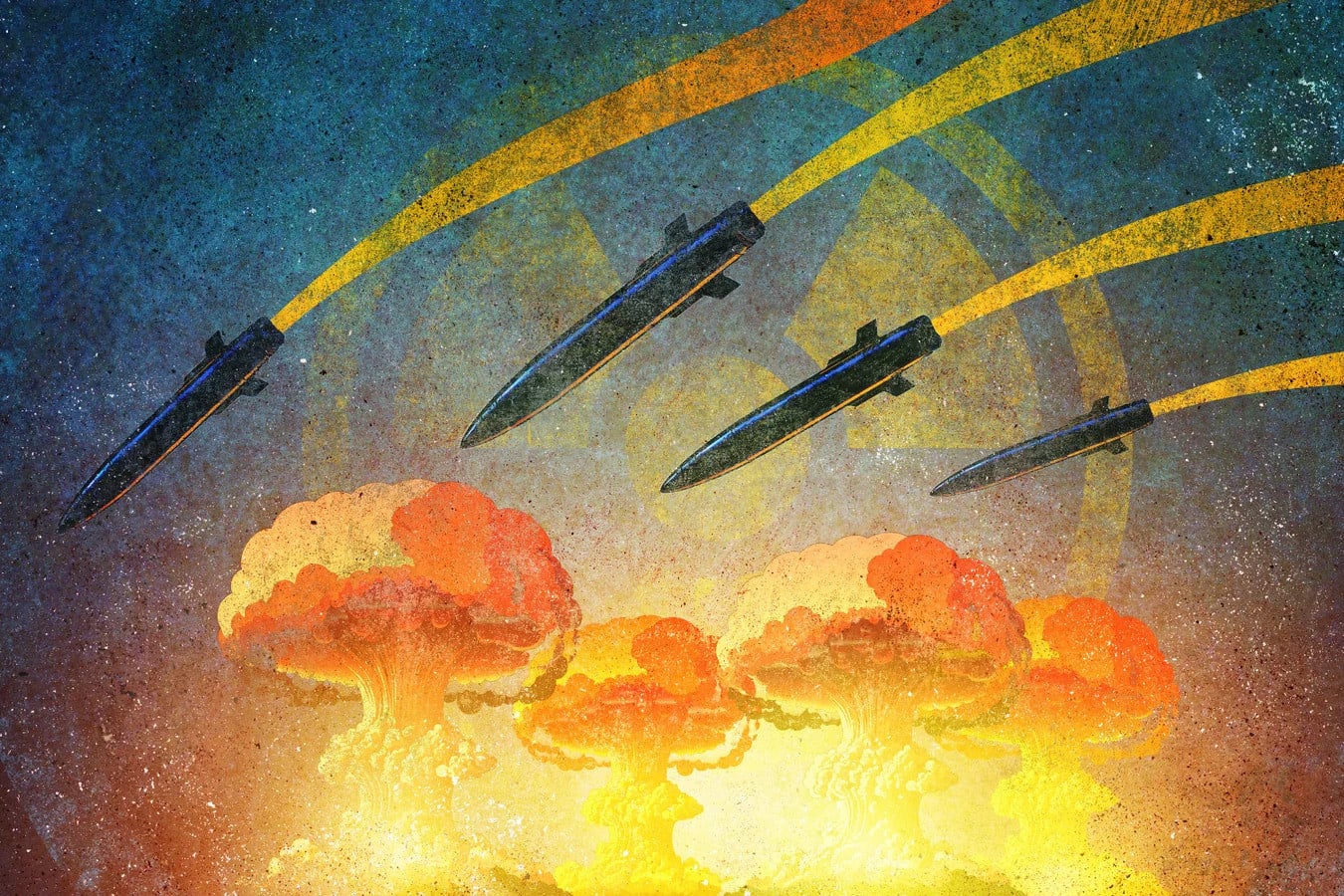
On 3 June, the Daily Mail ran a headline that many dismissed as melodramatic, but few could ignore: “Putin knows a nuclear revenge attack will force Ukraine’s surrender. These are the four ways he’d strike… and we’re powerless to stop this holocaust.”

Quoting Col Richard Kemp, a former British commander in Afghanistan, the piece imagined multiple escalation scenarios where Russia, cornered by battlefield setbacks and deep strategic losses, might resort to tactical nuclear use. The framing may have sounded like tabloid frenzy but it struck a chord with the evolving anxiety in the West: that nuclear deterrence, as traditionally conceived, is disintegrating. That tactical nuclear use, long treated as a taboo, is now entering the realm of possibility — not by miscalculation or accident, but as a calculated tool of escalation management. That the post-Hiroshima threshold is not merely at risk but already structurally breached.

Ukraine’s deep-strike campaign against the air leg of Russia’s nuclear triad marks more than a tactical success; it is a doctrinal rupture. A claimed 20 per cent degradation of Russia’s strategic long-range fleet, achieved using low-cost drones and remote-inserted assets, pierced directly into the Soviet legacy posture. This wasn’t a battlefield blow, it was strategic. It signalled that a top-tier nuclear state has failed to protect its second-strike assets from sub-strategic encroachment. The world has sleepwalked into a new nuclear reality.

Technically, Russia’s 2020 declared deterrence doctrine has been breached. If “critical military infrastructure” includes nuclear-capable bombers and their launch sites, then the threshold for retaliation was crossed. But enforcement isn’t automatic, it’s political. The absence of response so far can only be attributed to structural hesitation or political calibration.

Strategic restraint remains a possibility, if Moscow still calculates long-term positional gain rooted in the attritional phase of its war doctrine. More likely, however, is operational unreadiness. Few of Russia’s tactical nuclear platforms are both survivable and deployable under current battlefield conditions.

Doctrinal hesitation seems less convincing. Had the strikes carried a NATO signature, escalation might already have occurred. But the “Ukrainian” label, even if nominal, offers Moscow political cover to absorb, for now.

But the SBU’s operation revealed more than Ukrainian capability; it exposed the fragility of the triad’s symmetry. The air leg now appears a soft, centralised, and non-survivable underbelly. If the calculus for escalation is grounded in survivability, then Russia and other nuclear nations face a strategic imbalance. Submarines and ICBMs must now carry the entire burden of escalation credibility. That shift has consequences far beyond Ukraine. It fractures the predictability of nuclear thresholds. It dissolves the assumptions underpinning INF and New START. It redefines the sub-strategic space under a nuclear horizon.

Yet, deterrence doesn’t survive on ambiguity. It must survive impact. A tactical Russian nuclear strike — even a single sub-kiloton yield, battlefield-contained use — would not be about battlefield outcomes, but reestablishing doctrinal red lines. But the fallout would not remain in theatre. It would globalise.

For China, this would be doctrinally liberating. The American Indo-Pacific Command’s persistent theatre-posturing — especially its simulated decapitation “left-of-launch” scenarios against mainland targets — already pressures Beijing to shorten its response timeline. A Russian precedent would remove the final moral hesitations. It would rationalise tactical nuclear signalling as legitimate escalation management, not taboo. Expect China to invest in regionalised, non-strategic nuclear options designed to deny US naval or ISR dominance around Taiwan — and to validate “first countervalue, then counterforce” as a pre-emptive logic, not a reactive one.

But the deeper detonation, however, may occur in South Asia.

India’s doctrinal drift away from “No First Use” — through both ambiguity and posture — is already incentivising Chinese and Pakistani “use-it-or-lose-it” anxieties. India’s alignment with Israeli precision warfare and American surgical decapitation has fostered a belief that strategic risk can be managed through deniable, calibrated strikes. But unlike Tel Aviv or Washington, New Delhi operates within a regional theatre defined by compressed warning timelines, low tolerance for ambiguity, and adversaries conditioned for reflex. This borrowed strategic grammar, when applied to a nuclear dyad like Pakistan, risks translating Western hubris into subcontinental catastrophe.

If Russia demonstrates that tactical nuclear use can be decoupled from strategic Armageddon, then Pakistan will finally possess a template to formalise the battlefield nuclear doctrine it has long reserved but never operationalised. The full logic of NASR — once a deterrent symbol, now a potential tripwire — will become active: no more a signal but a standing battlefield option. The danger is that Pakistan’s ROEs will evolve past Riposte and into deterrence-by-interdiction. Any visible IBG buildup near the border, or persistent scavenging for sub-strategic manoeuvre space under the nuclear ceiling, may trigger a counter-concentration strike before hostilities formally begin.

Unlike Russia or China, Pakistan doesn’t operate behind oceans or with redundancy. It operates with existential immediacy. It cannot afford to absorb. Its threshold is not calibrated in megatons, but in minutes.

The United States, meanwhile, will face a strategic reversal. For decades, it managed nuclear escalation through centralised alliance structures and deterrence hierarchies. But a likely Russian breach, especially if absorbed by the West without proportional response, would flatten that structure. It would reveal that nuclear use can be absorbed, normalised, and locally managed. That is not deterrence resilience; it is signalling failure.

The Cold War built nuclear norms through symmetry, transparency, and globalised fear. The new reality is asymmetrical, obscured, and psychologically decoupled. Escalation thresholds are being reinterpreted in regional dialects. Deterrence is being broken not in theory, but in precedent.

For the first time in history, if a nuclear strike occurs outside superpower initiation, in a contested theatre, by a major power struggling to retain parity, then Washington’s entire nuclear architecture — based on managed escalation, centralised decision nodes, and predictability — would fracture. The gatekeeping function of American deterrence would be voided. Allies would begin to hedge. Adversaries would begin to test.

But if Russia absorbs these Ukrainian sabotage and continues the war conventionally, the implications may be deeper still.

That would confirm a precedent even more subversive than retaliation: that a nuclear power can suffer strategic degradation without escalation. That the air leg of its deterrent can be degraded, mocked, and exploited without cost. That the bluff can be called — and nothing happens.

That would rewrite the global deterrence script in real time.

In such a scenario, for China, the lesson would not be symmetrical. It would be inverse. The Taiwan scenario would evolve past porcupine defences and passive deterrence. Taipei’s planners may assume they can strike Chinese missile bases or early-warning nodes in a prolonged attritional campaign without triggering a nuclear response. Whether true or not, that assumption itself would be destabilising. If a top-tier nuclear state can’t protect its second-strike assets, then deterrence must be made more reflexive, more automated, more decoupled from politics.

China’s command-and-control systems — already shifting toward dual-use ambiguity — may become hair-trigger by necessity. Meanwhile, the PLA’s own deterrence posture will face renewed pressure. If Russia cannot secure its bombers, can China secure its rail-mobile launchers? Expect a doctrinal pivot: from posture-by-denial to posture-by-pre-emption. Thresholds will tighten, not widen. Response timelines will compress. And the pressure to demonstrate readiness, before a shot is fired, will grow exponentially.

For Pakistan, Russia’s restraint would be a warning, not reassurance. It would reveal the limits of deterrence signalling in the face of deniable strikes. If restraint buys degradation, then restraint must be shortened. Deterrence posture would move from “second-strike assuredness” to “first-strike necessity.” Tactical nuclear use may become essential to restore credibility.

For the United States, Russia’s non-response would appear as strategic victory — but only briefly. It would signal that nuclear impunity is now negotiable. It would not matter that NATO ISR assisted the Ukrainian operation. That detail would be strategically irrelevant. What would matter will be this: Ukraine has demonstrated that nuclear deterrence is no longer the exclusive domain of superpowers. Escalatory logic is being localised. Sub-strategic space is being democratised. That is the real rupture. The West no longer gatekeeps the escalatory script — it only reacts to it.

So, the choice is stark.

Strike and trigger the world’s first precedent for tactical nuclear signalling in a modern battlefield, with ripple effects across every nuclear flashpoint from Kaliningrad to Kashmir. Or absorb and allow the world to infer that nuclear doctrine can be breached without consequence. That deterrence is a decaying art, not a governing science.

This choice is starker still because India and Pakistan are sleepwalking through a transformation in nuclear logic without corresponding public debate, institutional preparedness, or political mechanisms. Parliamentary oversight is absent; military wargaming remains siloed; and civilian elites continue to treat doctrine as a legacy relic, not a living architecture.

As thresholds dissolve and deterrence becomes theatre-specific, the region’s opacity is no longer stabilising — it is actively dangerous. Without transparent review of red lines, retaliation postures, or escalation ladders, South Asia may become the world’s first nuclear region where deterrence fails not due to intention — but inertia.

A few days ago, US Secretary of State Marco Rubio remarked: “If it weren’t for the US-Russia ties in 1961, the world could have collapsed during the Cuban Missile Crisis.” The world learnt many lessons from those 13 days. Doctrines were developed, safeguards installed, hotlines opened.

India seems to have learned nothing from that even after 63 years. It, perhaps, cannot.

This is the country that “accidentally” fired a nuclear-capable hypersonic missile into Pakistan in March 2022. A Russian-engineered P-800 Oniks, rebranded as BrahMos, went off-course and landed deep inside a nuclear-armed neighbour. No heads rolled. No systems reviewed. Just a sorry scapegoating at IAF. What other nuclear power in the world could have done this without consequences?

In 2010, a Delhi university lab disposed of radioactive cobalt-60 into a scrap market. One person died. Several were injured. In 2017, a GPS malfunction sent an Agni-II nuclear-capable missile near a populated area. In 2014, a valve failure at Kakrapar threatened radiation leaks. In 1995, a coolant pipe burst at Rajasthan’s reactor. In 2002, fuel rod mishandling at Kalpakkam spiked radiation dangerously close to local communities.

Between 1994 and 2021, there have been 18 reported cases of nuclear material theft or loss in India. Uranium on the black market. Californium in private hands. The Bhopal disaster remains the world’s worst industrial catastrophe — and still, no full-scope IAEA oversight. No accountability. Not even regulatory autonomy. India’s own Comptroller and Auditor General has called out the AERB’s lack of independence.

Indian leaders routinely issue conventional threats to nuclear neighbours. It’s a uniquely juvenile understanding of deterrence — only possible in Delhi. With immature, nuclear-sabre-rattling leadership threatening a region of 2 billion people, India’s belligerence is no longer an internal risk. It is a regional liability — and a global one.

This is the country that the West chose to proliferate nuclear technology with. Through BECA and other agreements, the US has effectively endorsed recklessness. This is not just hypocrisy. It is strategic malpractice.

One lesson of the Cuban Missile Crisis was the visible posturing of No First Use policies to reduce escalation risks. Instead, India has embarked on a visible First Use threat, with aggressive and strategic attack platforms. Crisis stability theory, shaped by the 1962 near-catastrophe, warns that such posturing creates a preemptive incentive for Pakistan or China, heightening the risk of miscalculation in a tense region.

Pakistan and China, by contrast, continue to be recognised for nuclear responsibility. IAEA and US officials have acknowledged their command systems as stable and disciplined. No major nuclear accidents or incidents have been publicly reported at Pakistani facilities. Pakistan maintains its nuclear assets under tight security with a robust command and control structure through the Strategic Plans Division (SPD) and the National Command Authority (NCA). Pakistan has improved its regulatory framework, including joining several international treaties like the Convention on Nuclear Safety.

The world was lucky in 1962. It may not be again.

This is not a game of nerves. These are doctrines in freefall. And to the empire-builders in Taipei, Tel Aviv, and New Delhi — and their borrowed faith in absolute escalatory control — this may be a final warning: Are you prepared to be the first ideologues in history who confuse tactical advantage with thermonuclear immunity — and stake your grand civilisational myths on the hope that the other side blinks first?


Abdul Munim is a freelance contributor and electrical engineer. He posts on X using the handle @Munimusing and can be reached via email at munimusing@proton.me

All facts and information are the sole responsibility of the author


Source link

How obesity is driving Pakistan’s diabetes epidemic

0
How obesity is driving Pakistan’s diabetes epidemic


Around 34m adults in country lived with diabetes as of 2024 yet insufficient lifestyle interventions persist

Pakistan’s diabetes crisis is now among the worst in the world, but health experts warn that only half the battle is being fought. Obesity, a critical driver of Type 2 diabetes, remains largely overlooked for the main reason that people in Pakistan see it as a lifestyle failure, not a disease.

The International Diabetes Federation (IDF) estimates that more than 34 million adults in the country live with diabetes as of 2024, giving Pakistan one of the highest diabetes prevalences in the world and the fourth highest number of adults with the disease.

Read: How a mother’s stress can decide when her baby arrives

Speaking at an event for World Diabetes Day, Vice Chancellor of Health Services Academy Islamabad, Dr Shahzad Ali Khan, said, “Pakistan has the lowest glycemic [diabetes] control among the countries of the world. 1/4 people don’t even know about diabetes, and even though the rest know of diabetes, they have no knowledge of how to manage it.”

Recent analyses describe Pakistan as facing a “double burden” of non-communicable diseases (NCDs), with diabetes, cardiovascular disease and obesity all rising. A national policy brief led by Aga Khan University and partners warns that NCDs now account for 58% of annual deaths, and that mortality from diabetes and related conditions is climbing.

Professor of Diabetes and Endocrinology at the University of Birmingham, Dr Waseem Hanif, is reported to have said, “In Pakistan, over 100 million people are obese… Obesity is a disease, and its main symptom is hunger.”

He framed obesity not as a moral failing but as “a normal response to an abnormal environment,” one in which highly processed food, inactivity and urban stress are built into daily life.

Obesity is a disease, not a lifestyle failure

“Obesity is not a disease, rather a complex culmination of lifestyle failures,” said former health minister Dr Zafar Mirza.  However, global medical thinking has shifted decisively toward recognising obesity as a chronic, relapsing disease. “We need to define obesity as a chronic metabolic disease with behavioural, environmental and genetic drivers,” added Dr Khan. 

Novo Nordisk Pakistan, a multinational pharmaceutical company working in the diabetes and obesity space in Pakistan, states that “obesity is a complex chronic disease, and losing weight is not just a question of eating less and moving more”. They add it is driven by genetics, physiology, environment and brain biology.

They further say, “Understanding these factors is critical, because obesity is associated with other diseases, including type 2 diabetes, heart disease and certain  types of cancer”.

But with the right care and support of healthcare professionals, people with obesity can make a difference to their health.

Read more: Brain and Mind: Experts push for multi-layered mental health solutions, not just tertiary care

The NCD policy analysis found that “strong political action to improve the dietary environment and address the growing burden of NCDs… is largely lacking”, with no major “best buy” interventions fully implemented. “We have a double burden of malnutrition in Pakistan, but we are dealing with deficiencies only. We are not dealing with obesity, hypertension, etc., because of a lack of attention and finances.”

Underdiagnosed diabetes, undertreated obesity

IDF figures and analyses done by independents such as Health Policy Watch — a platform reporting on global health —suggest tens of millions of Pakistanis have diabetes or pre-diabetes, with many unaware of their condition until complications emerge.

Obesity is also rarely treated systematically in primary care. According to research done by Aga Khan University, risk factors show high levels of overweight and obesity in both urban and rural populations, yet routine screening and structured weight management remain sparse.

The result is a vicious circle: people live for years with untreated obesity, then present with advanced type 2 diabetes, cardiovascular disease or kidney failure at far higher cost to both families and the state.

Combating obesity

When asked about what to do to combat obesity, Dr Mirza said that “instead of treating obesity, we have to deal with lifestyle behaviours with lifestyle interventions.” Dr Shahzad echoed this, “Combating obesity reduces type 2 diabetes. Even modest weight loss (up to 10%) can dramatically improve insulin sensitivity.”

“Lifestyle interventions like the Diabetes Prevention Program reduce diabetes onset by 58%, outperforming early medications…Bariatric surgery has reversed type-2 diabetes in a large percentage of patients… proving how tightly gut hormones and adiposity [fat levels] are intertwined,” he added.

Additionally, GLP-1–based therapies (drugs that mimic the body’s natural hormones, which regulate things like hunger and blood sugar levels) have redefined how clinicians manage obesity and diabetes risk. These drugs mimic gut hormones that regulate appetite, insulin and digestion, helping patients both lower blood sugar and lose significant weight.

In Pakistan, this science is beginning to translate into practice. A study from Aga Khan University reported that semaglutide, a drug used to treat obesity and type 2 diabetes, was effective in reducing body weight in Pakistani patients with Type 2 diabetes, with “measurable tolerability and patient satisfaction.”


Source link

Joker is a masterpiece in (almost) every sense

0
Joker is a masterpiece in (almost) every sense


Joker is the uninhibited madness of a fractured, two-faced world order, manifesting itself as a weeping clown.

The Joker is, by design, a villain beyond comprehension; more ‘it’ than ‘he’. PHOTO: IMDB

You would think that Joker has no earthly reason to exist as anything other than a gimmick aimed at making profits off a highly marketable property. However, Todd Phillips and Joaquin Phoenix have elevated it into a politically conscious art piece that defies all expectations.

Joker’s past

The most important thing to understand about the Joker, is that he isn’t meant to be understood. He is, by design, a villain beyond comprehension. You are not supposed to put yourself in his big clown shoes. Joker, more ‘it’ than ‘he’, is an avatar of chaotic evil; a human-ish represenation of a gas cylinder exploding unexpectedly in a crowded room. You cannot make quite make sense of why it happened or who precisely is to blame for it. All you can do is try and cope with the loss.

Until Todd Philips’ latest rendition, Joker never really had a definitive origin story. His story has changed constantly over the last half a century or so; an accidental fall into a vat of chemicals at one point, and an abusive parent at the other. In Christopher Nolan’s The Dark Knight – featuring the award-winning portral of Joker by the late Heath Ledger – this ambiguity is represented by Joker telling different stories of how he got his facial scars.

It’s unlikely that Joker was ever conceived as a solo character since he was written as the absolute inverse of the Batman. Joker is wild, colourful, and unpredictable, with a need for constant attention, relative to Batman’s bleak outlook and secretive, brooding personality. This powerful antagonistic relationship is smartly parodied in The Lego Batman Movie.

In the age of dark and gritty reboots of old comic book characters, Todd Phillips has reclaimed Joker from the Comics Code Authority and its active attempts to sanitise this character. Now more sinister than comical, Phoenix portrays Joker as a manifestation of the contradictions we all embody.


Joaquin Phoenix as the definitive Joker

The film opens with Phoenix as Arthur, putting on clown makeup while a solitary tear rolls down his painted cheek. Eerily, he lifts the corners of his mouth with his fingers to feign a grin, though the trauma embedded in his eyes is painfully noticeable. The first scene is a user manual of sorts for the audience: expect the visuals to be inconsonant with the emotional tone of the film at all times. Phillips reinforces this by adding a neurological disorder to Arthur, which results in uncontrollable bouts of laughter, often at highly inappropriate times.

Phoenix’s performance for a character as complex as Joker is crucial to the story. You can get an actor to cry on cue. You can tell an actor to laugh maniacally. Rarely can you get an actor to do both at the same time, and convincingly enough so as to not lose the emotional weight of either. Phoenix’s performance is reminiscent of the ‘Hide the pain Harold’ meme, portraying an elderly man whose eyes signal sadness while his lips indicate mirth. His ability to convey conflicting emotions is key to the film’s theme.

The killing joke is ‘capitalism’


While reviewers will inevitably draw comparisons to previous iterations of the Joker, it’s hard not to compare him to an unlikely Disney character remake. Like Maleficent, Joker sets out to explore and ultimately humanise a popular villain. Maleficent, despite Angelina Jolie’s stellar performance, failed as a remake because it ended up altering far too many elements from the original story; thus failing to transform Maleficent from a evil sorceress into an indignant protagonist.

Joker, miraculously, changes very few plot details from the previous versions. The only thing that changes significantly is persective. For the first time, we are no longer looking down at Gotham city from the eyes of an angsty billionaire orphan perched on top of a tall building. We’re now looking up from gutters at the smug billionaires and their empty promises, through the eyes of an abused, mentally unwell worker.

Joker is still an agent of chaos, while Bruce is an innocent boy coping with the loss of his parents. However, as the film examines each character by grounding them in a socio-economic context, it begins to take a stranger yet far more sensible shape. Joker didn’t wake up one morning cackling and wailing at the same time. He was created in the grim crucible of capitalism – the ultimate circus of contradictions. We are free citizens, but also wage slaves forced to perform humiliating chores as rentable clowns. We feel alone and miserable on the inside while wearing deceitful smiles on the outside. We are told that there isn’t enough for all of us as our healthcare and social security slips through our fingers, yet somehow there’s always enough to satisfy the endless whims of the upper class. Joker is the uninhibited madness of a fractured, two-faced world order, manifesting itself as a weeping clown.

The cinematic method to the artistic madness

One of Joker’s many internal contradictions is that he is simultaneously unpredictable yet eerily methodical. Ledger’s Joker famously asks,

“Do I look like a guy with a plan?”

But his elaborate schemes and strategies are not products of a disorganised schizophrenic mind.

The story structure is never tempted to join the dance of its unhinged protagonist. Unlike many other films following the stories of mentally unwell characters, like Sarmad Khoosat’s Manto, there are no bizarre dream sequences that take the audience into the mind of a ‘mad’ character. The idea behind the screenplay is that the severity of a psycho-social disturbance is most noticeable when contrasted against other elements that sit neatly in place. Disorder is viewed best from a place of order.

Joker relies on simple chronological storytelling. There are no dizzying time jumps, no parallel storylines, and no other structural gimmicks to complicate the presentation of the already complex, multi-layered characters on display.

A masterpiece in (almost) every sense

Minor plot contrivances appear and disappear so fast that the audience barely has enough time to register them in Phoenix’s constantly entertaining presence. Some small elements, like the single mother living next door to Arthur, have been seemingly forced into the story for no purpose other than to traumatise Arthur and facilitate his transformation into the eponymous character.

These, however, are peccadilloes that only the most discerning writers and nitpicky reviewers would come forth to denounce. The rest of us stand in awe of Phillip’s cinematic vision, and Phoenix’s unmissable performance as Joker.

All photos: IMDb


Source link

China overtakes US in global approval amid Trump’s controversial war in Iran

0
China overtakes US in global approval amid Trump’s controversial war in Iran


Gallup poll shows Beijing edging ahead while Ipsos survey finds Iran conflict dragging Trump’s ratings to 36%

China has surpassed the United States in global leadership approval ratings, marking a significant shift in international perceptions at a time when US President Donald Trump is grappling with his lowest approval ratings at home amid economic strain and a controversial conflict with Iran.

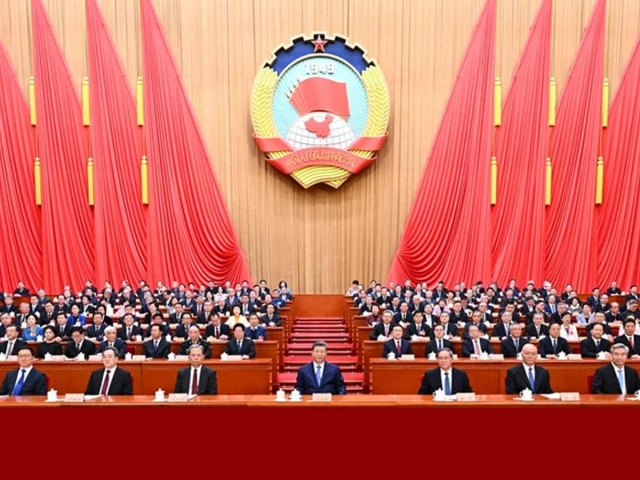
A new survey by Gallup shows that China’s global approval rating rose to 36% in 2025, overtaking the US, which fell to 31%. The findings represent the first time in nearly two decades that Beijing has edged ahead of Washington in worldwide leadership perception — and the widest gap in China’s favour in recent years.

The shift, however, appears to be driven less by a surge in enthusiasm for China and more by a steady erosion of confidence in US leadership. According to the poll, global approval of the US dropped sharply from 39% in 2024, while disapproval climbed to a record 48%, the highest level ever recorded by Gallup.

China’s trajectory, by contrast, has been comparatively stable. Its approval rating rose modestly from 32% to 36%, while disapproval held at around 37%. Analysts said it indicates that Beijing is benefiting from Washington’s declining image rather than experiencing a dramatic transformation in its own global appeal.

The results reflect a broader geopolitical moment in which many countries, including traditional US allies, are reassessing their alignment in an increasingly fragmented and multipolar world. Perceptions of American leadership have been dented by a combination of foreign policy decisions, economic uncertainty and political polarisation at home.

Commenting on the development, former senator Mushahid Hussain Sayed said, “Global public opinion has now shifted decisively against USA & overwhelmingly in favour of China, with Pakistan emerging as among five top countries most friendly towards the People’s Republic of China! New World Order spearheaded by China is now backed by the World’s majority!”

The downturn in global confidence coincides with growing domestic discontent with President Trump. A recent survey conducted by Reuters in partnership with Ipsos found that Trump’s approval rating has fallen to 36%, the lowest level of his current term.

The poll highlights widespread unease over the administration’s handling of the economy, particularly as fuel prices surge in the wake of escalating tensions with Iran. The conflict — which has raised fears of broader regional instability — has also triggered a backlash among American voters, with a majority expressing concern over both the human and economic costs of continued military engagement.

Public dissatisfaction is especially pronounced on cost-of-living issues. Only about a quarter of respondents in the Reuters/Ipsos poll said they approve of Trump’s management of inflation and household expenses, underscoring the political risks posed by persistent economic pressures.

The foreign policy dimension has further complicated matters for the White House. The confrontation with Iran has not only strained US resources but also drawn criticism from international observers, contributing to the perception of an increasingly unilateral and unpredictable American approach to global affairs.

For China, the changing perception landscape offers an opportunity to position itself as a more stable and reliable partner on the world stage. Beijing has sought to expand its diplomatic and economic footprint through initiatives such as infrastructure investment, trade partnerships, and multilateral engagement, particularly in the Global South.

However, experts caution against overstating China’s gains. Despite overtaking the US, China’s 36% approval rating still reflects a deeply divided global opinion. In many regions, concerns persist over issues such as transparency, human rights, and strategic influence, limiting Beijing’s ability to translate improved perceptions into universal support.

What is clear, though, is that the balance of global opinion is shifting. The US, long seen as the dominant global leader, is facing a period of reputational decline at a time when its domestic politics are increasingly polarised and its international strategies are under scrutiny.

The convergence of declining global approval and weakening domestic support presents a dual challenge for President Trump. Historically, US global leadership has been closely tied to perceptions of stability and economic strength at home. As those pillars come under pressure, America’s ability to project influence abroad may also be affected.

At the same time, the narrowing gap between the world’s two largest powers underscores the emergence of a more contested international order. Rather than a clear transfer of leadership from Washington to Beijing, the data points to a more complex and fragmented landscape in which no single country commands overwhelming global confidence.

For policymakers and analysts, the implications are significant. Shifts in global public opinion can influence diplomatic alignments, trade relationships, and the willingness of countries to cooperate on pressing challenges such as climate change, security, and economic development.

As things stand, neither the US nor China enjoys majority global approval, highlighting a broader crisis of confidence in global leadership itself. Yet the fact that China has edged ahead — even marginally — signals a symbolic turning point.

Whether this trend endures will depend on how both powers navigate the intersecting challenges of domestic governance and international engagement. For now, the latest data offers a snapshot of a world in transition — one in which traditional assumptions about leadership and influence are being steadily rewritten.


Source link