






RAWALPINDI:
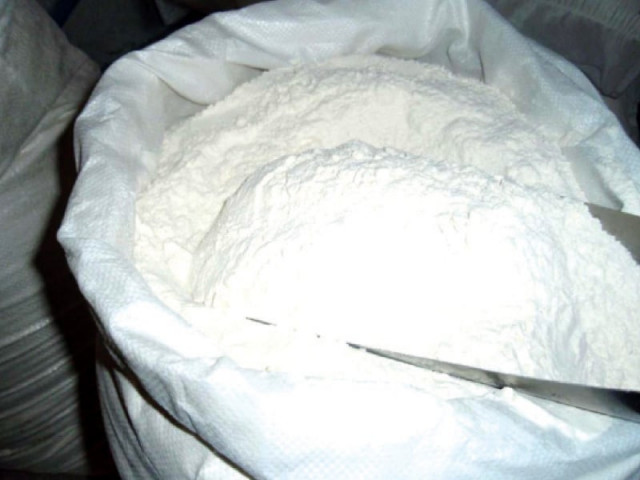
The people of Punjab may “face” flour shortages after Pakistan Flour Mills Association (PFMA) on Sunday announced that flour mills across Punjab would go on strike and suspend operations in protest against, what they called, anti-industry policies.
The Association strongly condemned the suspension of wheat and flour quota permits, alleged heavy bribery by the District Food Controller (DFC), and the sealing of flour mills and imposition of fines of up to Rs5 million over minor issues,
It also announced plans to file a reference with the Anti-Corruption Establishment (ACE)) against the DFC over the alleged forced collection of Rs150,000 for issuing each permit. It criticised the appointment of a Grade-15 employee as DFC and demanded his removal and the appointment of a senior DFC on merit.
PFMA Chairman Riazullah Khan said at an association meeting that the millers were not political people and did not want to benefit from political instability.
“We consider the PML-N government a government of traders, but under this very government, earning a lawful livelihood has been made difficult, if not impossible, for us,” he said.
He alleged that the junior-most DFC, Azhar Baloch, had opened a “gateway to corruption and bribery”. He said Chief Minister Maryam Nawaz had introduced an online portal to facilitate flour mills, allowing mills across Punjab to generate permits according to their requirements for the transportation of wheat and flour.
However, he said, this authority had been handed over to the DFC in Rawalpindi Division, who allegedly charged Rs100,000 to Rs150,000 for each permit.
Khan said bran was used as animal feed and that an agreement had been reached with the Director General Food under which flour mills would only provide lists of trucks for its transportation. However, he alleged that the DFC had also discontinued this arrangement and was allegedly demanding Rs100,000 to Rs150,000 for the lists.
He said the transportation of wheat and flour to other districts and provinces had also been stopped and quotas abolished, making wheat and flour more expensive and transportation increasingly difficult and costly.