SBP rejects ‘misleading headline’ linking Raast to money laundering in wake of FATF report
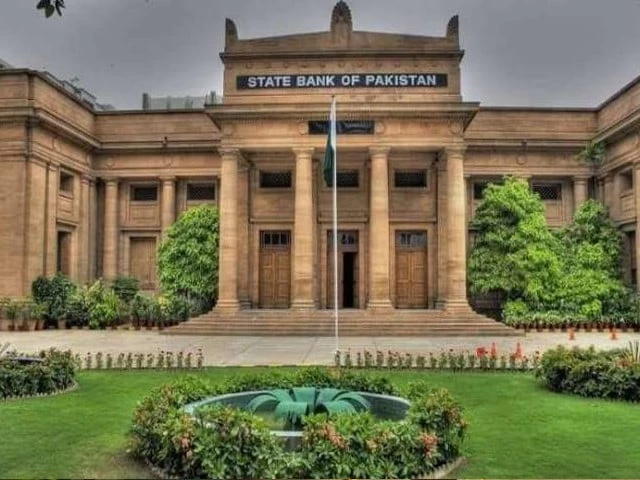
The State Bank of Pakistan (SBP) on Friday rejected what it said was a “misleading headline” suggesting that the Financial Action Task Force (FATF) had identified Raast, Pakistan’s instant payment system, as a channel for money laundering.
In a statement issued on X in response to what it described as a “misleading headline circulating on social media”, the central bank said a FATF report issued a day ago neither identified Raast as a money laundering mechanism nor raised any specific concerns about the integrity of its payment infrastructure.
The SBP said the FATF report discussed the potential misuse of formal banking and payment channels by underground banking and hawala networks across different countries and jurisdictions.
#SBP Clarification on Misleading Media Reports About Raast.
The State Bank of Pakistan (SBP) has taken notice of a misleading headline on a social media platform suggesting that the Financial Action Task Force (FATF) has identified Raast as a channel for money laundering.
The… pic.twitter.com/R4pBbyLXdq
— SBP (@StateBank_Pak) September 4, 2026
“Raast is mentioned only as the legitimate domestic payment channel used for domestic payments and transfers,” the central bank said.
Read: IT exports soar, AI triggers job cuts
The SBP said any portrayal suggesting that the FATF had raised concerns about Raast’s role in money laundering misrepresented the context and findings of the report.
The central bank reiterated its commitment to maintaining the integrity of Pakistan’s payment systems and said it continued to monitor and strengthen safeguards in line with international standards.
A day earlier, the FATF published a report, ‘Investigating Professional Money Laundering, Underground Banking, and the Use of Hawala and Other Similar Service Providers’, which highlighted the growing role of underground banking, hawala and other similar service providers (HOSSPs) in facilitating illicit finance.
The report was worked on by members from Pakistan as well.
In a case on the hawala network using social media and mobile money transfers, it said Oman’s central bank had received intelligence through its whistleblower channel on individuals suspected of operating an unlicensed cross-border remittance business to Pakistan.
It said the reporting entity had detected the activity after observing a sudden reduction in customer remittances through specific corridors. It conducted further enquiries, including customer engagement, joining
The report added that follow-up enquiries, including social media scanning and off-site analysis, by the central bank identified a WhatsApp group named “XX Money Exchange”, operated by foreign nationals to advertise foreign exchange and remittance services to expatriate communities in Oman.
“The scheme exploited lower-cost remittance channels in destination countries, including fee free transfers to Pakistan through channels such as Raast, as well as exchange rate differentials offered by some digital wallet or payment providers,” the report noted regarding Raast.
According to the report, the money launderers offered an exchange rate below the market rate to foreign nationals in the host country, Oman, to transfer the amount they wished to send to their home country.
It said the hawaldars then acquired the amount in Omani currency, in cash or mobile-linked transfers, from the remitters. Once the evidence was shared with their money laundering counterpart in the home country (in this case, Pakistan), the amount was transferred locally through Raast and other channels to the recipient nominated by the remitter.