
KARACHI:
Export-oriented sectors – including value-added textiles, knitwear, ready-made garments, leather garments and towels – have expressed serious concern over an extraordinary surge in sea freight charges and the unavailability of shipping space for consignments following a nine-day goods transport strike, estimating losses worth Rs450 billion during the strike period.
Chief Coordinator of export associations Muhammad Javed Bilwani, Pakistan Hosiery Manufacturers and Exporters Association (PHMA) Central Chairman Muhammad Babar Khan, Towel Manufacturers Association (TMA) leader Athar Bari and others stated that prolonged disruption brought the movement of export cargo to an almost complete halt.
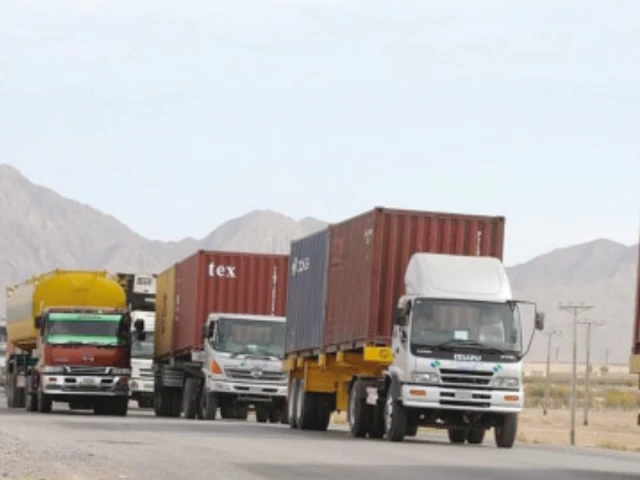
The strike, which began on August 8, 2026, severely disrupted the transportation of export containers from factories and warehouses to Karachi Port and Port Qasim. The government must not remain a silent spectator, they said, as exporters have suffered heavy losses and the country has been deprived of valuable foreign exchange.
Due to the disruption in cargo movement, containers failed to reach scheduled vessels, resulting in lost shipping space. Exporters are now being forced to compete for limited vessel capacity at significantly higher freight rates. Many containers remained stuck at factories and warehouses during the strike and could not reach ports within terminal cut-off times, leading to missed bookings, cancellations, rollovers, and detention, demurrage and storage charges.
According to reported estimates, the strike caused daily economic losses of around Rs50 billion, bringing total losses over nine days to approximately Rs450 billion.
Following the disruption, shipping lines have allegedly reduced vessel space allocated for Pakistani export cargo and diverted capacity to other markets, resulting in an unprecedented increase in freight rates.
Based on freight data received by exporters, sea freight to the US West Coast has surged from around $1,800 to $8,500 per container – an increase of approximately 372%. Freight to the US East Coast has risen from $1,800 to $8,000 per container, marking an increase of about 344%. Additionally, during August 14 and 15, exporters had to bear further increases of up to $1,000 per container due to General Rate Increases (GRIs), surcharges and other carrier-imposed adjustments.
Bilwani said such increases are entirely unsustainable for Pakistani exporters. They cannot absorb freight hikes exceeding 300%, as this would drastically erode profit margins and eliminate competitiveness in global markets. He added that a substantial amount of foreign exchange was transferred abroad in the form of additional freight charges during those two days.
He noted that approximately 65% of Pakistan’s export shipments are conducted on an FOB basis, while around 35% are under C&F/CFR and other freight-inclusive terms – meaning international freight costs directly fall on Pakistani exporters. However, even FOB shipments are severely impacted due to space shortages, shipment delays and the risk of losing international buyers.
Export targets cannot be achieved through policy announcements and incentives alone, they emphasised. The government must also ensure a reliable, uninterrupted and internationally competitive export logistics system.

