Oil reverses as Iranian comments interpreted as chance for fresh negotiations

Iran’s foreign ministry spokesperson says that the country has received new proposals from mediators
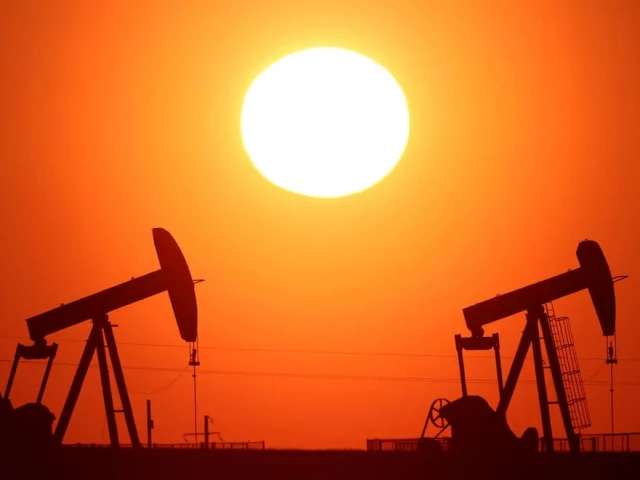
The sun sets behind oil pumps outside Vaudoy-en-Brie, near Paris, France, March 18, 2026—REUTERS
Oil prices reversed early gains on Monday after Iran’s foreign ministry said negotiations with the US could be pursued in line with national interests.
Benchmark prices had earlier touched more than one-month highs amid concerns over disruptions to shipments through the Strait of Hormuz.
Brent crude futures were down 16 cents, or 0.18%, at $87.94 a barrel by 0922 GMT after hitting $91.42 for their highest since June 11.
US West Texas Intermediate crude was down 68 cents, or 0.82%, at $81.81 after touching its loftiest level since June 12 at $85.39.
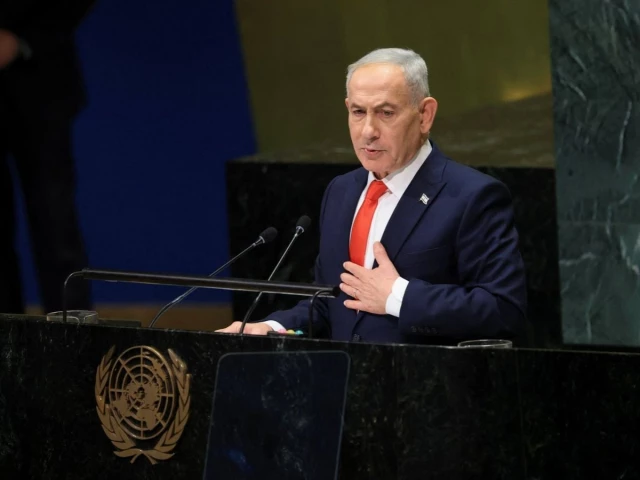
Intermediaries have shared messages with Tehran in recent days, Iran’s foreign ministry spokesperson Esmaeil Baghaei said on Monday, without specifying what the proposals entailed.
Iranian Foreign Ministry spokesperson Esmaeil Baghaei says diplomatic exchanges are ongoing through mediators despite the ongoing US-Israel war on the country.
Al Jazeera’s Resul Serdar reports. pic.twitter.com/T7Pi79dTv8
— Al Jazeera English (@AJEnglish) July 20, 2026
“Comments from Iran’s foreign ministry spokesperson saying that the country has received new proposals from mediators have seen oil prices giving up all earlier gains, though flows through the Strait of Hormuz remain depressed,” said UBS analyst Giovanni Staunovo.
Drop in tanker traffic from the Gulf
Prices had earlier extended last week’s hefty gains, driven by recent hostilities between the US and Iran that have restricted oil shipments through the Strait of Hormuz.
The Middle East conflict escalated over the weekend, with the US conducting a ninth straight night of attacks against Iran while US allies Kuwait and Bahrain reported more Iranian strikes.
The Islamic Revolutionary Guard Corps said on Monday that two oil tankers had been immobilised after explosions as they attempted to transit what it described as an unsafe southern route through the Strait of Hormuz, alleging they had been encouraged by the US military to use that passage.
Reuters was unable to obtain immediate verification of events.
“The supply narrative has become more bearish. The anticipated recovery in shipping has effectively stalled, with Strait of Hormuz transit volumes falling to single digits,” ANZ analysts said in a note.
Four vessels made the transit through the Strait of Hormuz on Sunday, down from eight the previous day, LSEG data showed. At least three oil product tankers and one very large crude carrier have entered the strait since Friday to load oil, the data showed.
A vessel was on fire northwest of Oman’s Kumzar, the United Kingdom Maritime Trade Operations centre said early on Monday.
Gulf countries boosted crude oil and condensate exports in the first half of July to their highest since before the Iran war began in late February, shipping data showed, though flows through the Strait of Hormuz are now slowing as fighting escalates.
The collapse of a US-Iran truce has reignited concerns over energy supplies moving through the strait. Before the Iran war, about 20% of the global oil supplies flowed through the waterway. Iran has also pressed the Houthis to close the Red Sea route if the US attacks Iranian power infrastructure.